Nuclear Peril Intensifies as Arms Control Collapses
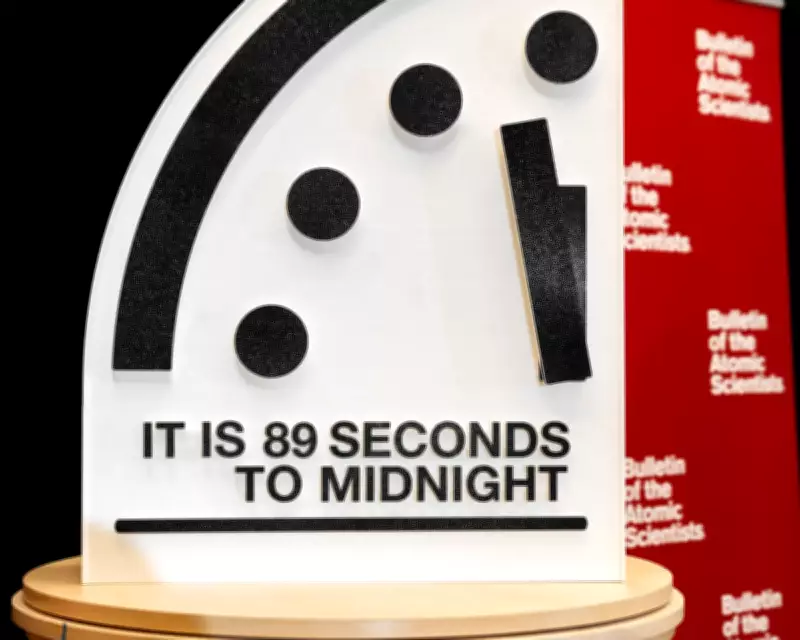
The spectre of nuclear conflict looms larger than it has in decades, with the Bulletin of Atomic Scientists recently advancing its Doomsday Clock to a level of risk not seen since the 1980s. This alarming shift underscores a world where political tensions are surging and nuclear arsenals are proliferating beyond traditional superpowers to nations like Israel, India, Pakistan, and North Korea. China is also rapidly expanding its nuclear capabilities, adding to the global instability.
End of New Start Treaty Fuels Arms Race Fears
With the expiration of the New Start treaty on 5 February, the last remaining arms control agreement between the United States and Russia has lapsed, potentially unleashing an unconstrained arms competition. This development comes despite an offer from Russian President Vladimir Putin to voluntarily maintain the treaty's limits, which the White House under Donald Trump declined. Instead, the US administration has proposed negotiating an entirely new strategic arms treaty, a process that could span years and leave a dangerous vacuum in the interim.
Political leaders and security experts often discuss nuclear weapons as mere strategic tools, but the reality is far graver. A single large bomb detonated over a modern city could kill millions through blast effects and radioactive fallout. Research estimates that a full-scale nuclear war between the US and Russia might result in up to 5 billion fatalities, highlighting the indiscriminate nature of these weapons of mass annihilation.

Nuclear Deterrence Fails to Ensure Global Security
Contrary to popular belief, nuclear deterrence has not prevented major conflicts, such as Russia's invasion of Ukraine or US engagements in Iraq and Vietnam. The number of armed conflicts worldwide is currently at an all-time high, undermining the credibility of nuclear weapons as a peacekeeping mechanism. As scholar Mary Kaldor notes, deterrence can be achieved through non-nuclear means, such as strengthening global cooperation and employing proven conflict prevention and diplomatic strategies.
Despite these insights, current leaders in Washington are pursuing a massive nuclear weapons upgrade, euphemistically termed "modernisation." This program includes developing new intercontinental ballistic missiles, submarines, strategic aircraft, and facilities to produce plutonium components for up to 80 new warheads annually, at a cost of trillions of dollars. Such actions betray the oft-repeated adage that "a nuclear war can never be won and should never be fought," as famously stated by Ronald Reagan and Mikhail Gorbachev.
Urgent Need for Renewed Peace Activism
In the absence of arms control agreements, the risk of an accelerated arms race is imminent. However, prevention is still possible if the US agrees to maintain current weapons limits while pursuing negotiations. Moscow has expressed regret over Washington's refusal but has not withdrawn its proposal, leaving the door open for a mutual restraint agreement. Such a step could reduce near-term escalation threats and create political space for more substantive changes, like negotiating a new arms reduction treaty or supporting the UN treaty on the prohibition of nuclear weapons.
To build pressure for these measures, a renewed global peace movement is essential. Historically, weapons limitation and disarmament have often resulted from grassroots political action and citizen pressure. As the world faces this growing nuclear threat, bottom-up activism is crucial to avert catastrophe and foster a safer, more cooperative international environment.