Nuclear Expert's Grave Concerns Over Iran's Enriched Uranium and Regional Threats
As speculation intensifies over Iran's nuclear capabilities amid ongoing conflicts, nuclear physicist Patricia Lewis, a former Chatham House and UN official, highlights critical worries in an exclusive interview. The discussion centres on two distinct but interconnected issues: Iran's potential to develop nuclear weapons and the risks of US-Israeli strikes on its nuclear infrastructure.
Separating Nuclear Issues: Capabilities Versus Attacks
Many conflate nuclear matters, assuming any mention implies imminent bomb threats. However, nuclear weapons represent the most destructive arms available today, far exceeding the dangers of other nuclear-related activities. The first concern involves Iran's possession of nuclear material, particularly enriched uranium. For years, Western intelligence suspected Iran was pursuing nuclear weapons until 2003, when US agencies concluded such efforts had halted. Under the 2015 Iran nuclear deal, Iran was permitted to enrich uranium for peaceful purposes like reactor fuel and medical isotopes, with strict International Atomic Energy Agency (IAEA) inspections ensuring compliance.
This changed in 2018 when President Donald Trump withdrew the US from the deal and reimposed sanctions. In response, Iran resumed uranium enrichment, escalating to levels of 20% and then 60%. At such high enrichment, the material is unsuitable for reactors or medical use, raising alarms about weaponisation. The IAEA reports Iran has accumulated 400kg of 60% enriched uranium, but its current location is uncertain. Attacks by Israel and the US on enrichment facilities last June left it unclear whether the uranium was moved beforehand or remains hidden, possibly at sites like Pickaxe mountain.

The Peril of 60% Enriched Uranium
While a nuclear bomb requires uranium enriched to about 90% for missile delivery, 60% enrichment still enables bomb creation. In a worst-case scenario, Iran could develop crude bombs transported by ships, risking a Hiroshima-like explosion or, if malfunctioning, a dirty bomb that spreads radioactive contamination. Iran has consistently denied seeking nuclear weapons, citing a longstanding fatwa against them and past restraint during the Iran-Iraq war when it refrained from using chemical weapons. However, the volatile situation casts doubt on whether this policy would hold.
Attacks on Iran's uranium stores could trigger dirty bomb incidents, though less catastrophic than full nuclear blasts. A greater fear is post-conflict chaos, where guarded facilities might be abandoned, allowing enriched material to be seized and sold on illicit markets. Similar risks emerged after the USSR's collapse, with potential buyers like North Korea or other states seeking clandestine nuclear programmes. A UN Security Council resolution could empower experts to secure the material, but dangers persist.
Attacks on Nuclear Power Stations: A Different Threat
Strikes on nuclear power plants, such as recent attacks on Ukraine's Zaporizhzhia facility, differ fundamentally from nuclear weapons. They risk spreading radioactive material akin to dirty bombs, causing contamination and panic but not mass destruction on a nuclear scale. Iran's attack on Israel's Dimona facility underscores the need for agreements like the India-Pakistan pact that prohibits targeting nuclear sites. International law forbids such attacks due to radiation risks, yet they continue, highlighting regional instability.
The Devastating Impact of Nuclear Explosions
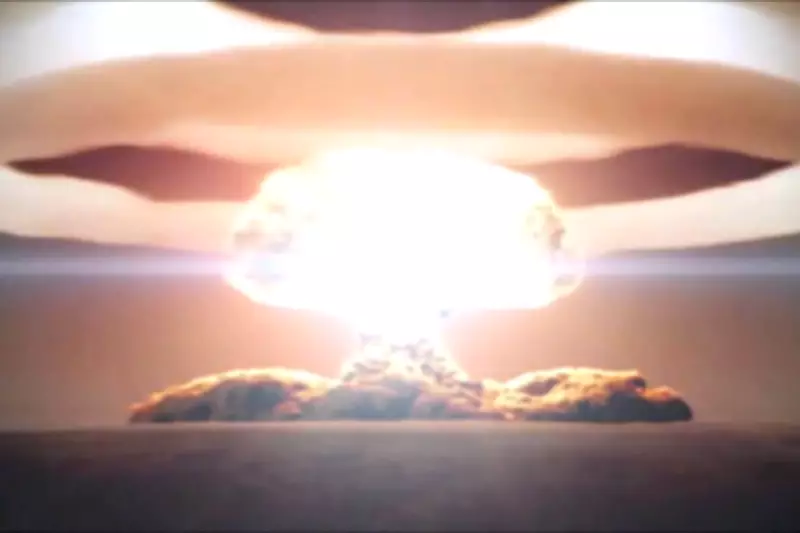
Nuclear explosions operate on another level, capable of obliterating cities based on factors like blast size and geography. Immediate effects include instant deaths at ground zero, burns from fires, and radiation poisoning, followed by long-term fallout causing cancers and environmental damage. Multiple explosions could induce nuclear winter, leading to global climate shifts and famine. While the US holds over 3,500 warheads and Israel is believed to have nuclear weapons, their use against Iran seems unlikely due to diplomatic repercussions.

Call for Diplomatic Solutions
This conflict demonstrates that bombing cannot enforce nuclear non-proliferation; negotiation is essential. The 2015 deal effectively curbed Iran's uranium enrichment through IAEA monitoring, but its collapse under Trump has escalated tensions. Recent US-Iran talks on eliminating highly enriched uranium were abandoned in favour of military action, exacerbating the crisis. Now more than ever, mature leadership is needed to revive efforts against nuclear proliferation and disarmament, preventing a spiral out of control.