

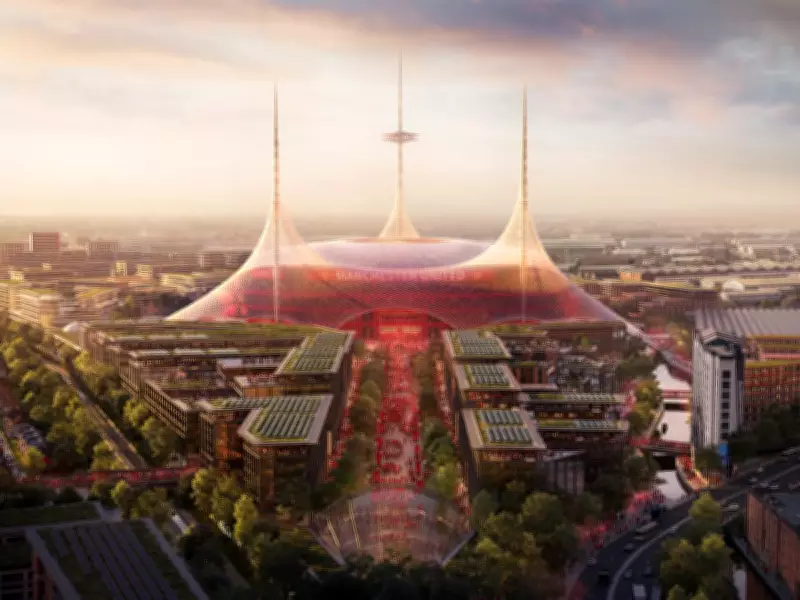
The Football Association is firmly resisting intense lobbying efforts from Manchester United to nominate a completely rebuilt and expanded Old Trafford as the host venue for the prestigious 2035 Women's World Cup final. This significant development comes despite the club's ambitious public declaration of its aspirations for the global showpiece event.
Wembley Remains the Unwavering Choice
Collette Roche, the chief executive of Manchester United's New Stadium Development division, publicly revealed the club's desire to host the 2035 final for the very first time on Tuesday. However, the FA has maintained a steadfast commitment to staging the ultimate match of the tournament at the national stadium, Wembley. The Guardian has confirmed that the FA formally designated Wembley as its preferred final venue when it submitted the official bid documentation for the tournament to FIFA last November.
A Position That Will Not Change
This official position is understood to be absolute and will not be altered, even if Manchester United successfully completes its colossal project to construct a new 100,000-seat stadium before the 2035 finals. The ultimate authority to select the final venue rests with FIFA's governing council. Nevertheless, it would constitute a monumental surprise if the global body chose to overrule the explicit wishes of the national governing body that is spearheading the entire bid campaign.

The FA is leading a historic joint bid from the home nations—England, Scotland, Wales, and Northern Ireland—to host the Women's World Cup for the first time. This event would represent the single largest sporting spectacle ever staged within the United Kingdom. The current Old Trafford stadium is listed among 22 proposed venues in the official bid book, which includes 16 in England, three in Wales, two in Scotland, and one in Northern Ireland.
Manchester United's Stadium Ambitions and Challenges
Should the new stadium project proceed according to schedule, it would replace the existing Old Trafford on the list of potential host grounds. Manchester United remains actively engaged in the complex process of securing the necessary funding for this enormous undertaking, which analysts estimate could exceed £2 billion. A significant additional hurdle involves the club's need to purchase essential land from the haulage company Freightliner.
Despite these considerable challenges, Collette Roche expressed strong confidence in a series of interviews on Tuesday, insisting the project remains on track for timely delivery. "We have not publicly announced a specific opening date, but we are progressing on schedule within our established timelines," she stated. "Our strategic plan is explicitly designed to enable the venue to host other major international sporting events and premier entertainment spectacles. Andy Burnham, the Mayor of Greater Manchester, has articulated his ambition for us to host the final of the Women's World Cup in 2035. If we could successfully achieve that goal, it would be an incredible accomplishment for the club and the region."
The Broader Bidding Landscape
The FA's bid for the 2035 tournament currently faces no direct opposition from other nations. However, the FIFA council recently decided to postpone the official awarding of the hosting rights for both the 2031 and 2035 Women's World Cups. The decision, initially scheduled for the annual congress in Vancouver next month, has been deferred until later in the year. FIFA will now convene an extraordinary congress specifically to ratify these hosting decisions.
A joint bid from the United States, Mexico, Costa Rica, and Jamaica is competing for the 2031 edition. The FA has indicated it is not concerned by this scheduling delay, remaining focused on its campaign to bring the 2035 tournament to British shores, with Wembley Stadium firmly at the heart of its plans for the final.






