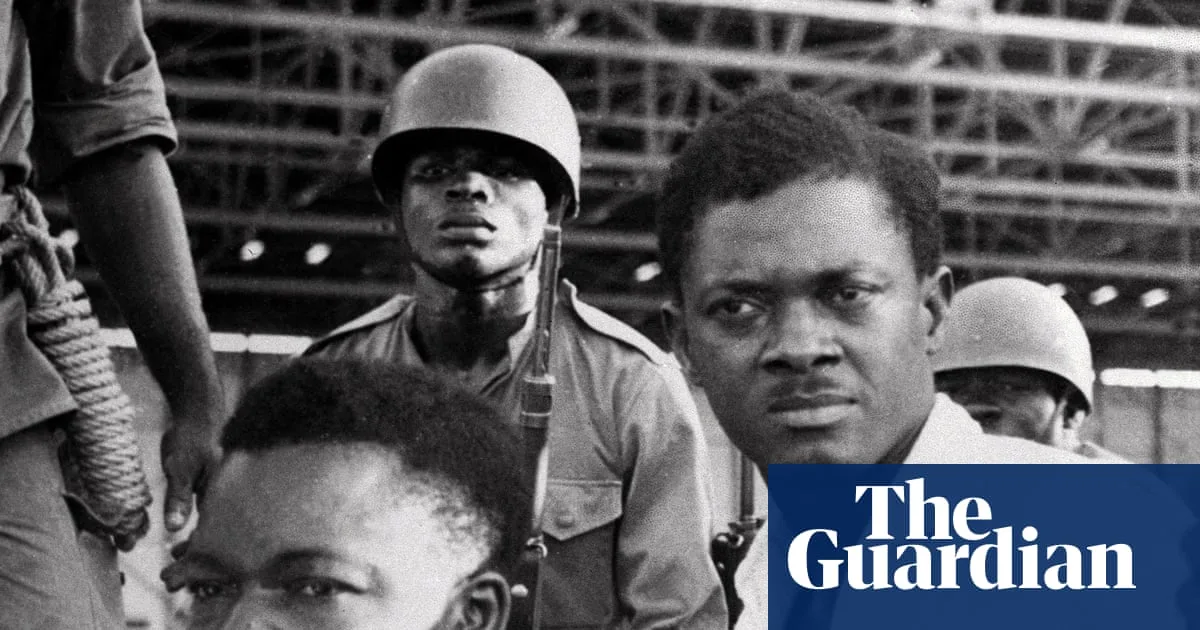
A Brussels court has ruled that Étienne Davignon, a 93-year-old former Belgian diplomat, must stand trial for alleged complicity in the 1961 murder of Patrice Lumumba, the first prime minister of the independent Congo. Davignon, the only surviving suspect among ten Belgians accused by Lumumba's family, faces charges of participation in war crimes.
The decision, which can be appealed, follows a referral by the Brussels prosecutor last June. Davignon, a former vice-president of the European Commission, has denied the charges. His lawyer, Johan Verbist, said it was too early to comment but would analyse the possibility of an appeal.
Lumumba's family welcomed the ruling as a significant step. In a statement, they said: 'For our family, this is not the end of a long fight, it is the beginning of a reckoning that history has long demanded.' Yema Lumumba, a granddaughter, told reporters: 'The fact that all this time has passed does not mean it is done and we will never get to know the truth.'
If the trial proceeds, Davignon will be the first Belgian official to face justice over Lumumba's assassination. The court extended the scope to include Lumumba's associates, Maurice Mpolo and Joseph Okito, who were murdered alongside him. Davignon is accused of illegally transferring Lumumba and his associates from Léopoldville (now Kinshasa) to Katanga.
Lawyers for the family hailed the decision as a historic precedent. Christophe Marchand said: 'This decision confirms that the passage of time cannot erase the legal responsibility for the gravest crimes.' A 2001 Belgian parliamentary inquiry found ministers bore moral responsibility for Lumumba's death, and in 2022 Belgium returned a gold-capped tooth kept as a souvenir by one of the killers.