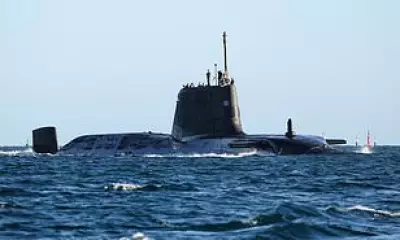
In recent times, a palpable sense of dread has resurfaced regarding the threat of nuclear conflict, a concern that many had not felt since the height of the Cold War over three decades ago. The current geopolitical landscape, marked by escalating tensions, has reignited fears that were once relegated to history books, but now feel all too real and immediate.
The Echoes of Past Anxieties
During the Cold War, the specter of nuclear war loomed large in public consciousness, often accompanied by a strange mix of fear and fascination. However, today's apprehensions lack that same element of morbid curiosity, instead presenting a more sobering and urgent reality. The shift in tone reflects broader changes in global politics and the ways in which threats are perceived and communicated.
Key Factors Driving Modern Concerns
Several developments have contributed to this renewed anxiety. High-profile figures and international conflicts have brought nuclear issues back into the spotlight, making discussions about armageddon feel less like theoretical exercises and more like plausible scenarios. This has led to a growing unease among populations worldwide, who are now grappling with the potential consequences in a more interconnected and volatile world.

The emotional weight of these fears is compounded by the stark contrast with past experiences. Where once there might have been a detached or even sensationalized view, today's concerns are grounded in tangible events and rhetoric, making the threat feel more personal and less abstract. This has implications for public discourse, policy-making, and individual mental well-being, as people navigate an era where nuclear brinkmanship is no longer a relic of the past.
As we reflect on this shift, it becomes clear that the nature of nuclear fear has evolved. It is no longer just a distant possibility but a pressing issue that demands attention and action from global leaders and citizens alike. The lessons of history remind us of the stakes, urging a cautious and informed approach to prevent catastrophe.