The final nuclear arms control agreement between the United States and Russia is poised to lapse this Thursday, marking a historic end to more than five decades of bilateral efforts to limit atomic weaponry. The expiration of the New START Treaty will eliminate all restrictions on the world's two largest nuclear arsenals, raising profound concerns about global stability and the potential for an unconstrained arms race.
Implications of Treaty Termination
With the pact set to dissolve, experts warn that the absence of caps could incentivise both nations to expand their deployed nuclear forces, a scenario not seen in approximately 35 years. Kremlin spokesman Dmitry Peskov emphasised on Tuesday that a world without these limits would be "more dangerous," echoing widespread apprehensions among arms control advocates. These advocates have long cautioned that the treaty's expiry could fuel instability and heighten the risk of nuclear conflict.
Political Stances and Negotiations
Russian President Vladimir Putin has expressed willingness to adhere to the treaty's constraints for an additional year, provided the United States reciprocates. However, President Donald Trump has remained noncommittal regarding an extension. A White House official, speaking anonymously, noted that Trump aims to maintain nuclear limits and involve China in future arms control discussions, but will decide "on his own timeline." Beijing, however, has resisted any curbs on its growing, albeit smaller, nuclear arsenal.

Expert Warnings and Historical Context
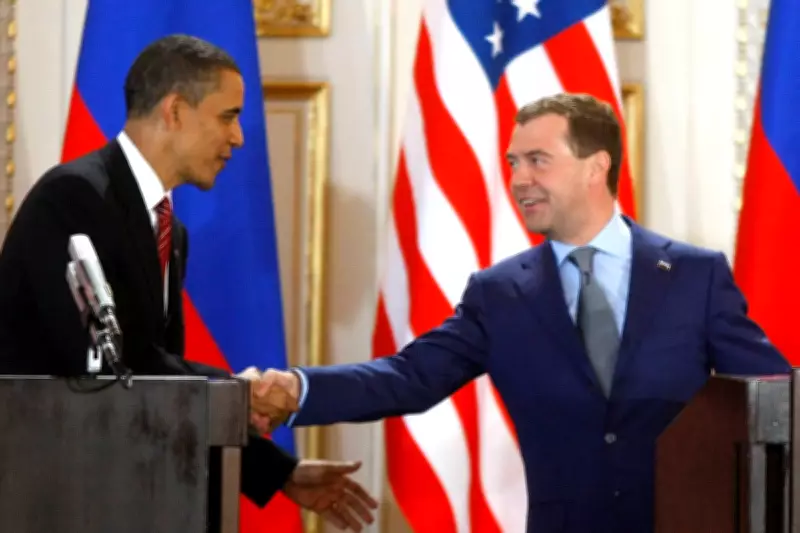
Daryl Kimball, executive director of the Arms Control Association, highlighted the risk of a "dangerous three-way arms race" involving the U.S., Russia, and China. Kingston Reif of the RAND Corporation added that without the treaty's predictability, both sides might feel compelled to increase arsenals to demonstrate resolve or gain negotiating leverage. The New START Treaty, originally signed in 2010 by Presidents Barack Obama and Dmitry Medvedev, limited each party to 1,550 warheads on 700 missiles and bombers. It was extended in 2021 but faced challenges, including suspended inspections in 2020 due to the COVID-19 pandemic and Russia's formal suspension in 2023.
Broader Strategic Concerns
Putin has frequently referenced Russia's nuclear capabilities since the 2022 invasion of Ukraine, and in 2024, he revised nuclear doctrine to lower the threshold for use. The treaty's demise follows the collapse of previous agreements, such as the Anti-Ballistic Missile Treaty in 2001 and the Intermediate-range Nuclear Forces Treaty in 2019. In response to U.S. missile defence initiatives, Russia has developed advanced weapons like the Burevestnik cruise missile and Poseidon underwater drone.
Future Prospects and Global Impact
Medvedev, now deputy head of Putin's Security Council, warned that Russia would "act proportionately" to restore parity if threats emerge, citing Trump's proposed Golden Dome missile defence system as potentially destabilising. Trump's mention of resuming nuclear tests has also alarmed the Kremlin, with Putin vowing a reciprocal response. Kimball cautioned that such actions could "blow a massive hole" in global nuclear risk reduction efforts, potentially encouraging other nations like China and India to follow suit.
As the treaty expires, the international community faces a pivotal moment, with experts predicting accelerated strategic competition and increased spending on nuclear capabilities. This shift could herald a more perilous era of global nuclear rivalry, underscoring the urgent need for diplomatic engagement to avert a new arms race.