Secret Netanyahu-Trump Call Accelerated Iran Military Operation
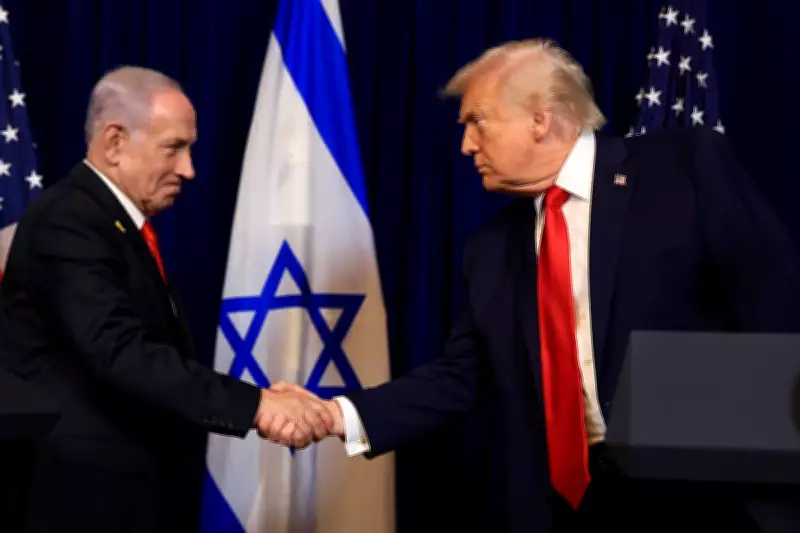
Israeli Prime Minister Benjamin Netanyahu provided President Donald Trump with crucial intelligence about the whereabouts of Iranian leaders during a secret phone call, directly influencing the timeline for coordinated U.S.-Israel strikes that killed Supreme Leader Ayatollah Ali Khamenei and other top officials, according to a new investigative report.
Critical Intelligence Exchange
The Axios report reveals that Netanyahu called Trump on Monday, February 23, informing him that Khamenei and other senior Iranian officials planned to gather at a single location in Tehran on Saturday morning. This intelligence was reportedly confirmed by the CIA by Thursday, February 26, providing what officials described as a "unique targeting opportunity."
While Trump had already been considering military action against Iran, the specific intelligence about the leaders' assembly helped determine the precise timing of the operation. The president had previously wanted to exhaust diplomatic options, but was informed on Thursday that negotiations with Iranian officials in Geneva were failing to progress.

Operation Epic Fury Launched
Just eleven hours after receiving final confirmation about the diplomatic deadlock, U.S. and Israeli forces launched coordinated strikes on Tehran early Saturday. Joint Chiefs of Staff Chairman General Dan Caine confirmed that Trump gave the final authorization at 3:38 p.m. on Friday, February 27, with the directive: "Operation Epic Fury is approved. No aborts. Good luck."
White House Press Secretary Karoline Leavitt acknowledged the importance of Netanyahu's intelligence, telling reporters: "I think it was important with respect to the timeline, but I think the president, prior to that phone call, had a good feeling that the Iranian regime was going to strike United States assets and our personnel in the region."
Trump's Justification and Timeline Acceleration
President Trump defended the preemptive strikes, telling reporters on Tuesday: "We were having negotiations with these lunatics, and it was my opinion that they were going to attack first. They were going to attack if we didn't do it. They were going to attack first, I felt strongly about that."
The Axios report indicates the original timeline for military action could have extended to late March or early April, but Netanyahu reportedly pushed for acceleration. According to the outlet, U.S. officials described Netanyahu as "agitating" for earlier action, warning that Iranian opposition leaders faced imminent danger.
However, Israeli Ambassador to Washington Yechiel Leiter denied these characterizations, stating: "Over the past year, we have worked more closely than ever with our partners in the United States regarding Iran, and we see eye to eye on the danger Iran poses to Israel, to the United States, and to the free world."
Operational Challenges and Aftermath
The compressed timeline created operational challenges, with one official telling Axios the opportunity "came on us so fast" that they "didn't make the case in advance as well as we could have." Trump has since indicated the military campaign was projected to last four to five weeks but could extend "far longer" depending on developments.
The Independent contacted multiple agencies for comment, with the Pentagon referring inquiries to the White House, and the White House directing questions to Leavitt's previous statements. The Embassy of Israel did not immediately respond to requests for additional comment on the reported intelligence exchange.