Navalny's Poisoning Exposes Putin's Untrustworthy Regime
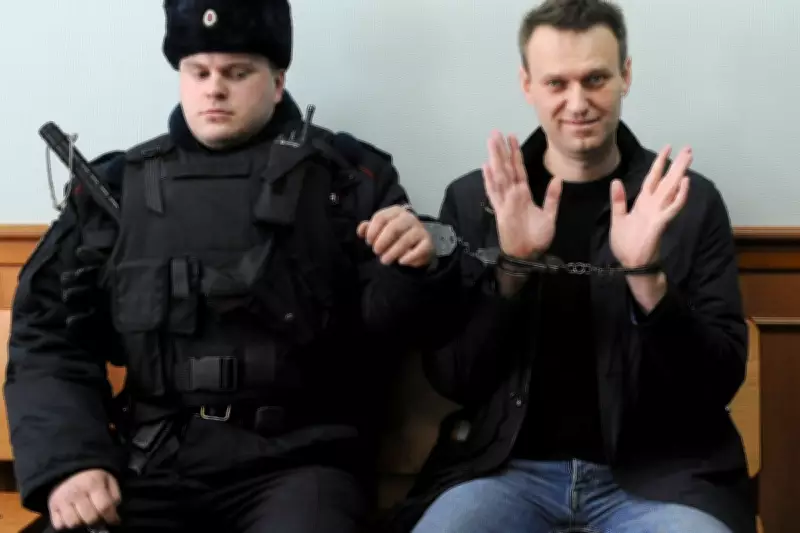
The shocking revelation that Russian dissident Alexei Navalny was killed using poison derived from the rare Ecuadorian dart frog confirms a disturbing pattern in Kremlin tactics. Foreign Secretary Yvette Cooper, alongside four European counterparts, announced that intelligence services and chemical weapons experts have concluded this exotic toxin was deliberately administered.
A Century of Poison as Political Weapon
This method reaches back deep into Soviet history, where poison has been the Kremlin's preferred tool for eliminating inconvenient figures since Stalin's era. Stalin's pharmacist-turned-secret police chief Genrikh Yagoda was accused of developing a poisons laboratory, ironically facing execution himself in 1937 for poisoning loyal Stalinists.
The use of rare, exotic poisons creates deliberate ambiguity. Unlike shootings, poisonings require post-mortem investigations that take time, allowing perpetrators to escape while speculation and rumors proliferate. In today's social media landscape, this ambiguity is exacerbated by targeted bots spreading both genuine questions and dubious theories.

From Litvinenko to Navalny: A Pattern Emerges
This is not an isolated incident. The 2006 radioactive polonium poisoning of Alexander Litvinenko in London left traces on flights to and from Moscow, creating an international scandal. Navalny's first poisoning with novichok in 2018, the same toxin used in Salisbury, demonstrated the Kremlin's continued reliance on these methods.
Navalny's bold return to Russia after that initial poisoning represented a direct challenge to Putin's authority. His survival as a prisoner in a remote Arctic labor camp gave him a status that posed a lingering threat to the Kremlin, making his eventual mysterious death particularly significant as a warning to other dissidents.
Psychological Warfare and Domestic Control
The mental calculation behind these high-profile poisonings echoes Caligula's remark: "Let them hate, so long as they fear." Making domestic opponents' flesh creep serves as effective intimidation, even when it confirms foreign suspicions about the regime's nature.
Across the former Soviet bloc, Communist secret police departments specialized in manufacturing rumors that seemed more plausible precisely because they weren't official communications. Today, the internet maximizes this strategy, spreading fears that regime agents could strike with invisible, undetectable poisons, making any sudden ailment seem sinister.
International Consequences for Ukraine Diplomacy
The timing of this revelation at the Munich Security Conference, two years after Navalny's death was announced at the same event, carries significant diplomatic weight. In the short term, this development makes it impossible for European allies to accept any peace plan for Ukraine that rewards Putin, particularly proposals that might emerge from Trump administration diplomacy.
Putin has poisoned his own legacy not only through launching a bloody, indecisive war in Ukraine but also by attempting to smother the memory of his most recognized opponent. Yet in dying as he did, Navalny's memory will haunt Putin indefinitely, and most Western nations can never again accept Russia as a trustworthy partner.
As Stalin understood, "One death is a tragedy. A million deaths is a statistic." Navalny's fate personalizes the cost of opposing Putin while putting a human face on the victims of Kremlin ruthlessness. The poison meant to eliminate a problem has become a boomerang, undermining Russian credibility at a critical geopolitical moment.