NATO Secretary General Clarifies Origins of Trump's 'Daddy' Moniker
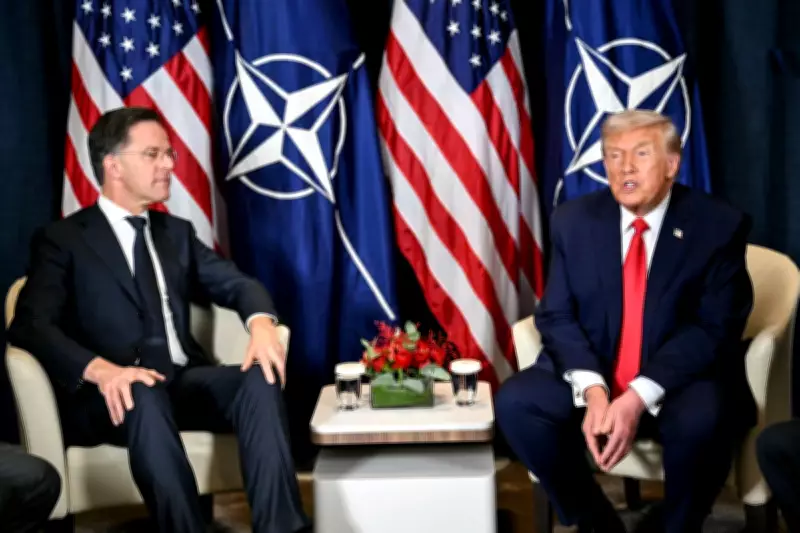
NATO's Secretary General Mark Rutte has provided a detailed explanation for the unusual "daddy" nickname he inadvertently bestowed upon former US President Donald Trump. The Dutch politician attributed the peculiar label to his "insufficient command of the English language" during a revealing interview at the Munich Security Conference.
Language Barrier Leads to Unintended Connotations
Speaking with Politico journalist Dasha Burns, Rutte recounted how the nickname emerged during discussions with Trump last summer concerning US military actions in Iran and ongoing negotiations with Israel. "And then I said – and here is my insufficient command of the English language – I said, 'Daddy sometimes has to be tough,'" Rutte explained. He acknowledged only realizing later that the term "daddy" carries numerous cultural connotations beyond its literal meaning.
When Burns humorously inquired, "Do you have some daddy issues, Mr Rutte?" the NATO chief clarified that the nickname was entirely unintentional. He described how Trump's team subsequently embraced the term, creating T-shirts and producing videos where the former president declared "Daddy is home" following international summits.

Trump's Embrace of the Controversial Nickname
Donald Trump notably adopted the "daddy" label during a widely discussed speech at the World Economic Forum in Davos last month. Amid European criticism of his administration's attempts to acquire Greenland, Trump referenced Rutte's earlier comment, stating: "They called me 'Daddy,' right? The last time? [A] very smart man said: 'He's our Daddy. He's running it.'"
The former president contrasted this perception with subsequent criticism, remarking: "I went from running it to being a terrible human being." This public embrace of the nickname occurred despite Trump initially confusing Greenland with Iceland during his remarks about territorial ambitions.
International Reactions and Broader Context
Rutte now views the entire episode with amusement, telling Burns: "I'm now carrying it, living with it. It's a fact of life. Now he's Daddy." However, not all conference attendees shared this lighthearted perspective. New York Congresswoman Alexandria Ocasio-Cortez used the platform to criticize the Trump administration's impact on international relations, asserting it was "tearing apart the transatlantic partnership."
The incident highlights the intersection of diplomatic communication, cultural misunderstandings, and political branding in contemporary international relations. Rutte's candid explanation provides insight into how informal remarks between world leaders can evolve into significant public narratives with unexpected longevity and implications for diplomatic discourse.