Deborah Cheetham Fraillon: How Music Guided a Stolen Generations Trailblazer Home
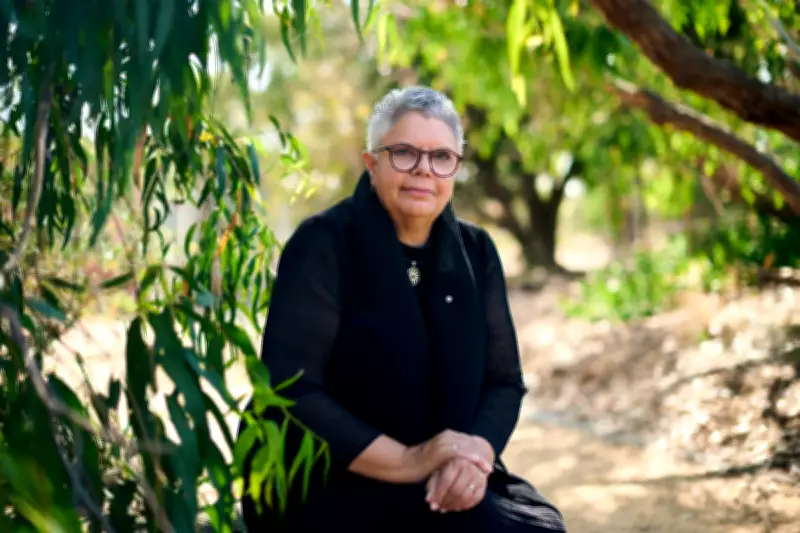
On a radiant Friday morning in Melbourne's Albert Park, Deborah Cheetham Fraillon reflects on her life with a blend of wit and profound honesty. Her cavoodle Charlie sniffs around as she distills her essence: "Yorta Yorta by birth, Stolen Generation by government policy, composer by necessity, soprano by diligence and lesbian by practice." This concise bio captures a remarkable 40-year career spanning soprano performances, playwriting, and internationally acclaimed composition.
A Legacy of Resilience and Song
Cheetham Fraillon's formidable presence as a champion of Australian opera is tempered by warmth and generosity. She has built a sustained career in an industry notorious for its lack of diversity, requiring immense grit. "There are plenty of opportunities to summon that determination, and that seems to be unrelenting," she notes, citing a 2020 report that found more composers named Johann than all female composers programmed by Australian orchestras combined.
Her tenacity may stem from family history. She speaks of the Cummeragunja Walk Off in 1939, when Yorta Yorta people staged a mass strike by crossing the Murray River. "The strength and determination of my grandparents in basically saying we're drawing the line here... I'm glad to have inherited in any measure."

Music as DNA and Homecoming
Removed from her birth family as a baby, Cheetham Fraillon was raised by a loving white Baptist family in Sydney, where her musical obsession took root. "I can't remember a time when I wasn't singing," she says. A school trip to see Dame Joan Sutherland in 1979 "literally changed my life." For her, the sung narrative is woven into her DNA, both culturally and literally.
As an adult reconnecting with her Aboriginal family, she discovered a lineage of singers: her mother Monica, her grandmother Francis—a renowned singer in Cummeragunja—and her uncle, the legendary Jimmy Little. "Many Stolen Generation children never find their way home. I did find my way home. Music led me home."
From Baptist Upbringing to Artistic Innovation
Her Baptist upbringing instilled a philosophy of community service, though it clashed with her identity. "When it was discovered I had a girlfriend, I had to resign all my positions of authority," she recalls with little rancour. This background fuelled her transition from singer to composer, culminating in founding Short Black Opera in 2010.
Her works, like the autobiographical Pecan Summer and the symphonic Eumeralla, blend ancient Dhauwurd Wurrung languages with classical forms. "When you're writing in those ancient languages, you get a unique rhythmic and textural composition that is linked to this country in a way that nothing else can be," she explains.
Championing Inclusivity in Classical Music
Cheetham Fraillon passionately argues that opera is for everyone, criticising Australian companies' reliance on European music and musicals like Phantom of the Opera. Short Black Opera was established to provide training and opportunities for First Nations singers often excluded from classical music.
In today's fractious world, she believes the arts are crucial. "The arts is where we develop critical thought and emotional maturity... What on earth is our purpose here, if not to do that?" With Charlie nestled nearby, her message resonates: music can guide us home and through life's biggest questions.