Minnesota Files Lawsuit Against Trump Administration Over ICE Shooting Evidence
Minnesota law enforcement officials have initiated a legal battle against the Trump administration, filing a lawsuit to compel the federal government to share critical evidence collected after three fatal shootings during an immigration enforcement operation. The state authorities argue they have been systematically stonewalled in their attempts to access this information, which is essential for their investigations into the incidents that triggered nationwide protests.
Details of the Lawsuit and Shooting Incidents
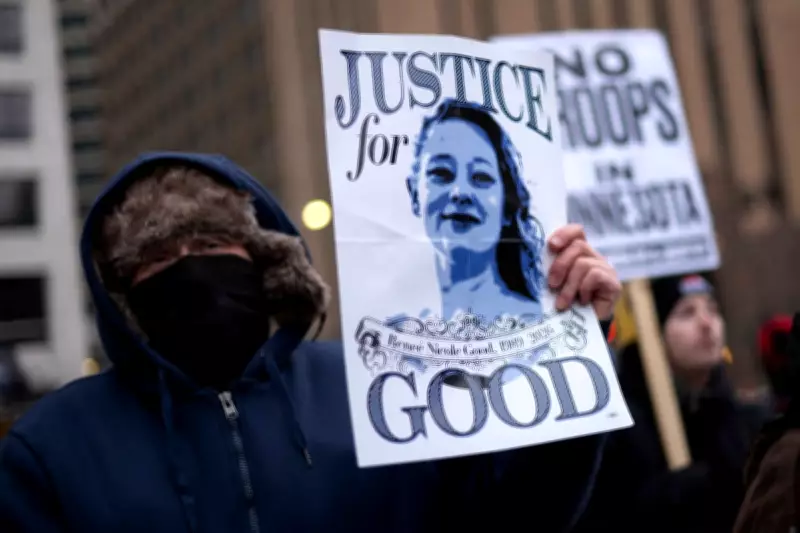
The lawsuit, formally submitted on Tuesday in a federal court in Washington, D.C., specifically seeks evidence related to the shootings of Renee Good and Alex Pretti, both of whom were fatally wounded, as well as Julio Cesar Sosa-Celis, who was injured. These events occurred during a surge in Immigration and Customs Enforcement (ICE) activities, which has been a contentious issue in recent years. State officials emphasize that their inability to obtain this evidence hampers their sovereign duty to investigate crimes within Minnesota's borders.
In their legal filing, the plaintiffs stated, "At stake is not only Plaintiffs' access to evidence central to these shootings but also a fundamental principle of our constitutional system: that the States retain the sovereign authority—and responsibility—to investigate crimes committed within their borders." This statement underscores the broader constitutional implications of the case, highlighting tensions between state and federal powers.

Broader Implications and Public Response
The shootings have sparked significant public outcry, with protests erupting across the nation demanding transparency and accountability. A key witness, a woman who recorded the Alex Pretti shooting, has reported that federal authorities have still not contacted her, further fueling concerns about the investigation's opacity. Minnesota's lawsuit aims to address these issues by legally forcing the federal government to cooperate, setting a potential precedent for how similar interstate-federal disputes are handled in the future.
This case is developing rapidly, with more details expected to emerge as legal proceedings advance. It represents a critical juncture in the ongoing debate over immigration enforcement and state rights, with implications that could extend beyond Minnesota to affect national policy and intergovernmental relations.