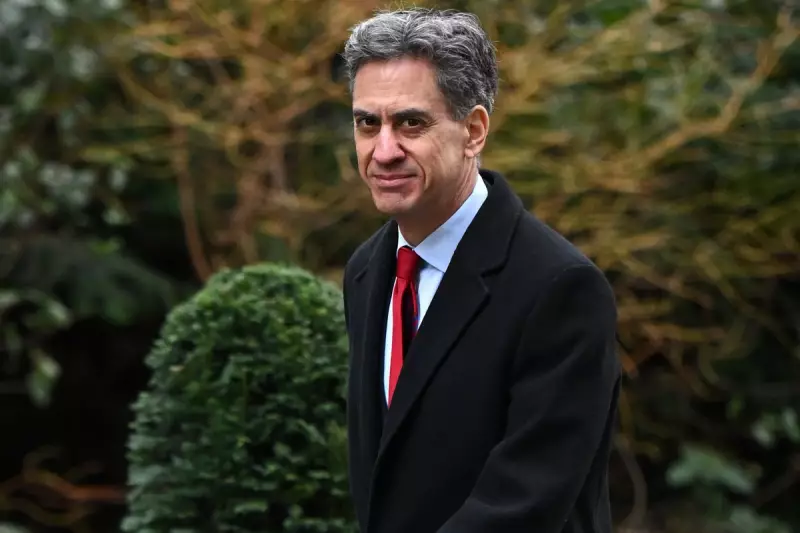
Energy Secretary Ed Miliband has publicly acknowledged that the diplomatic landscape between the United Kingdom and the United States has fundamentally shifted in the wake of Donald Trump's recent outbursts concerning Greenland and the Chagos Islands agreement. This admission comes amid escalating tensions between the US president and key NATO allies over his Arctic ambitions.
Trump's Arctic Ambitions Spark Diplomatic Strain
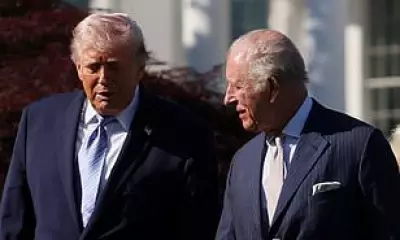
Donald Trump has repeatedly doubled down on his controversial insistence that America should acquire Greenland, a territory under Danish sovereignty. During a White House press conference on Tuesday evening, the US leader expressed uncertainty about his NATO allies and reiterated his claim that the United States requires Greenland for strategic security purposes. Trump has gone so far as to threaten Britain and other European nations with substantial ten percent tariffs, effective from February 1, unless they acquiesce to his proposed purchase of the Arctic territory.
Starmer's Firm Rejection of Trump's Approach
Prime Minister Sir Keir Starmer has taken a firm stance against the American president's tactics, labelling Trump's threats to impose tariffs over the Greenland issue as "completely wrong". The UK leader has strongly reaffirmed Denmark's sovereign rights over the territory. When questioned directly about whether the situation between the two longstanding allies had now changed, Ed Miliband responded unequivocally to BBC Radio 4, stating: "Well obviously. It's obviously a very challenging situation and the situation has changed in the sense that the prime minister has come out very clearly and said he disagrees with President Trump on the issue of Greenland."

Chagos Islands Criticism Compounds Tensions
The diplomatic friction has been further exacerbated by Trump's direct criticism of the United Kingdom regarding the Chagos Islands. On Tuesday, the US president took aim at Britain, describing the plan to cede the islands to Mauritius as an act of "great stupidity". Trump confirmed his opposition to the deal, adding another layer of complexity to the already strained transatlantic relationship. Despite these public criticisms, Trump maintained that he gets along "very well" with Prime Minister Starmer, though he revealed they had not spoken since his social media posts on the matter.
Davos Gathering Amidst Ongoing Dispute
The US president is currently en route to the World Economic Forum in Davos, Switzerland, where he is scheduled to address an assembly of global leaders and business executives. Trump confirmed his travel plans, noting "we have a lot of meetings scheduled on Greenland" and expressing optimism that "things are going to work out pretty well". The UK is represented at the summit by a delegation led by Chancellor Rachel Reeves and including Trade Secretary Peter Kyle, with Foreign Secretary Yvette Cooper also expected to attend.
Defending Starmer's Diplomatic Approach
Ed Miliband has defended Prime Minister Starmer's handling of the situation, describing his "calm approach" to the US president as the correct strategy. The Energy Secretary highlighted that Starmer has "sought common ground with the President of the United States" and that this diplomacy had previously yielded positive results, including securing the first UK-US trade deal. Miliband also addressed questions about Starmer's absence from Davos, noting the Prime Minister had already engaged with Trump directly and suggesting it was inconsistent to criticise leaders for both travelling too much and not enough.
As the diplomatic standoff continues, Downing Street has indicated there will be "engagement on all levels" but has refrained from speculating about potential discussions between UK and US officials at the Davos summit. The situation represents a significant test for the special relationship between the two nations, with economic threats and territorial disputes creating unprecedented challenges for bilateral diplomacy.