German Opposition Leader Suggests Ukraine War Could End with Russian Exhaustion
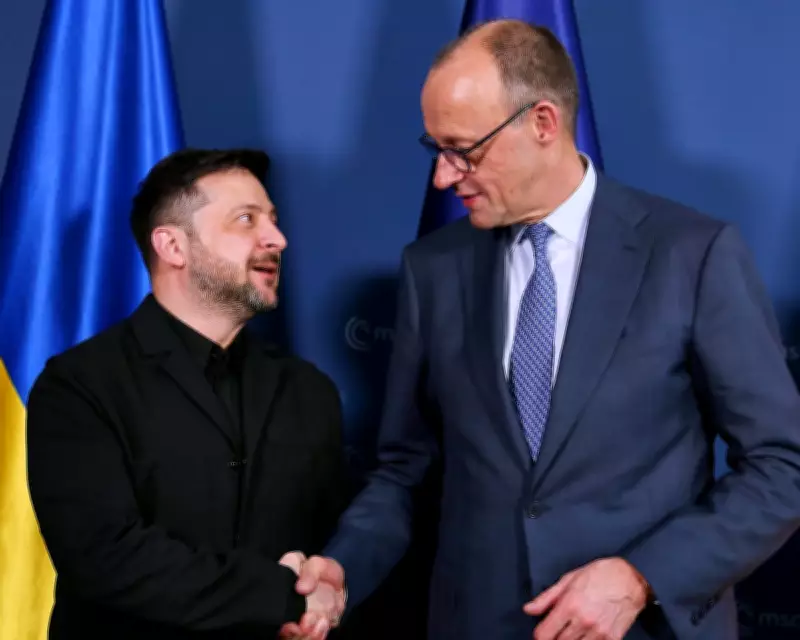
In a significant statement on the ongoing conflict in Ukraine, Friedrich Merz, the leader of Germany's Christian Democratic Union (CDU), has proposed that the war could potentially conclude if Russia becomes economically or militarily exhausted. This perspective emerges amidst intense international discussions regarding the future trajectory of the conflict and the strategies employed by Western allies.
Merz's Analysis of the Conflict's Potential Resolution
Friedrich Merz, who heads Germany's primary opposition party, articulated his views during a recent briefing, highlighting that the sustained pressure on Russia's resources might lead to a tipping point. He emphasised that economic sanctions and military support for Ukraine are critical factors in draining Russian capabilities. Merz's comments reflect a broader debate within European political circles about how to effectively support Ukraine while managing the risks of escalation.
Merz stated, "The conflict in Ukraine could reach an end if Russia is pushed to a state of exhaustion, whether through economic strain or military depletion." This assertion underscores the belief that prolonged engagement could weaken Russia's position, potentially forcing negotiations or a withdrawal.

Context of International Support and Strategy
The war in Ukraine, which began with Russia's full-scale invasion in February 2022, has drawn widespread condemnation and support from Western nations. Germany, under Chancellor Olaf Scholz's government, has been a key player in providing military aid and implementing economic sanctions against Russia. Merz's remarks come as Germany and other allies continue to assess their long-term commitments to Ukraine's defence.
Key elements of the current strategy include:
- Providing advanced weaponry and financial assistance to Ukraine.
- Enforcing stringent economic sanctions targeting Russia's energy and financial sectors.
- Engaging in diplomatic efforts to isolate Russia on the global stage.
Merz's perspective aligns with some analysts who argue that a war of attrition could eventually favour Ukraine, given its backing from Western allies. However, others caution that such an approach carries risks of prolonged suffering and potential geopolitical instability.
Implications for European Policy and Unity
Merz's comments have sparked discussions about the coherence of European policy towards the Ukraine war. As the leader of the opposition, his views may influence domestic debates in Germany and shape future political decisions. The CDU has generally supported Ukraine, but Merz's emphasis on exhaustion as a pathway to peace highlights a strategic viewpoint that prioritises sustained pressure over immediate diplomatic solutions.
This stance comes at a time when European nations are grappling with the economic impacts of the war, including energy crises and inflation. Merz's analysis suggests that enduring these challenges could be necessary to achieve a favourable outcome for Ukraine. It also raises questions about the balance between military support and humanitarian concerns, as the conflict continues to cause significant civilian casualties and displacement.
In summary, Friedrich Merz's assertion that Russia's economic or military exhaustion could end the Ukraine war adds a nuanced dimension to the ongoing discourse. While not a new concept, his position as a prominent German political figure lends weight to this perspective, potentially influencing future policy directions in Europe. The international community remains watchful as developments unfold, with the hope of a peaceful resolution that upholds Ukraine's sovereignty and stability in the region.