Melania Trump's Potential Influence in Averting Iran Conflict
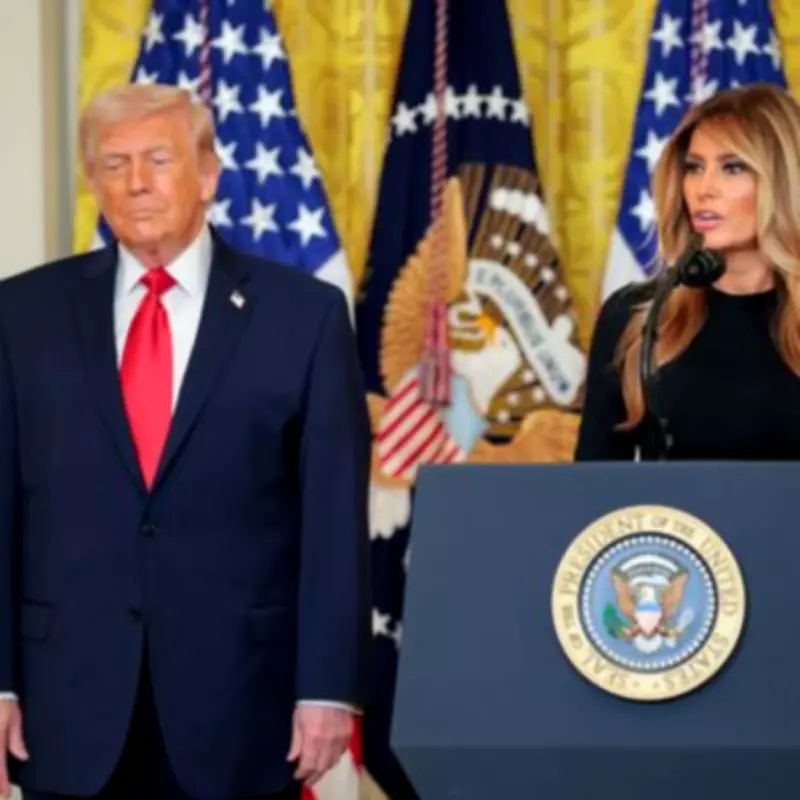
An international relations expert has proposed that Melania Trump might have "whispered something" to her husband, President Donald Trump, prompting his sudden reversal on a dire threat to annihilate Iran's civilization. This speculation emerged as the United States, Israel, and Iran agreed to a two-week ceasefire on Wednesday, following a public appeal from the Pakistani Prime Minister for additional time to facilitate diplomatic negotiations between the warring nations.
Trump's Chilling Ultimatum and Last-Minute Retreat
Just prior to the ceasefire announcement, President Trump issued a terrifying ultimatum, declaring that if a deal were not reached, "A whole civilization will die tonight, never to be brought back again." However, less than two hours before this deadline, he announced the ceasefire, leaving many to ponder the reasons behind this dramatic shift in stance.
Professor Anthony Glees, a leading international relations expert from the University of Buckingham, highlighted three potential factors that could have led Trump to "blink first" in the confrontation with Iran. He described the President as "a vindictive, furious, angry old man who's not getting his way," noting that after nearly 40 days of conflict, none of the initial objectives set by Trump and Israeli Prime Minister Benjamin Netanyahu had been achieved.

The First Lady's Possible Role in Trump's Decision
Professor Glees suggested that Melania Trump might have played a crucial role in her husband's decision-making process. He remarked, "There is always somebody that the President of the United States will always listen to, and for all we know it was Melania." The expert speculated that the First Lady could have expressed disapproval of Trump's harsh language, such as his use of phrases like "Open the F**kin' Strait" and "you crazy b**tards," potentially whispering, "Donald darling, your language revolts me."
Additionally, Glees proposed that Melania might have appealed to Trump's legacy concerns, given his age and erratic behavior. He imagined her saying, "Donald, what you say is disgusting, think of your legacy. You're an old man, the clock is ticking on you. Do you want to be remembered as the man who caused this havoc?" This personal influence could have been a key factor in the President's sudden change of heart.
Other Influential Factors Behind the Ceasefire
Beyond Melania's potential intervention, Professor Glees pointed to other possible reasons for Trump's U-turn. He mentioned that UK Prime Minister Keir Starmer might have quietly advised Trump that continuing the war would devastate the global economy, primarily benefiting adversaries like Vladimir Putin and China. However, Glees acknowledged this as unlikely due to the stream of insults Trump has directed at Starmer, including comparisons to Neville Chamberlain and criticisms of the UK's stance on using British air bases.
Economic pressures also played a significant role, according to the expert. The disruption in the Strait of Hormuz, which typically handles about one-fifth of the world's oil supply, led to soaring oil prices and increased costs for petrol and diesel globally. Glees explained, "Even though America is in a sense self-sufficient in oil, it is in a global market." He added that factors such as stock market impacts and upcoming mid-term elections in the US could have influenced Trump's decision, with markets recovering following the ceasefire announcement.
Broader Implications of the Ceasefire Agreement
The ceasefire has brought temporary relief to a tense international situation, but underlying issues remain unresolved. Pro-regime demonstrators in Tehran celebrated the announcement, yet the conflict's root causes persist. Professor Glees emphasized that the current position is "far worse" than when the war began, highlighting the ongoing challenges in achieving lasting peace.
This development underscores the complex interplay of personal, political, and economic factors in high-stakes international diplomacy. As the two-week ceasefire progresses, the world watches closely to see if diplomatic efforts can build on this fragile truce or if hostilities will resume, with Melania Trump's whispered advice potentially having averted a broader catastrophe.