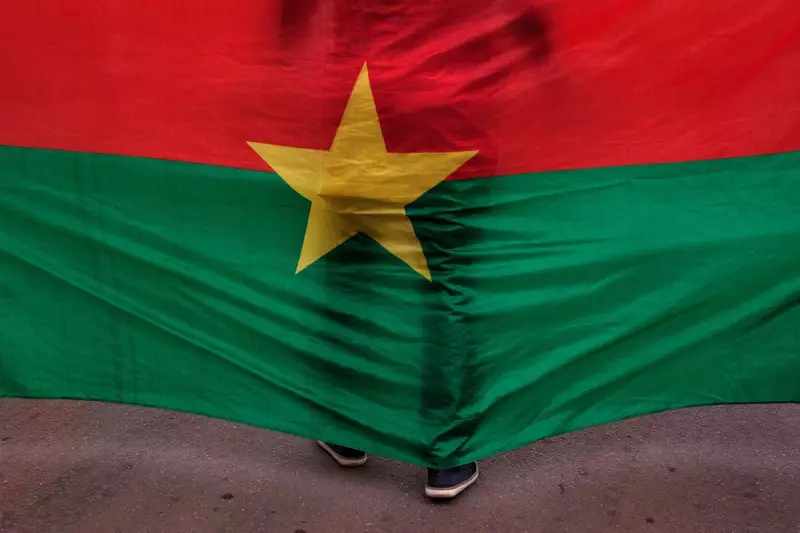
In a sharp diplomatic escalation, the West African nations of Mali and Burkina Faso have announced an immediate ban on entry for United States citizens. This move is a direct act of retaliation against the US government's own recent travel restrictions imposed on their nationals.
The Tit-for-Tat Travel Restrictions
The announcements were made late on Tuesday, 31 December 2025, in separate statements issued by the foreign ministries of both countries. The measures come in direct response to US President Donald Trump's decision on 16 December 2025 to expand existing travel bans. That expansion added 20 more countries to the list, including Mali, Burkina Faso, and their neighbour Niger.
The Malian Ministry of Foreign Affairs and International Cooperation stated its action was based on the principle of reciprocity. Its declaration confirmed that Malian authorities would "apply the same conditions and requirements to US nationals as those imposed on Malian citizens" with immediate effect.

Burkina Faso followed suit with a similar statement, signed by its Minister of Foreign Affairs, Karamoko Jean-Marie Traoré. The Burkinabe government cited identical reasons for barring American citizens from entering its territory.
Roots of the Diplomatic Dispute
This exchange marks the latest downturn in the already chilly relations between the United States and several West African states now under military rule. Mali, Burkina Faso, and Niger are all governed by juntas that seized power from civilian governments. The three nations have also formed a breakaway alliance, distancing themselves from the main regional bloc, the Economic Community of West African States (ECOWAS).
The White House had pointed to persistent attacks by armed groups as a key rationale for its original ban. Both Mali and Burkina Faso have indeed faced severe challenges in containing the rapid spread of jihadist insurgencies within their borders. The military juntas originally came to power promising to tackle this very insecurity, which has destabilised much of the Sahel region.
Implications and Regional Context
This reciprocal ban solidifies a growing divide. It represents a formalisation of the diplomatic friction between the US and the new military-led alliances in West Africa. The move is largely symbolic for general travel but could impact aid workers, diplomats, and businesspeople. It underscores a period where reciprocal diplomatic measures are being prioritised over dialogue, further complicating international cooperation on security and development in the region.
The situation remains fluid, with no indication from either side on how long these bans will remain in place or if further diplomatic or economic measures could follow.