Love Is Blind Producer Sets Record Straight on Show's Authenticity
As the highly anticipated final episode of Love Is Blind Season 10 premieres on Netflix this March 4, viewers will witness the ultimate decisions of this year's couples. After nearly two months of emotional connection in the iconic pods, participants must choose between committing to legally binding marriage or permanently ending their relationships.
The Show's Remarkable Track Record
Since its groundbreaking debut in 2020, this social experiment has produced remarkable results, with eleven couples from both the American and British versions remaining happily married today. The series has earned critical acclaim as a Critics Choice Award winner, received multiple Emmy nominations, and secured a BAFTA nomination in the United Kingdom. Furthermore, it holds the distinguished position as the most-watched streaming original series ever within its genre.
Despite this overwhelming success both romantically and broadcast-wise, persistent skepticism surrounds the program, with critics frequently labeling it as manufactured drama. However, a former producer who worked on the inaugural UK season in 2023 provides compelling firsthand evidence to counter these allegations.
Hands-Off Production Approach
"Having worked on numerous reality programs previously, I anticipated the usual gentle guidance of cast members toward predetermined storylines," the producer admits. "Yet within hours on set, I recognized this production operated fundamentally differently."
Production executives explicitly instructed the team that this would be a "hands-off" operation unlike any conventional dating show. All interactions with participants were strictly limited to logistical coordination and transportation between pods. Producers were prohibited from building relationships with cast members—a standard practice in reality television—ensuring connections developed organically without external influence.
Real Relationships Formed in the Pods
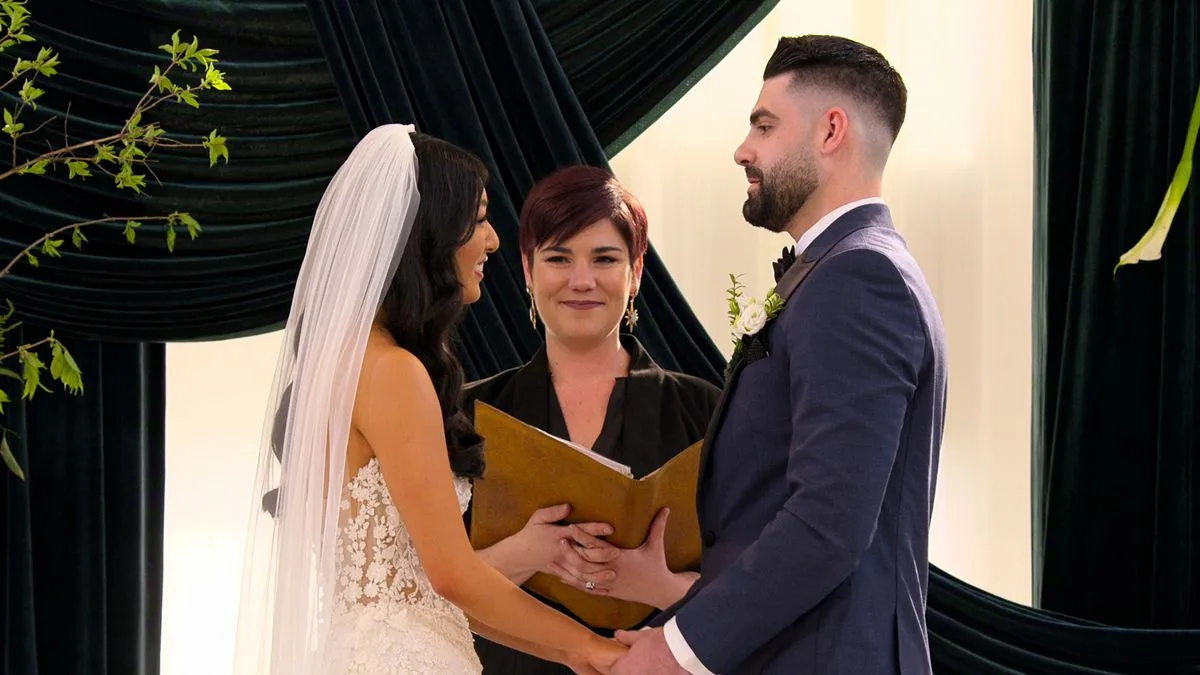
The authenticity of this approach manifests clearly through successful couples like Bobby Johnson and Jasmine Chamberlain, who met during the first UK season. The Staffordshire luxury shopping guide and aspiring musician connected immediately with the London mental health nurse during their initial pod date, captivating audiences as their romance blossomed.
They ultimately said "I do" at the altar and remain happily married today, recently welcoming their son Marley in December—a poignant fulfillment of the family aspirations they discussed within minutes of their first conversation.
"After the first day, you completely forget about the cameras," Bobby explains. "There are no producers in the lounge or pods with you. The cameras are so tiny they become invisible. You're simply immersed in this unique experience of dating behind a wall, completely unproduced and organic."
He emphasizes that all date ideas originate from participants themselves, with producers merely facilitating requests. "When people are discussing potential marriage within seven weeks, they must be left to their own devices," Bobby notes. "Producers provide guidance and support only when necessary."
Deep Emotional Connections
Fellow UK participant Demi Brown, who formed a strong connection with Ollie Sutherland, describes how removing visual cues intensified emotional bonds. "When stripped of normal human connections, the bonds formed in those pods become incredibly significant," she shares. "Without visual distractions, you rely entirely on other senses and delve deeper into genuine feelings."
The isolation from external opinions further heightened this introspection. "Unable to consult loved ones, you must rely solely on your own thoughts and emotions," Demi recalls. "Each night I would journal about my dates, quickly identifying meaningful connections as my feelings intensified through writing."
Uninterrupted Conversation Structure
The production's unique format allows conversations to deepen progressively. Initial ten-minute meetings gradually extend to three-hour sessions by the pod phase conclusion. While exact timing varies between productions, participants typically accumulate hours of focused conversation equivalent to extensive real-world dating—all without phones, work obligations, or external distractions.
"Unlike superficial dating shows prioritizing physical appearance, Love Is Blind removes all visual elements," Bobby observes. "You evaluate partners solely based on emotions, character, morals, energy, and vibe. Paradoxically, you perceive people more authentically without seeing them, as superficial factors cannot obscure true personality."
Jasmine adds: "You genuinely sense someone's aura when confined to a room without visual contact. It becomes about fundamental values and authentic identity."
Meaningful Conversation Topics
Participants enjoy complete freedom to discuss any subject, with provided talking points facilitating profound exploration. Within hours, conversations typically progress to childhood experiences, past traumas, future aspirations, politics, fertility, sexuality, and grief.
Questions like "What values would you teach your children?" or "Would you consider adoption if biological children weren't possible?" create remarkable intimacy quickly. As Season 10 participant Tyler remarked to Kevan: "The significant topics we've discussed in six days probably haven't surfaced in years otherwise."
Original season participant Kelly Chase confirms this authenticity: "Although it sounds unbelievable, the show wasn't scripted. We received topic suggestions—children, finances, intimacy timing—but no actual scripts. This no-scripts approach created genuinely real, honest, raw, and vulnerable conversations."
Lasting Personal Impact
Even the producer gained personal insights from observing these deep discussions. "Listening to cast members tackle fundamental relationship questions in real-time made me realize I hadn't addressed similar topics with my own partner of four years," they confess.
Bobby emphasizes the practical advantage: "We addressed all crucial compatibility questions immediately, confirming shared morals, backgrounds, and life goals early. Normally these dealbreakers emerge later, potentially causing heartbreak."
Although Demi didn't marry Ollie, the experience proved transformative. "It became a rediscovery moment revealing my core values and gratitude," she reflects. "I realized I needed self-love rather than a husband to fill voids. After twenty months of self-focus, I dated again with clear non-negotiables and partner preferences I hadn't previously understood."
The producer similarly applied lessons learned, initiating deeper conversations with their partner about the very topics explored in the pods. This suggests that perhaps reality television can offer unexpected wisdom about human connection and self-discovery when authenticity remains paramount.




