Lego to GTA: How Iran and US Wage Propaganda War Through Pop Culture
Lego to GTA: Iran-US Propaganda War Uses Pop Culture

Lego Bombings to GTA Memes: How Iran and the US Are Using Pop Culture to Fight a Propaganda War

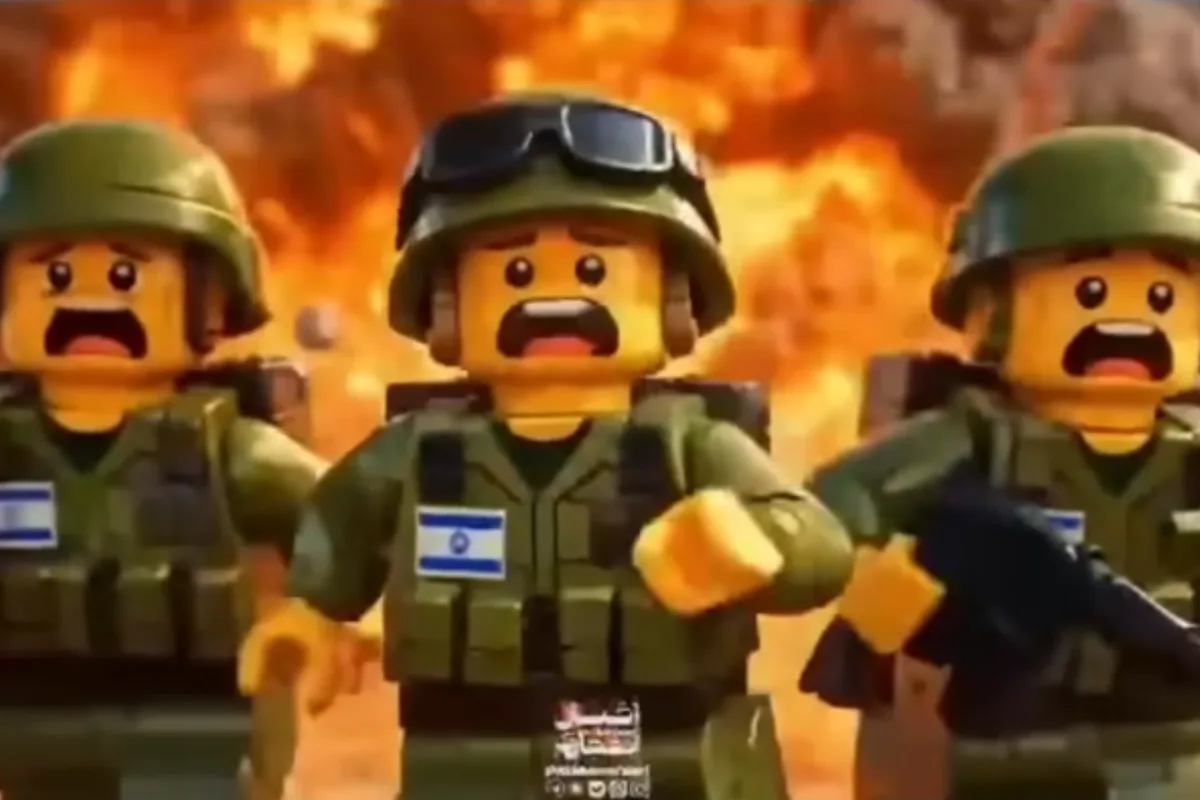
Like a disturbing Lego Movie version of Team America: World Police, a clip posted by Iranian state media represents just one example of the intensifying information warfare between Tehran and Washington. As a very real and deadly conflict rages across the Middle East, both nations are increasingly turning to pop culture references, video game imagery, and AI-generated content to troll each other and shape public perception. Experts warn this trend is deliberately blurring the line between real-life warfare and entertainment, with potentially serious consequences.

The Lego Propaganda Video

Among the most recent and striking examples is an AI-generated video using Lego figures, posted on Iranian state media channels. The two-minute clip opens with Lego representations of US President Donald Trump and Israeli Prime Minister Benjamin Netanyahu, joined by a figure of the devil, examining a folder labeled the 'Epstein file'. The Trump figure then presses a giant red button, launching an American-flagged missile that destroys a Muslim girls' school.

Only a little pink bag and a pair of shoes remain in the rubble, an apparent reference to the bombing of the Shajareh Tayyebeh girls' elementary school in Iran on the first day of the conflict. Iran claims at least 175 people were killed in that airstrike, which UNESCO condemned as a "grave violation of humanitarian law" and which is under investigation by US authorities. In retaliation within the video, Lego Iranian officials press their own red button, sending a bombardment of missiles and jets to destroy a British military base in Cyprus and the American Embassy in Saudi Arabia—both sites that have been targeted by drones in reality.

White House's Video Game Propaganda

The Iranian video follows controversial efforts by the White House on social media platforms. One clip published on the official White House X account shows a character from the Call of Duty video game series ordering an airstrike from his tablet. It then cuts to real footage of US fighter jets taking off from aircraft carriers in the Middle East and bombers striking targets in Iran, all set to music by actor and rapper Childish Gambino.

Another White House clip, published more recently, splices strike footage with a meme of a Grand Theft Auto video game character saying: "Ah s***, here we go again." After each strike, the word "wasted" flashes across the screen, mirroring what GTA players see when their character dies in the game. In response to backlash over this video, White House spokesperson Anna Kelly defended the approach, stating that under President Trump's leadership, America's military is meeting all goals in Operation Epic Fury and that the administration will continue showcasing Iran's military assets being destroyed.

Expert Warnings About Blurred Lines

Dr Iain Overton, director of Action on Armed Violence, emphasizes that these videos deliberately obscure the boundary between war and entertainment. "Visual language borrowed from gaming, memes, etc, reframes violence as spectacle," he explained. "I find something philosophically unsettling about AI-generated propaganda in particular. Traditional propaganda still bore some trace of human intention and of craft. But AI allows states to produce imagery that feels both hyper-real and—in equal regard—detached from reality."

Technology consultant Dr Lukasz Olejnik, a visiting senior research fellow at the Department of War Studies, King's College London and author of "Propaganda," notes that when military actions are blended with computer games or animation, the human brain processes the information differently than when presented through traditional political channels. "The moment you put a Call of Duty kill animation over real strike footage, maybe you destroy that distance," he observed.

The Seriousness of Pop Culture Propaganda

Dr Olejnik warns against dismissing the use of pop culture in propaganda as "childish" or "unserious." "This is a very serious technique," he insists. "Russia resorted to very aggressive actions aimed at its neighbours and Western Europe. In Russia's case, this was also a holistic approach, involving the entire State and information operators, including bots on social networks. This has a use in the war effort."

He further cautions that AI disinformation can have tangible real-world consequences, pointing to the Trump administration's recent campaign to seize Greenland. AI-generated content portraying the Danish territory as American created "deliberate ambiguity about whether it was serious," which then "created a genuine crisis of interpretation in Copenhagen and Brussels." European governments struggled to determine if this represented a real territorial threat, a negotiating tactic, or domestic performance for American audiences, with that uncertainty leading to actual policy consequences.

Celebrity Backlash and Wider Context

The White House's use of pop culture has not gone unchallenged. Comedian Ben Stiller and Halo voice actor Steve Downes both called on the administration to remove clips featuring their work from war montages. "Hey White House, please remove the Tropic Thunder clip," Stiller wrote on X. "We never gave you permission and have no interest in being a part of your propaganda machine. War is not a movie."

Other clips shared by the US in this conflict have incorporated footage from first-person shooter video games like Halo and Hollywood films including Braveheart and Tropic Thunder. This expanding arsenal of pop culture references occurs against the backdrop of a deadly conflict that has claimed hundreds of lives since the United States and Israel launched military strikes on Iran last month, with no end currently in sight.

As both nations continue to deploy Lego animations, video game clips, and AI-generated content in their propaganda efforts, experts emphasize that this represents a significant evolution in information warfare—one that leverages the attention economy of modern technology while potentially desensitizing audiences to the very real human costs of conflict.




