Kremlin Issues Apocalyptic Warning Amid Middle East Crisis
The Kremlin has delivered a stark warning that 'the end of the world is upon us' as tensions escalate in the Middle East following massive US and Israeli strikes on Iran. Vladimir Putin's spokesperson, Dmitry Peskov, issued the doom-laden statement while criticising what he described as a complete breakdown in international law.
Putin's Spokesperson Laments Collapse of Global Order
Dmitry Peskov, speaking on behalf of the Russian president, declared that the foundational principles of international law have effectively ceased to exist. 'To be honest, I don't even understand how anyone can call on others to follow the norms and principles of international law. It no longer exists,' Peskov stated emphatically.
The Kremlin spokesperson elaborated further, suggesting that no clear legal framework has emerged to replace the established international order. 'It is unlikely that anyone can now formulate what law has replaced international law... No one can provide a clear definition,' he remarked, framing the current global situation as a 'perfect storm' of geopolitical instability.
Russia's Limited Options in Middle East Conflict
While Russia appears largely powerless to directly assist Tehran militarily, intelligence sources suggest Moscow might provide limited support through sharing information about American and Israeli military positions. This comes as Iran's Revolutionary Guard threatens to 'set ablaze' any Western tanker attempting to navigate the strategically vital Strait of Hormuz.
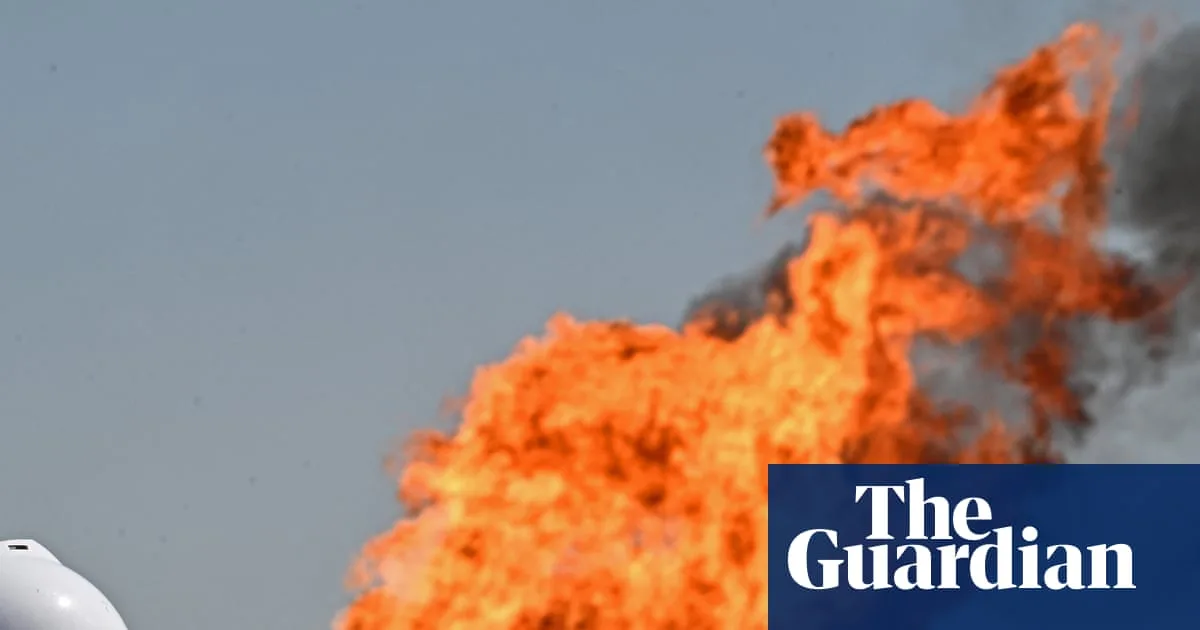
The immediate aftermath of the strikes saw significant damage at Iran's Shahran oil depot on March 8, 2026, with numerous fuel tankers and vehicles rendered unusable. Peskov reflected on the historical context, noting 'There have been worse things in human history... but we weren't alive then, so it seems to us that the end of the world is upon us.'
Oil Markets in Turmoil as Prices Surge Past $100
The Middle East conflict has triggered dramatic consequences in global energy markets, with Brent crude oil prices skyrocketing above $100 per barrel for the first time since Russia's invasion of Ukraine in 2022. The price surge occurred with remarkable speed:
- Prices rose 10% within just one minute of trading
- An additional 10% increase followed within fifteen minutes
- The total increase reached nearly 24% during the trading session
This market turbulence stems primarily from the near-total closure of the Strait of Hormuz, through which approximately one-fifth of global oil supplies normally transit. Hundreds of ships carrying oil and liquefied natural gas have accumulated at either end of the strategic waterway, creating major uncertainty about short-term energy supplies.
Global Response and Economic Fallout
In response to the escalating crisis, an emergency G7 meeting has been convened to discuss potential measures to stabilise energy markets. Key discussion points include:
- The possible release of strategic oil reserves held for such crises
- Coordinated economic responses to market volatility
- Diplomatic efforts to de-escalate regional tensions
UK Chancellor Rachel Reeves will participate in an emergency gathering of G7 finance ministers chaired by France at 1:30 PM GMT, focusing specifically on the economic repercussions of the conflict. Meanwhile, consumers face the prospect of significant increases in petrol prices as higher crude oil costs filter through to retail fuel stations.
The Kremlin's apocalyptic warning underscores the profound geopolitical shifts occurring as major powers navigate this complex crisis, with Peskov concluding that nations must now 'focus on ourselves, our interests, and our potential' in the absence of functioning international legal frameworks.