Royal Diplomacy Under Scrutiny as King Charles Plans US Trip
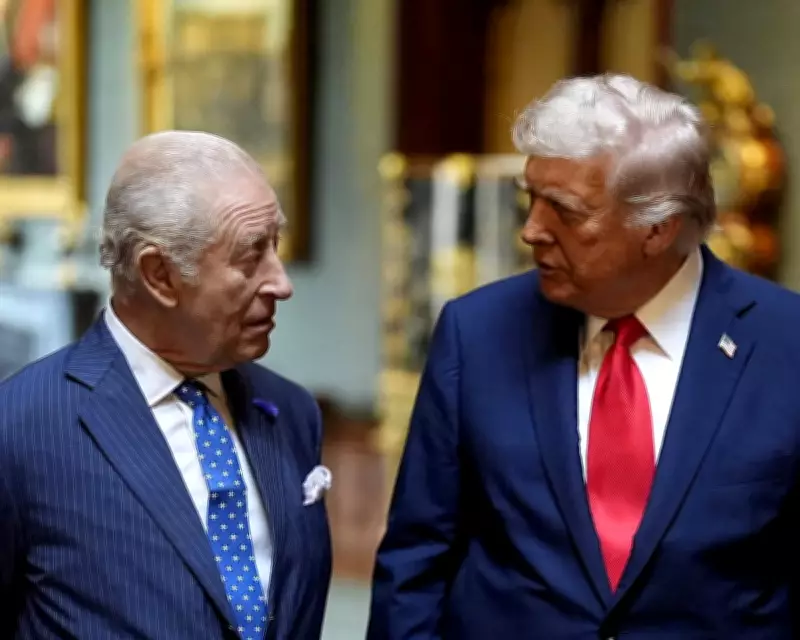
The proposed state visit of King Charles III to the United States in April has ignited a fierce debate among commentators and letter writers, with many expressing deep concerns about the timing and political implications of such a diplomatic engagement. The controversy centers on the potential meeting between the British monarch and former US President Donald Trump, who is expected to host the king during his American tour.
Separation of Monarchy and Politics Questioned
While some argue that the hereditary monarchy's strength lies in its ability to remain above daily political fray, critics contend that this distinction would be lost on a figure like Donald Trump. As one correspondent from Felixstowe noted, "Separating headship of state from daily politics is a virtue of hereditary monarchy, but I am just not convinced that the king's host will be capable of understanding that level of subtlety." The concern is that Trump would interpret the visit as personal tribute rather than diplomatic protocol.
Global Perception and Political Endorsement Concerns
Multiple voices have raised alarms about how such a visit would be perceived internationally. A respondent from Teignmouth warned that "the optics would be awful" and that "the impression around the globe would be that the UK tacitly accepts, or even worse, doesn't care, what the Trump administration is doing in the Middle East and elsewhere." This sentiment reflects broader anxieties about the visit being interpreted as implicit approval of controversial foreign policies.

Preconditions and Symbolic Gestures Suggested
Some correspondents have proposed specific conditions that should be met before any royal visit proceeds. One letter writer insisted that "we can think about a visit once the would-be monarch of America apologises for his most recent slights on our nation," particularly referencing perceived disrespect toward British military personnel who supported American causes. Another suggested symbolic diplomacy, proposing that "should the king be received by Donald Trump at the White House, a suitable gift to present would be a magnificent replica of the Magna Carta in a beautiful gold frame" - a nod to Britain's constitutional heritage.
The American Public's Understanding
Interestingly, several commentators believe the American people would comprehend British reservations perfectly well. As one correspondent noted, "the American people will understand the reasons perfectly well" if the visit were postponed or canceled. This perspective suggests that diplomatic sensitivities transcend national boundaries and that public opinion in both nations might support a more cautious approach to royal engagements during politically charged periods.
Broader Implications for UK-US Relations
The debate extends beyond the immediate controversy to touch on fundamental questions about the role of modern monarchy in international diplomacy. While the king's supporters argue that maintaining traditional diplomatic channels is crucial regardless of political leadership, opponents counter that some political figures require different diplomatic approaches. The discussion highlights the delicate balance monarchs must strike between ceremonial duties and avoiding unintended political endorsements in an increasingly polarized global landscape.
As the April visit approaches, the conversation continues to evolve, with many watching closely to see how Buckingham Palace navigates these complex diplomatic waters while preserving the monarchy's apolitical stature and the United Kingdom's international standing.