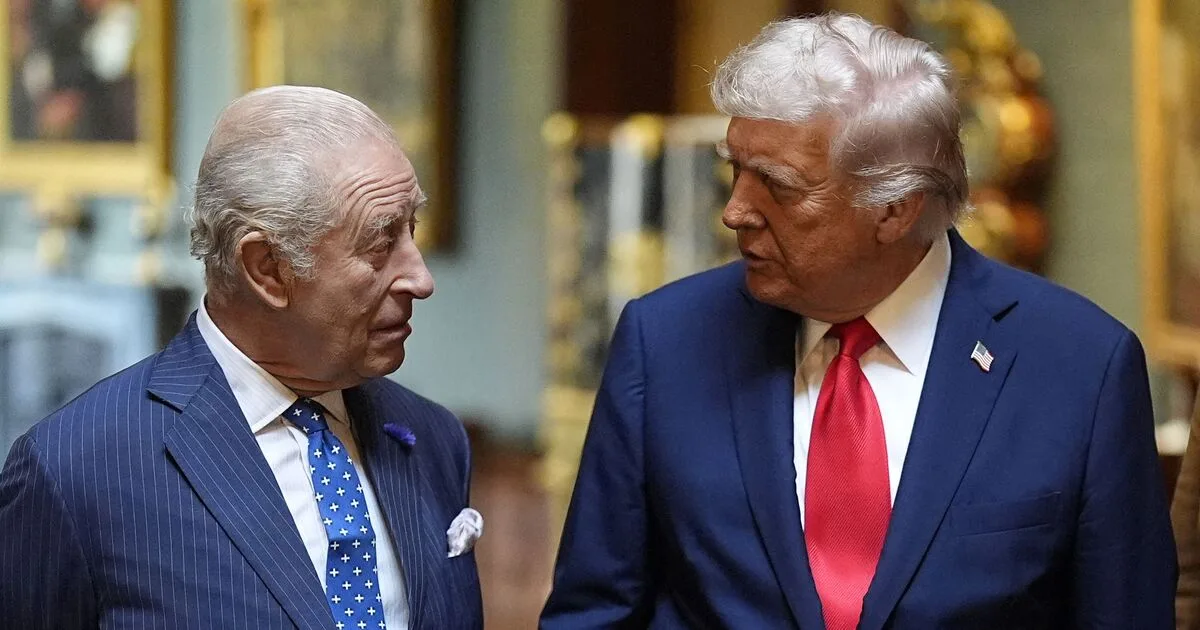
King Charles to Host President Trump for State Visit Amid Controversy Over Military Insults
In a move that has ignited significant debate, King Charles is set to host former President Donald Trump for a state visit to the United Kingdom. This invitation comes despite Trump's history of making derogatory remarks about the UK Armed Forces, which has drawn sharp criticism from commentators such as Peter Hitchens, who views the gesture as a profound insult to British military personnel.
Background of the Controversial Invitation
The decision to extend a state visit invitation to Donald Trump has been met with mixed reactions across the political spectrum. Trump, during his presidency, made several comments that were perceived as disrespectful towards the UK's military capabilities and contributions. For instance, he reportedly questioned the effectiveness of British forces in international conflicts, remarks that many in the UK found offensive and undermining of the long-standing alliance between the two nations.
Peter Hitchens, a prominent British journalist and columnist, has been vocal in his condemnation of the invitation. He argues that hosting Trump in such a formal capacity sends the wrong message, effectively condoning past insults to the Armed Forces. Hitchens emphasises that the state visit, typically reserved for honouring close allies, should not be bestowed upon someone who has publicly disparaged British military honour.
Implications for UK-US Relations
This state visit is seen as a strategic move to bolster UK-US relations, particularly in the post-Brexit era where Britain seeks to strengthen ties with key global partners. Supporters of the visit argue that it is essential for diplomatic and economic reasons, overlooking past controversies to focus on future cooperation. They point to potential benefits in trade, security, and geopolitical alignment, suggesting that the visit could pave the way for enhanced collaboration on issues such as defence and international policy.
However, critics contend that the decision risks alienating segments of the British public and military community. They highlight that the Armed Forces are held in high esteem in the UK, and any perceived slight is taken seriously. By inviting Trump, there is a concern that the monarchy and government are prioritising political expediency over national pride and respect for service members.
Public and Political Reactions
The announcement has sparked a flurry of reactions from various quarters:
- Political Figures: Some MPs have expressed support, citing the importance of maintaining strong transatlantic ties, while others have joined Hitchens in criticising the move as inappropriate.
- Military Veterans: Representatives from veteran groups have voiced disappointment, arguing that the visit undermines the sacrifices made by British troops.
- General Public: Polls indicate a divided opinion, with some viewing it as a necessary diplomatic gesture and others seeing it as a betrayal of military values.
Despite the controversy, preparations for the state visit are underway, with plans for formal ceremonies, meetings with government officials, and public engagements. The event is expected to draw significant media attention, both domestically and internationally, as it unfolds against a backdrop of ongoing debates about national identity and international diplomacy.
Looking Ahead
As the date for the state visit approaches, the focus will likely remain on how King Charles and the UK government navigate the delicate balance between diplomatic pragmatism and national honour. The outcome could have lasting implications for how Britain engages with controversial global figures in the future, setting a precedent for state visits in an increasingly polarised world.
In summary, while the invitation to Donald Trump aims to reinforce UK-US relations, it has undeniably stirred controversy due to his past insults to the Armed Forces. With voices like Peter Hitchens leading the criticism, the visit highlights the complex interplay between diplomacy, military respect, and public sentiment in modern British politics.