Kenyan Intelligence Exposes Alleged Mass Recruitment for Russian War Effort
A newly disclosed Kenyan intelligence report has sent shockwaves through the nation's parliament, alleging that more than 1,000 Kenyan citizens have been recruited to fight for Russia in the ongoing conflict in Ukraine. The report, presented on Wednesday, details a disturbing scheme where individuals were reportedly deceived with false promises of skilled employment in Russia, only to be dispatched to the front lines with minimal preparation.
Parliamentary Leader Accuses Russian Embassy of Collusion
Parliamentary leader Kimani Ichung'wah delivered the report to lawmakers, levelling serious accusations against Russian embassy officials in Nairobi. He claimed these officials collaborated with unscrupulous work recruitment agencies to mislead Kenyans, offering them tourist visas under the guise of legitimate job opportunities. "The Russian embassy officials issued them tourist visas," Ichung'wah stated, emphasising the alleged duplicity involved in the operation.
The report provides a grim breakdown of the recruits' fates:

- 89 Kenyans are currently on the front line in Ukraine.
- 39 have been hospitalised due to injuries.
- 28 are missing in action, their whereabouts unknown.
- At least one Kenyan has been confirmed dead.
- Others have managed to return home, sharing harrowing accounts of their experiences.
Russian Embassy Issues Firm Denial of Involvement
In response to these allegations, the Russian Embassy in Nairobi issued a categorical denial on Thursday. "The Russian Federation does not preclude citizens of foreign countries from voluntarily enlisting in the armed forces," the embassy stated, while asserting it never issued visas to anyone intending to travel to Russia for the purpose of fighting in Ukraine. This statement directly contradicts the claims made in the Kenyan intelligence report, setting the stage for a diplomatic standoff.
Families Plead for Government Intervention as Recruits Share Ordeal
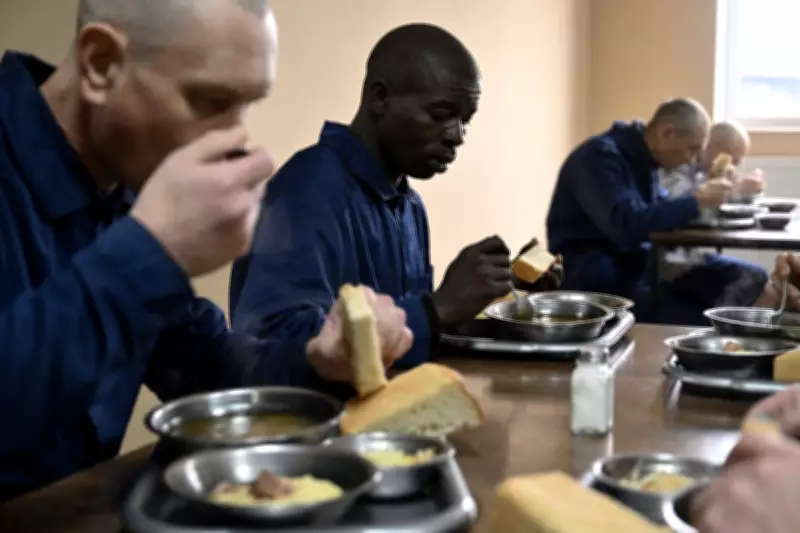
The revelation comes amid growing distress from dozens of Kenyan families who have publicly urged their government to repatriate loved ones stranded in Russia. Some family members fear their relatives are being forcibly conscripted into combat, while others believe they are being held as prisoners of war in Ukraine. Returnees have described being promised positions as electricians or plumbers, only to sign contracts written in Russian—a language they did not understand—and receive little to no military training before being sent into battle zones.
Ichung'wah issued a stern warning to Kenyan officials stationed at the embassy in Moscow, stating they would be held accountable if found complicit in the recruitment scheme. "Any Kenyan officials working in the country’s embassy in Moscow would be held responsible if they are found to have colluded in the scheme," he declared, underscoring the gravity of the situation.
Previous Government Actions and Ongoing Legal Proceedings
Kenya's foreign ministry had previously acknowledged concerns about citizens being misled into travelling to Russia, issuing warnings for people to exercise caution. In a related development, two recruiters were arrested last year in connection with these activities. They have since been released on bail and are awaiting trial, highlighting the legal ramifications now unfolding as this complex international issue continues to evolve.