Jimmy Lai Awaits Life Sentence in Hong Kong National Security Case
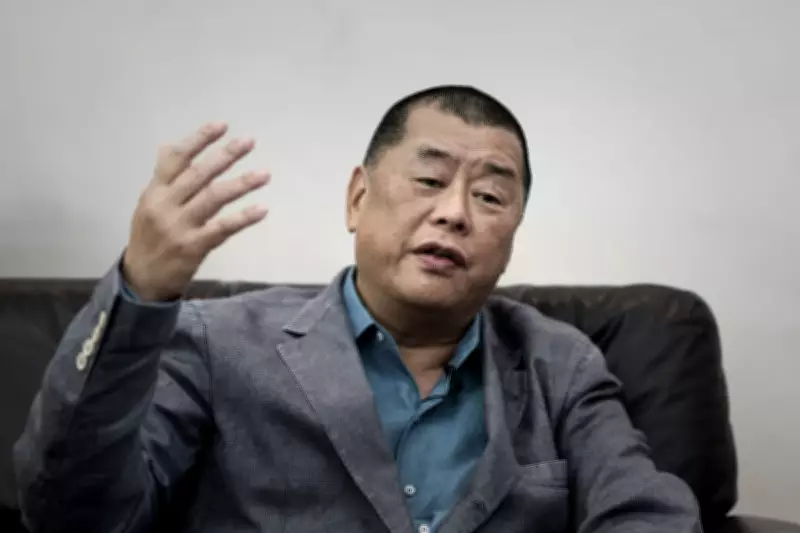
Hong Kong's judiciary is poised to deliver a landmark sentencing decision on Monday, as media mogul Jimmy Lai faces the prospect of life imprisonment following his conviction under Beijing's national security law. The 78-year-old British national, founder of the now-defunct Apple Daily newspaper, was found guilty in December on charges of conspiracy to collude with foreign forces and conspiracy to publish seditious material.
International Scrutiny and Diplomatic Efforts
The case has attracted significant international attention, with both the United States and Britain expressing criticism of the proceedings. During a recent diplomatic visit to Beijing, Prime Minister Keir Starmer engaged in what he described as a "respectful discussion" regarding Lai's situation with Chinese President Xi Jinping, though specific details of their conversation remain undisclosed.
Lai's family has voiced strong dissatisfaction with the British government's response, with his son Sebastien Lai publicly stating that insufficient pressure was applied during Starmer's China visit. "If it is so important then surely there should be some conditionalities put on my father's release," Sebastien Lai remarked during a parliamentary group meeting, emphasizing that fundamental values were being compromised alongside his father's imprisonment.

Deteriorating Health Conditions in Detention
Concerns have escalated regarding Lai's physical wellbeing during his nearly four-year detention in solitary confinement. Family members report that the diabetic media tycoon has experienced significant weight loss, with his teeth rotting and nails falling out. They describe his confinement conditions as particularly harsh, with summer temperatures reaching 44°C in his cell.
Lai's daughter Claire Lai previously told AFP news agency that her father has become "a lot weaker than he was before," highlighting the visible deterioration in his condition since his arrest in 2020 following the pro-democracy protests that swept Hong Kong.
Legal Proceedings and Press Freedom Implications
The marathon trial spanned 156 days beginning in December 2023, with prosecutors alleging that Lai used Apple Daily as a platform to conspire with six former executives and others to produce seditious publications between April 2019 and June 2021. Additional charges involved collusion with foreign forces, including the United States, between July 2020 and June 2021.
Hong Kong's Chief Justice Andrew Cheung has defended the judicial process, warning that calls for Lai's premature release would undermine the city's rule of law. "Such demands not only circumvent the legal procedures established to ensure accountability under the law, but also strike at the very heart of the rule of law itself," Cheung stated recently.
Chilling Effect on Hong Kong Journalism
The conviction has sent shockwaves through Hong Kong's media landscape, with journalists reporting increased self-censorship and fear within newsrooms. Editors now navigate invisible red lines while protecting staff from potential government harassment, fundamentally altering the city's press freedom environment.
When police raided the Apple Daily newsroom in 2021, observers recognized they were witnessing more than a newspaper's collapse—they were seeing the future of Hong Kong journalism. Lai's conviction has formalized this new reality, embedding caution into daily editorial decisions about what can be published and how far journalists can pursue truth without facing intimidation.
As Monday's sentencing approaches, the international community watches closely, with human rights organizations continuing to call for Lai's release while Chinese authorities maintain that the case represents proper enforcement of national security legislation essential for Hong Kong's stability.