New Drama Series Revisits Kennedy Romance Amid Family Criticism
The relationship between John F. Kennedy Jr. and Carolyn Bessette has long been shrouded in romantic legend, with only a single wedding photo publicly released during their lifetime. Their courtship, private 1996 marriage, and tragic deaths just three years later in a 1999 plane crash have become part of American cultural mythology.
Controversial Series Premieres Amid Backlash
FX and Hulu's new series "Love Story: John F. Kennedy Jr. & Carolyn Bessette" premiered on Thursday, attempting to fill the gaps in their story. The show chronicles their meeting at a party, relationship development, and ultimately culminates in the fatal plane crash that claimed their lives along with Bessette's sister Lauren on July 16, 1999.
The series has already sparked significant controversy, particularly from Jack Schlossberg, Kennedy's nephew and son of Caroline Kennedy. Last year, Schlossberg publicly criticized the production, accusing executive producer Ryan Murphy of profiting "in a grotesque way" from his family's tragedy and legacy.

"He's making millions off of my family's trauma," Schlossberg stated, referring to Murphy's involvement. The executive producer responded on California Governor Gavin Newsom's podcast, suggesting it was "an odd choice to be mad about your relative that you really don't remember."
Production Team Defends Ethical Approach
While Murphy was absent from recent press events for the series, executive producer Brad Simpson addressed the ethical concerns surrounding true-story adaptations. A veteran of Murphy's American Crime Story franchise, Simpson told The Associated Press that the creative team remains "fully aware that there are real people and real tragedies often at the heart of these stories."
"I'm not going to pretend like on some level we're not making an entertainment product out of it," Simpson acknowledged, "but we've tried to be ethical and we've tried to be incredibly sincere in our approach."
Cast Members Navigate Sensitive Portrayals
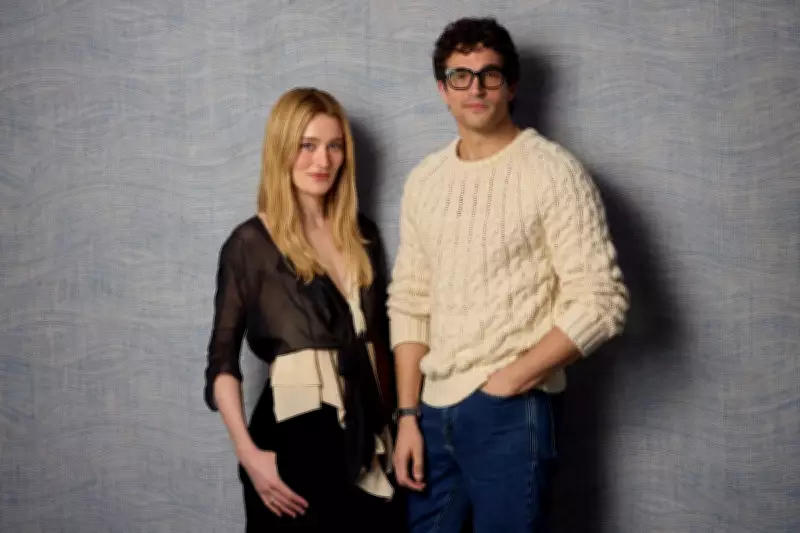
Actors Paul Anthony Kelly and Sarah Pidgeon, who portray Kennedy and Bessette respectively, expressed both care in their performances and respect for Schlossberg's perspective.
"I don't know what it's like to have a TV show or a movie or a book written about my family," Pidgeon said, "and I understand his sensitivities, and I fully support him speaking his mind."
Kelly added: "We tried to have as much integrity and love going into this retelling that I hope people see that genuine intention."
Extensive Research Behind the Production
The series draws heavily from Elizabeth Beller's book "Once Upon a Time: The Captivating Life of Carolyn Bessette Kennedy," while also incorporating additional research. Episodes detail Bessette's career rise at Calvin Klein and Kennedy's struggles to keep his George magazine financially viable.
Creator Connor Hines emphasized the exhaustive research process: "I read every single newspaper article that was written about them, every tell-all. Obviously, all of that material has to be taken with a grain of salt, but we were exhaustive and diligent in how we approached this."
Pidgeon admitted initial concerns about sensationalism but said her experience revealed otherwise: "I felt a fear that we were going to sensationalize this. And then as I got on board the project, that could not be further from the truth."
Historical Context of Kennedy Family Portrayals
This isn't the first time a Kennedy family depiction has faced criticism. In 2011, The History Channel dropped a miniseries starring Greg Kinnear and Katie Holmes after Kennedy associates complained about script inaccuracies. That production eventually aired on Reelz Channel.
Meanwhile, Netflix has announced its own Kennedy project titled simply "Kennedy," focusing on the political dynasty's origins and based on Fredrik Logevall's biography "JFK: Coming of Age in the American Century, 1917-1956." Michael Fassbender is set to portray family patriarch Joe Kennedy Sr. in that upcoming series.

As Love Story continues its run, it raises ongoing questions about where respectful historical portrayal ends and exploitative entertainment begins, particularly when dealing with families who remain in the public eye and tragedies still within living memory.