Six-Decade Prayer Agreement at Jerusalem Holy Site Collapses
A six-decade agreement governing Muslim and Jewish prayer at Jerusalem's most sensitive holy site has collapsed under pressure from Jewish extremists backed by the Israeli government, according to experts. The status quo, established after the 1967 war, stipulated that only Muslims could pray in the sacred compound surrounding al-Aqsa mosque, known to Muslims as al-Haram al-Sharif and to Jews as the Temple Mount.
Police Raids and Arrests Escalate During Ramadan
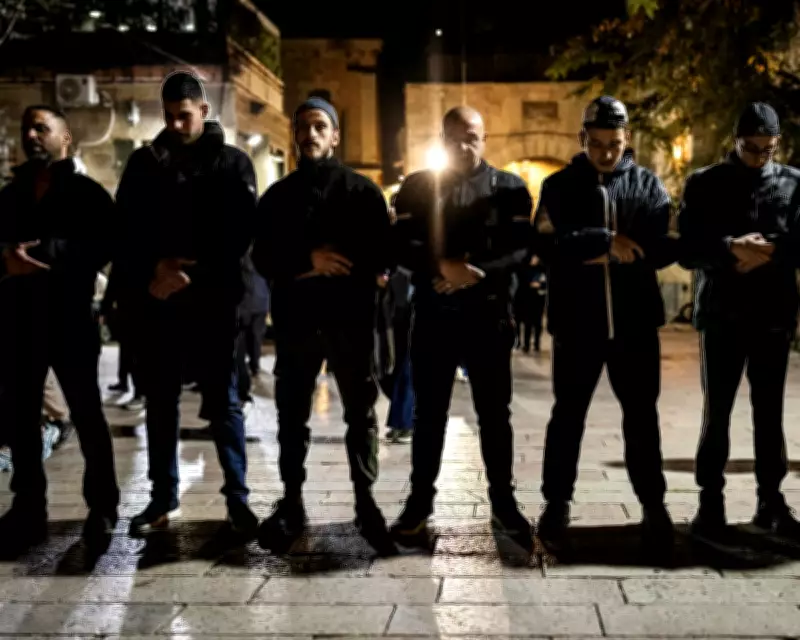
This week, tensions reached a peak with the arrest of the imam of al-Aqsa mosque and an Israeli police raid during evening prayers on the first night of Ramadan. Palestinian Muslim worshippers, banned from entering the compound, were forced to pray outside. Israeli security forces have arrested Muslim caretaker staff, banned hundreds of Muslims from access, and allowed escalating incursions by radical Jewish groups.
The actions by the Jerusalem police and Shin Bet internal security force, both under far-right leadership, represent a significant rupture. Historically, changes to the status quo have ignited unrest, such as Ariel Sharon's visit in 2000 that sparked the second Palestinian intifada, and Hamas's al-Aqsa Flood attack in October 2023, which cited Israeli violations at the mosque.

Far-Right Influence and Provocations
National Security Minister Itamar Ben-Gvir, who has criminal convictions including supporting a terrorist organisation and incitement to racism, has made inflammatory visits to the site and backed unilateral changes. He installed Maj Gen Avshalom Peled as Jerusalem police chief and, with Prime Minister Benjamin Netanyahu's reported backing, allowed Jews to pray and sing in the compound, violating the long-standing agreement.
Daniel Seidemann, a Jerusalem lawyer advising governments, stated, "Al-Aqsa is a detonator. It's usually around a real or perceived threat to the integrity of sacred space. Things are exponentially more sensitive now, with the West Bank as a tinderbox."
Pressure on Waqf and Administrative Measures
In the run-up to Ramadan, the Jerusalem Waqf, the Jordanian-appointed foundation managing the site, faced increasing pressure. Waqf sources reported up to 17 staff in administrative detention without charge by Shin Bet, and at least 42 banned from entering. Six Waqf offices were ransacked, and repairs were prevented, along with restrictions on installing shelters, clinics, and even bringing toilet paper.
The Palestinian-run Jerusalem governorate provided different figures, citing 25 Waqf staff banned and four detained. Neither the Jerusalem police nor Shin Bet responded to requests for comment on these allegations.
Unilateral Changes and Regional Implications
During the first week of Ramadan, police extended morning visiting hours for Jews and tourists from three to five hours, another unilateral change. Amjad Iraqi, a senior analyst at the International Crisis Group, noted, "This Ramadan is especially dangerous due to a confluence of factors. The Israeli government feels less constrained by regional powers, leading to a diffusion of impunity."
With 10,000 Muslims expected to pray at al-Aqsa over Ramadan, the cumulative effect strains the Waqf's ability to cater to worshippers, heightening risks of further conflict in Jerusalem and beyond.