Japan's PM Braces for 'Very Difficult' Trump Meeting Amid Iran War Fallout
Japan's PM Braces for 'Very Difficult' Trump Meeting

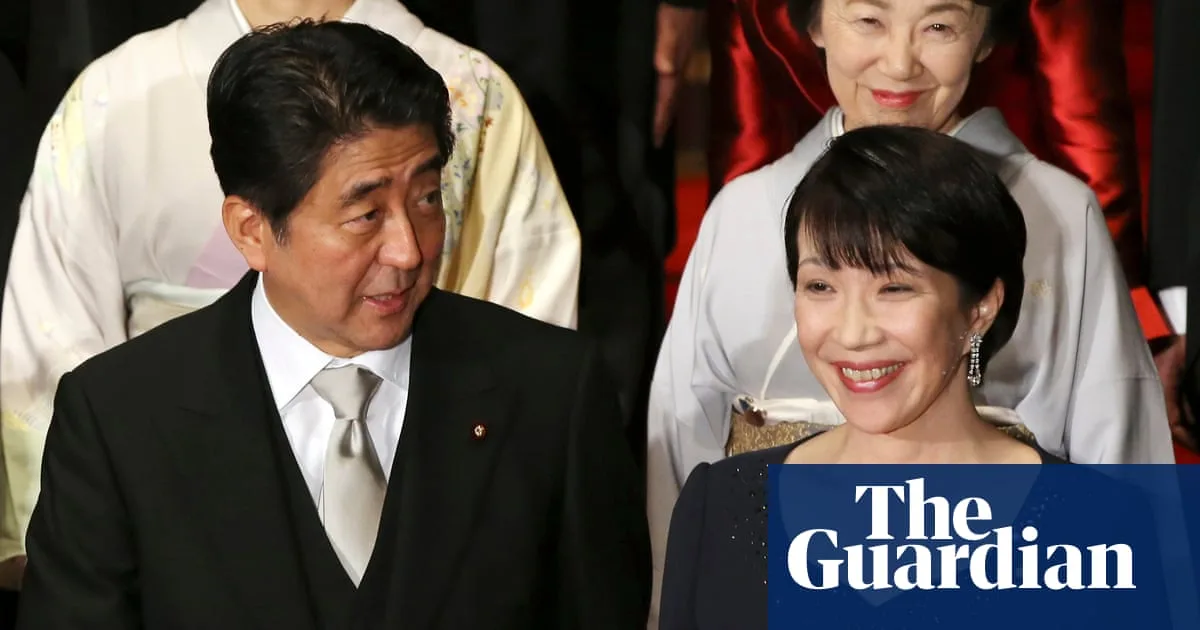
Japanese Prime Minister Sanae Takaichi has publicly expressed that her upcoming meeting with President Donald Trump at the White House on Thursday is expected to be "very difficult." The high-stakes diplomatic encounter is set against the backdrop of the ongoing war between the United States, Israel, and Iran, which began on February 28, 2026, casting a long shadow over international relations and complicating pre-planned agendas.

Diplomatic Tensions and Altered Schedules

Originally, Prime Minister Takaichi was scheduled to meet with President Trump before his anticipated trip to China. However, Trump's visit to China has been postponed indefinitely due to the escalating conflict in Iran, forcing a reshuffling of diplomatic priorities and intensifying the pressure on the Japan-U.S. talks. In a statement to parliament on Wednesday, just hours before her departure for Washington, Takaichi emphasized the gravity of the situation, stating, "I think the U.S. visit will be a very difficult one, but I will do everything to maximize our national interest and to protect the daily lives of the people when the situation changes daily."

Strained Alliances and Security Concerns

President Trump has previously voiced criticism towards U.S. allies, including Japan, for what he perceives as insufficient contributions to safeguarding the critical Strait of Hormuz, a vital maritime chokepoint in the Middle East. Despite later asserting that the United States does not require assistance, these comments have strained bilateral relations and added a layer of complexity to the discussions. Prime Minister Takaichi aims to address these security concerns directly, alongside broader issues such as trade and strengthening the U.S.-Japan relationship.

Wide Pickt banner — collaborative shopping lists app for Telegram, phone mockup with grocery list

The talks are also expected to focus on security dynamics in the Indo-Pacific region, with particular attention on China and Taiwan. As geopolitical tensions rise, Japan seeks to reaffirm its strategic partnership with the United States to ensure stability and counterbalance regional threats.

Economic Implications and Nuclear Deal

Amid the diplomatic challenges, a significant economic agreement is on the horizon. A proposed $40 billion nuclear reactor deal is anticipated, involving collaboration between U.S.-based GE Vernova Inc. and Japan-based Hitachi Ltd. This partnership aims to construct advanced small modular reactors in the United States, representing a major step in energy innovation and bilateral economic cooperation. The deal underscores the multifaceted nature of the U.S.-Japan relationship, intertwining security, trade, and technological advancement.

As Prime Minister Takaichi heads to Washington, the visit is complicated by the far-reaching fallout from the Iran war, which has disrupted global diplomacy and heightened uncertainties. Her mission to navigate these turbulent waters while advancing Japan's national interests highlights the critical role of international dialogue in an increasingly volatile world.

Pickt after-article banner — collaborative shopping lists app with family illustration




