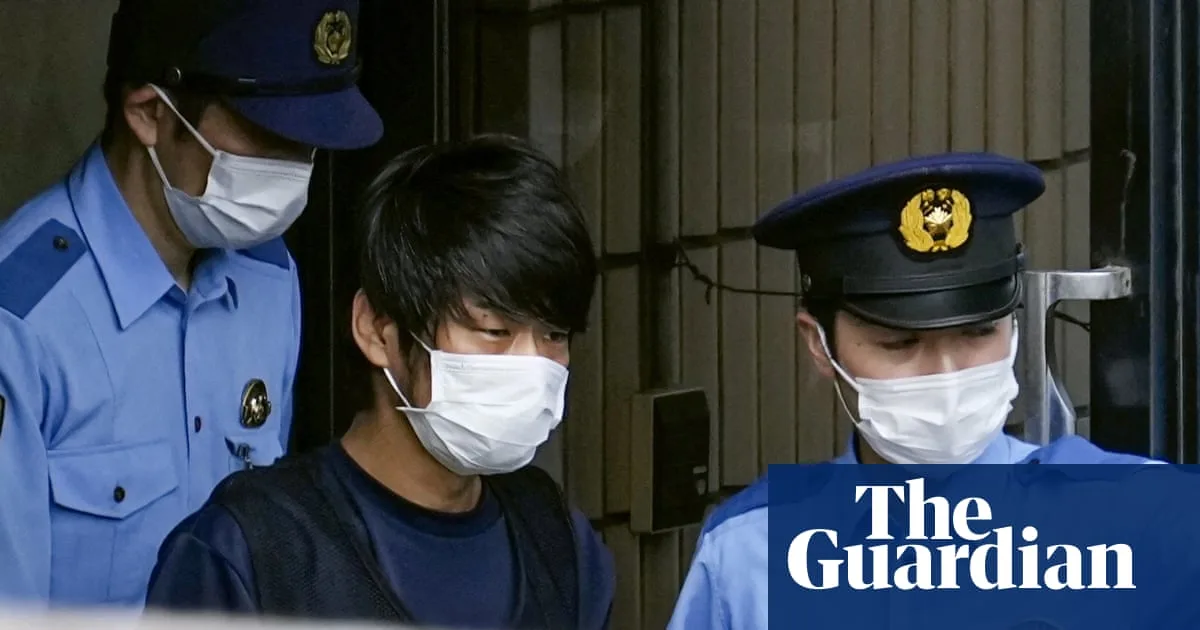
A Japanese court is poised to deliver its sentence on Wednesday against the man who has admitted assassinating former Prime Minister Shinzo Abe, in a landmark case that has exposed decades of cosy connections between Japan's governing party and a contentious South Korean religious organisation.
Assassination That Shook a Nation
Shinzo Abe, one of Japan's most consequential political figures who was serving as a regular lawmaker after his premiership, was fatally shot in 2022 while campaigning in Nara, western Japan. The attack profoundly shocked a nation renowned for its stringent firearm regulations and generally low levels of political violence.
Motivation Behind the Attack
Tetsuya Yamagami, aged 45, entered a guilty plea to murder charges when his trial commenced in October. During proceedings, Yamagami revealed his motivation stemmed from deep-seated animosity towards the Unification Church. He stated that after viewing a video message Abe had sent to a group affiliated with the church, he decided to target the former leader with the intention of harming the organisation and exposing its political connections.
Prosecutors have pursued a life imprisonment sentence for Yamagami, while defence lawyers have argued for a maximum of twenty years, highlighting his troubled upbringing as the child of a church adherent and the psychological impact this had on his development.
Political Fallout and Reforms
The trial revelations concerning intimate links between the ruling Liberal Democratic Party and the Unification Church prompted significant political repercussions. The party subsequently distanced itself from the religious group, while investigations culminated in the Japanese branch losing its tax-exempt religious status and being ordered to dissolve.
Security Overhaul and Public Response
The assassination has catalysed substantial reforms in dignitary protection protocols, with authorities implementing enhanced security measures for political figures during public appearances. Meanwhile, Yamagami's case has generated unexpected public sympathy, with thousands signing petitions requesting judicial leniency and numerous care packages being sent to his relatives and detention facility.
The case has also drawn attention to the experiences of children raised within Unification Church families in Japan, influencing legislative changes including new laws designed to restrict aggressive donation solicitation by religious and other organisations.
The Fatal Campaign Event
Abe was delivering a speech outside a Nara train station on 8th July 2022 when Yamagami approached and fired two shots. Television footage captured the moment gunshots echoed as Abe raised his fist, before he collapsed clutching his chest, his shirt stained with blood. Medical officials confirmed he died almost immediately from his injuries.
Yamagami was apprehended at the scene and later disclosed that he had originally intended to target the Unification Church's leader, but switched to Abe as his primary target due to the practical difficulties of accessing the religious figure directly.
Wednesday's judicial ruling will determine the length of Yamagami's incarceration, concluding a case that has reverberated through Japanese politics, security protocols, and public consciousness while exposing uncomfortable alliances between political power and religious influence.






