Israeli Energy Strikes on Iran Echo Putin's Ukraine Strategy, Risk War Crime Designation
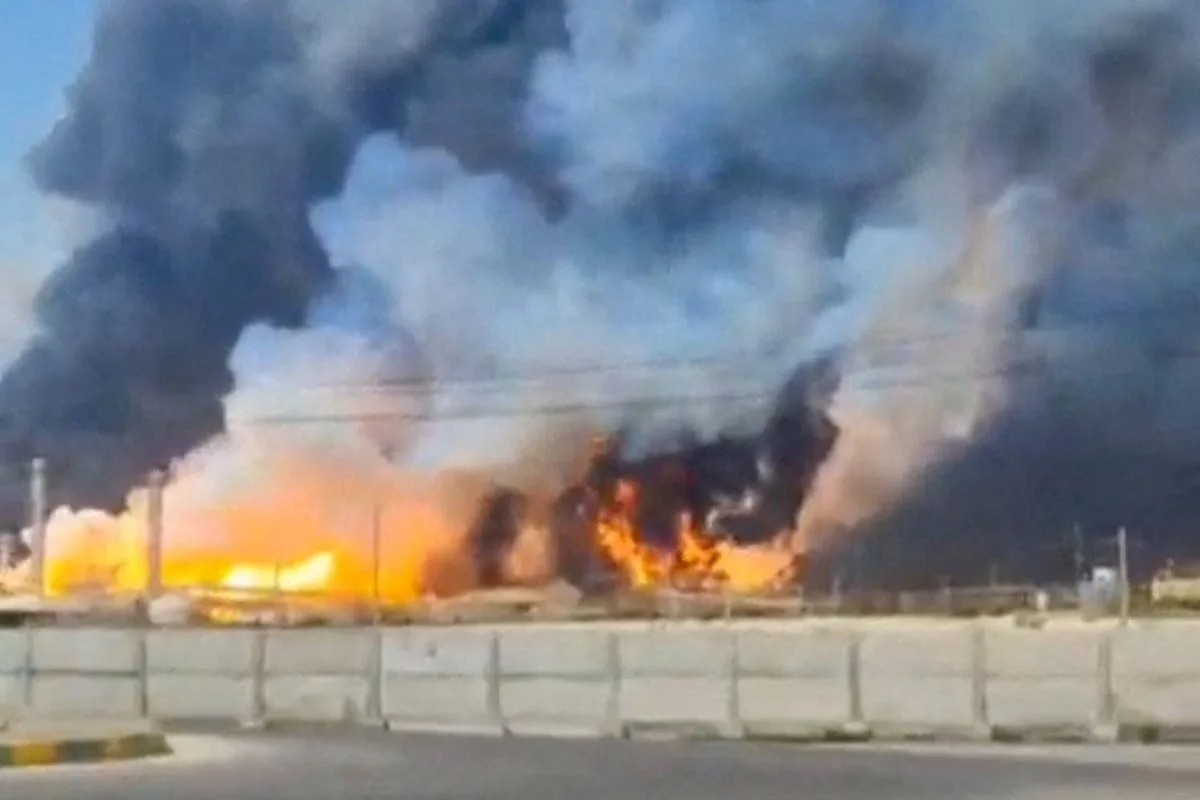
The Israeli military's targeted bombing of Iran's crucial South Pars gas field has drawn alarming comparisons to Russia's systematic attacks on Ukrainian energy infrastructure, with both campaigns potentially constituting war crimes under international law. World affairs analysts note that this strategic approach, designed to cripple industrial capacity and provoke regime change, mirrors tactics employed by Vladimir Putin in Ukraine since 2022.
Parallels to Russian Campaign Against Civilian Infrastructure
On December 5 last year, the British government joined forty-two other nations in condemning Russia's deliberate targeting of civilian energy systems in Ukraine as potential war crimes. Neil Holland, the United Kingdom's representative to the Organization for Security and Co-operation in Europe, stated unequivocally in Vienna that such actions violate the Geneva Conventions' principle of distinction between military and civilian targets.
"Russia's deliberate missile and drone strikes against Ukraine's civilian energy infrastructure constitute a clear pattern," Holland declared, noting these attacks have caused significant civilian casualties, massive infrastructure damage, and left tens of thousands without essential services during Ukraine's harsh winters.
Israel has now implemented an identical strategy against Iran, bombing the South Pars facility that provides approximately seventy-five percent of the nation's natural gas and eighty percent of its electricity generation capacity. This attack represents a direct attempt to shatter Iran's industrial foundation and energy independence through military force.
UN Investigation and Global Energy Market Fallout
United Nations Secretary-General António Guterres stated this week that there exist "reasonable grounds" to believe both Israel and Iran may have committed war crimes through reciprocal strikes on oil and gas facilities. The South Pars gas field, jointly owned by Iran and Qatar, represents the largest natural gas reservoir on Earth and serves as the foundation of Qatar's national wealth.
Following Israel's Wednesday attack that set storage tanks ablaze at South Pars, Iran retaliated by striking Qatar's Ras Laffan industrial city, the world's largest liquefied natural gas export hub. This escalation triggered immediate consequences in global energy markets, with European natural gas prices surging by twenty percent following the Iranian counterattack.
Trump's Unusual Rebuke and Economic Calculations
Former President Donald Trump, typically a staunch supporter of Israeli Prime Minister Benjamin Netanyahu's government, issued an unusual admonishment via his Truth Social platform. Trump claimed the United States had no prior knowledge of Israel's attack and warned against further escalation that could devastate global energy markets.
"Israel, out of anger for what has taken place in the Middle East, has violently lashed out at a major facility known as South Pars Gas Field in Iran," Trump wrote, adding that Qatar had no involvement or advance knowledge of the operation. The former president issued a stark warning that any additional Iranian attacks on Qatari facilities would trigger overwhelming American retaliation against the entire gas field.
Trump's concern appears rooted in economic rather than humanitarian considerations, as rising fossil fuel prices threaten to hobble economies worldwide. This mirrors the unintended financial windfall that has benefited Russia throughout the Ukraine conflict, with Moscow's oil sales generating up to ten billion dollars in extra revenues according to Ukrainian President Volodymyr Zelensky.
Strategic Miscalculation and Historical Precedent
Prime Minister Netanyahu's strategy appears to ignore recent historical lessons from Ukraine, where Russian attacks on civilian infrastructure failed to break Ukrainian resolve or trigger popular uprising against President Zelensky. Instead, these assaults hardened Ukrainian resistance and deepened animosity toward Russia, ultimately placing Moscow on the defensive in the Donbas region.
European nations have thus far declined to condemn Israel's attacks on Iranian energy systems, despite having labeled similar Russian actions as potential war crimes just months earlier. This diplomatic hesitation reflects complex calculations about the legality of the broader conflict and observations of Putin's limited success with comparable tactics over four years of warfare.
There exists no evidence that crippling Ukraine's energy infrastructure broke the nation's spirit, nor any indication that Iranian citizens will rise against their theocratic government while facing fuel shortages imposed by external military action. The strategy of targeting civilian energy systems represents a dangerous escalation with questionable strategic value beyond immediate economic disruption.






