
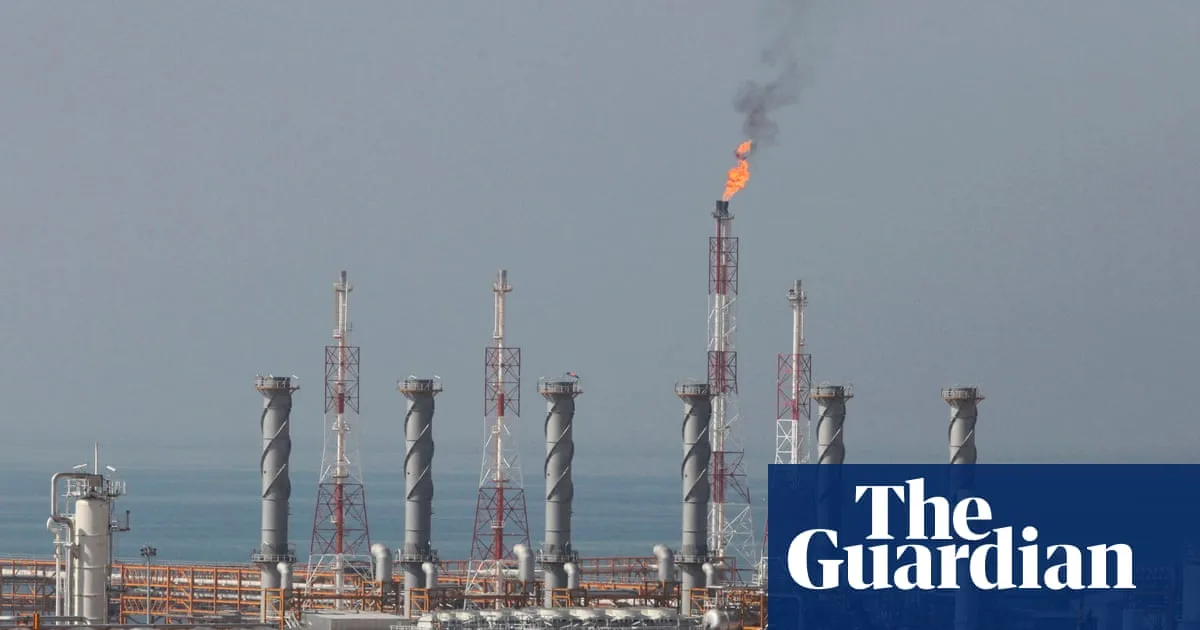
Israel has launched strikes on Iran's South Pars gas field, marking the first time fossil fuel production facilities have been targeted in the ongoing Middle East conflict. The attack represents a significant escalation, with potential long-term consequences for regional energy security.
The South Pars field, one of the world's largest natural gas reserves, is jointly operated by Iran and Qatar. The strikes hit upstream production facilities, going beyond previous attacks on oil and gas infrastructure such as refineries or pipelines.
In response, Iran retaliated by striking Qatar's Ras Laffan gas field, another major production site. This tit-for-tat exchange has raised fears of a broader conflict that could disrupt global energy supplies.
Analysts warn that targeting upstream facilities could have severe economic and environmental impacts, including potential gas leaks and prolonged production halts. The attacks also risk drawing other regional powers into the conflict.
The international community has called for restraint, with the UN urging both sides to avoid further escalation. However, the strikes signal a dangerous new phase in the Middle East war, where energy infrastructure becomes a direct target.




