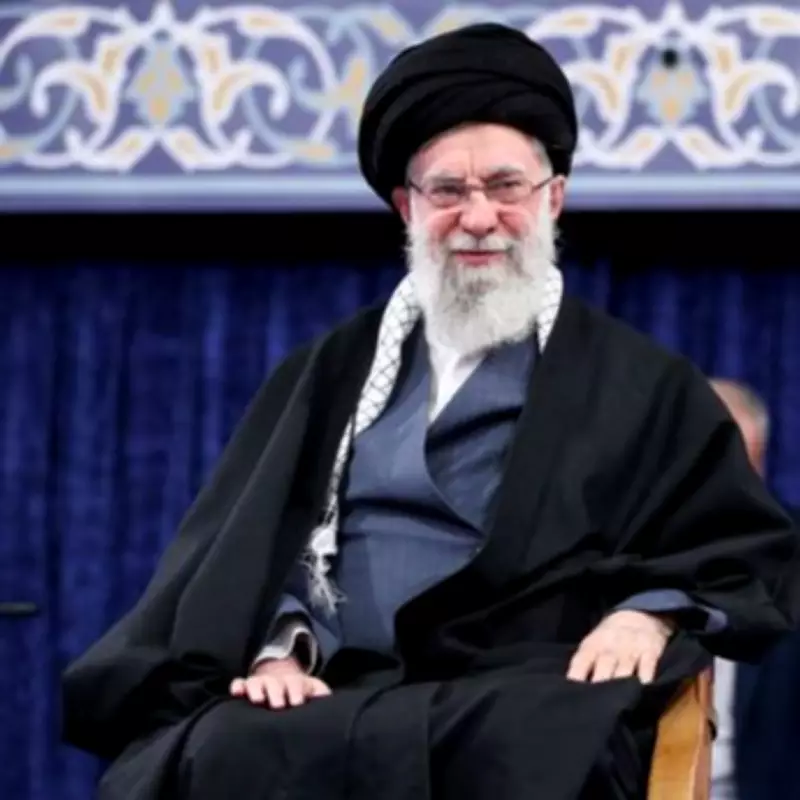
In a stunning revelation, Israel has disclosed that the late Ayatollah Ali Khamenei, Iran's iron-fisted ruler since 1989, was lured to his death and blown up by a missile capable of traveling to the edge of space. The operation, carried out over the weekend, was a joint air strike by US and Israeli forces, marking a dramatic escalation in the ongoing conflict.
Deceptive Tactics and Lethal Precision
The Israel Defence Forces (IDF) explained that Ayatollah Khamenei felt secure enough to meet officials at his compound in Tehran, despite visible American warships off the coast and previous strikes on Iran. This false sense of safety was carefully cultivated through a plan of deception. On the Friday before the attack, the IDF deliberately gave the impression that military operations were pausing for the weekend, releasing photos and information suggesting top leadership and personnel were heading home for Shabbat dinner.
Generals were seen leaving headquarters to return to their families, but they secretly returned later, many in disguise. At approximately 9:40 am local time on Saturday, IDF jets launched about 30 missiles, including Blue Sparrow missiles, targeting the compound in the heart of Tehran.

The Blue Sparrow Missile: A Space-Edge Weapon
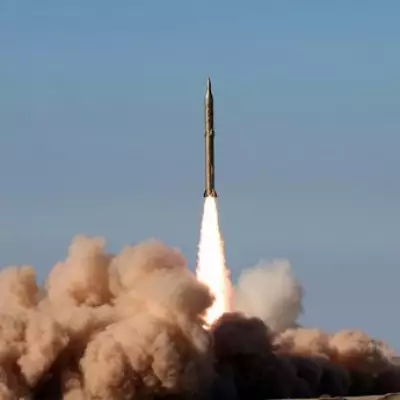
The Blue Sparrow missiles, manufactured in Israel, are a key component of this operation. Originally designed to test air defence systems, these missiles have a range of 1,240 miles and have been adapted for other purposes, including use as air-to-surface weapons. Their high speeds and ability to exit and re-enter Earth's atmosphere make them exceptionally difficult to intercept, providing a strategic advantage in such precision strikes.
Reports indicate that the missiles travel to the edge of space before descending to hit their targets, a feature that likely contributed to the success of the assassination. This technological prowess underscores Israel's advanced military capabilities in the region.
Escalating Conflict and Regional Fallout
Following the attack, Iran has shifted to a war footing, launching retaliatory strikes against neighbouring countries. The conflict has already resulted in significant casualties, with over 1,000 deaths reported in Iran since hostilities began, alongside dozens in Israel and a small number of Americans. The situation worsened with the sinking of an Iranian warship, the Frigate Dena, in the Indian Ocean on Tuesday night, where 87 sailors were killed.
Iran's foreign minister, Abbas Araghchi, condemned the attack, stating that the frigate, which was a guest of India's navy carrying nearly 130 sailors, was struck in international waters without warning. He warned that the US would come to bitterly regret the precedent set by such actions.
Humanitarian and Travel Crisis
The escalating violence has left tens of thousands of British nationals stranded in the Middle East, desperately trying to return home amid the chaos. Travel disruptions and safety concerns have compounded the humanitarian impact of the conflict, with authorities scrambling to assist those caught in the crossfire.
As the region teeters on the brink of wider war, the assassination of Ayatollah Khamenei represents a pivotal moment, highlighting the use of advanced military technology and covert operations in modern warfare. The aftermath continues to unfold, with implications for global diplomacy and security.