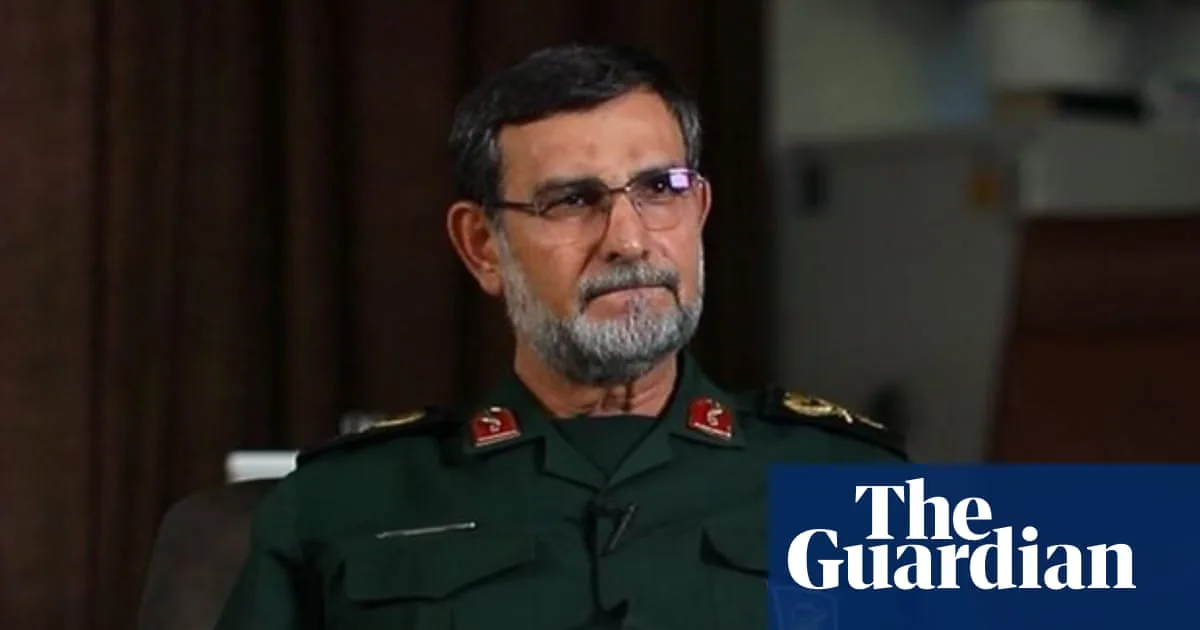
Israel Eliminates Iranian Naval Chief Accused of Blocking Strait of Hormuz
Israel Kills Iranian Naval Commander Over Strait of Hormuz Blockade

In a significant military development, Israel has announced the targeted elimination of a high-ranking Iranian naval commander, whom it accuses of being responsible for blocking the vital Strait of Hormuz. The operation, confirmed by Israeli Defence Minister Israel Katz, marks a major escalation in regional tensions.

Targeted Strike on Senior Iranian Naval Leadership

According to official statements from Israel, Commodore Alireza Tangsiri, the head of the Iranian Revolutionary Guard's navy, was killed in an overnight strike. The operation, which took place on Thursday, also reportedly resulted in the deaths of other senior naval commanders from Iran's military forces.

Accusations of Orchestrating Shipping Disruptions

Defence Minister Katz directly implicated Tangsiri in orchestrating a series of bombing operations that have severely obstructed commercial and military shipping in the Strait of Hormuz. This strategic waterway is a critical global chokepoint for oil transportation, and any disruption there has far-reaching implications for international trade and energy security.

Wide Pickt banner — collaborative shopping lists app for Telegram, phone mockup with grocery list

Katz emphasized that the strike was intended as a clear and unequivocal message to top Iranian military officials, warning them that they would be held accountable and targeted for actions perceived as threats to regional stability. The minister's statement underscored Israel's willingness to take decisive military action against perceived Iranian aggression.

Iran's Response and Regional Context

As of the latest reports, Iran has not officially acknowledged the reported killing of Commodore Tangsiri. The silence from Tehran adds an element of uncertainty to the situation, with analysts closely monitoring for any potential retaliation or official confirmation.

This incident occurs against a backdrop of heightened regional tensions, including recent claims by the Iran-backed Islamic Resistance in Iraq. The group stated that it carried out 23 drone attacks in just 24 hours on a United States military base, highlighting the volatile and interconnected nature of conflicts in the Middle East.

Broader Implications for International Relations

The killing of such a prominent Iranian naval commander is likely to have significant repercussions for diplomatic and military dynamics in the region. It raises concerns about further escalations between Israel and Iran, two longstanding adversaries with a history of proxy conflicts and direct confrontations.

Moreover, this development intersects with broader international issues, such as the ongoing tensions between Iran and the United States. Recent political statements, including attacks on NATO by former U.S. President Donald Trump following Tehran's mockery of peace talk claims, illustrate the complex web of alliances and hostilities that define current geopolitics.

As the situation unfolds, global observers are watching closely to see how Iran will respond and what steps other nations, particularly the United States and its allies, might take in reaction to this targeted strike. The stability of key maritime routes like the Strait of Hormuz remains a critical concern for international security and economic interests.

Pickt after-article banner — collaborative shopping lists app with family illustration