
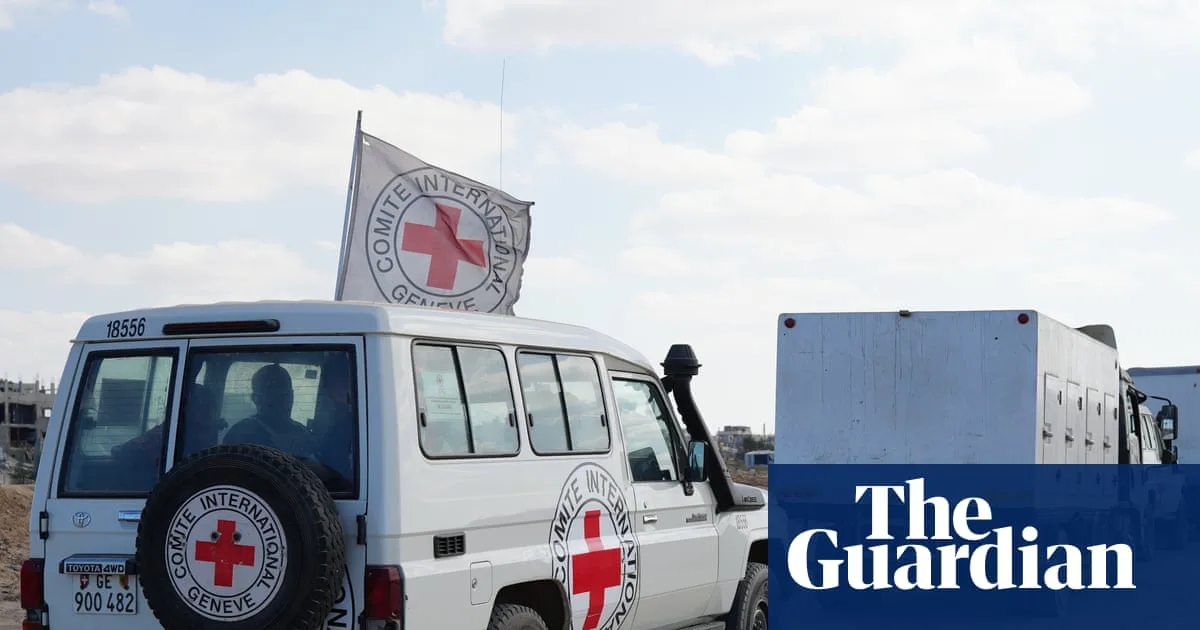
Israel has confirmed that one of the four bodies handed over by Hamas on Tuesday night is not a missing hostage. The Israeli military stated on Wednesday that after examinations at the National Institute of Forensic Medicine in Tel Aviv, the body “does not match any of the hostages”. It demanded that Hamas “make all necessary efforts to return the deceased hostages”.
The handover came amid tensions over the ceasefire agreement, which requires Hamas to return the bodies of deceased hostages in exchange for those of 360 Palestinians killed in the war. However, a hospital in Gaza reported that the 45 anonymous Palestinian remains they received arrived with their hands and legs cuffed. Officials at the Nasser Medical Complex in Khan Younis said some were blindfolded, showed signs of gunshot wounds, or had been run over by tanks.
The Palestinian Center for the Missing and Forcibly Disappeared Persons called on Israel to provide full details on the bodies, including names and circumstances of death. Meanwhile, far-right Israeli Security Minister Itamar Ben-Gvir accused Hamas of “playing games” and urged Prime Minister Benjamin Netanyahu to issue an ultimatum: return all bodies or face a halt to aid supplies. Israel has previously been accused of using starvation as a weapon of war, with famine declared in parts of Gaza in August.
Three of the bodies were identified as hostages Staff Sgt Tamir Nimrodi, 18, Uriel Baruch, 35, and Eitan Levy, 53. The Hostages and Missing Families Forum said Nimrodi was killed by IDF bombings while in captivity. Under the ceasefire, Israel has freed some medical workers seized during hospital raids, but over 100 remain in prison, including Dr Hussam Abu Safiya, director of Kamal Adwan hospital, who has been held without charge for nearly 10 months.




