Israel Drops Charges Against Soldiers Accused of Gaza Detainee Abuse
Israel's top military lawyer has dropped all charges against five soldiers accused of the violent abuse and rape of a Palestinian detainee from Gaza. The military advocate general, Itay Offir, stated that prosecutors lacked key evidence after the victim was sent back to Gaza, and that the conduct of senior officials had affected the chance of holding a fair trial.
Details of the Alleged Abuse
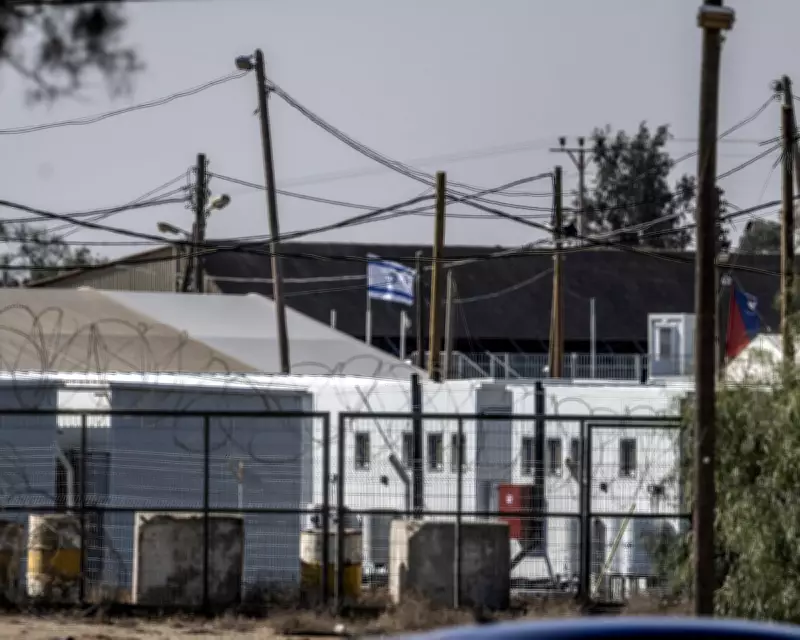
Medical records show the detainee was taken to hospital in the summer of 2024 with severe injuries, including broken ribs, a punctured lung, and rectal damage, according to Israeli media reports on the indictment. The detainee had been held at the Sde Teiman military detention centre in the Negev desert, a facility that has become notorious for allegations of torture and mistreatment.
After the initial arrests of Israeli soldiers in connection with the attack, a far-right mob, including a minister and lawmakers, broke into the base demanding the men's release. This incident highlighted the intense political and social divisions surrounding the case within Israel.

Evidence and Legal Challenges
Israeli media broadcast a video of the attack soon after it occurred. Offir's predecessor has been arrested on suspicion of authorising the leak, in an apparent attempt to defuse anger about the arrests and refute claims the men had been unfairly charged. However, Offir said in a statement that the video did not present a clear picture of the attack, because "the vast majority of the defendants' actions are obscured by shields."
He also noted that the decision to release the detainee back to Gaza as part of the October 2025 ceasefire deal negotiated by Donald Trump meant he could no longer give testimony at trial. The detainee was never charged or tried while in Israeli custody, adding complexity to the legal proceedings.
Political and Public Reactions
Israel's prime minister, Benjamin Netanyahu, welcomed the decision to drop charges, saying it was unacceptable it had taken so long and describing the men as "heroic warriors." This stance has been met with criticism from rights groups and international observers.
Inside Israel, the men's supporters have claimed they were targeted for routine security work in a military detention centre. The five soldiers have not been named publicly, maintaining a degree of anonymity amidst the controversy.
Criticism from Human Rights Groups
Rights groups said the decision raises serious questions about the rule of law in Israel and accountability for abuse and killing of Palestinians during what a UN commission has called a genocidal war. Sari Bashi, the executive director of the rights group Public Committee Against Torture in Israel, stated: "Israel's military attorney general just gave his soldiers licence to rape, so long as the victim is Palestinian."
She added, "[The decision] is the latest in a long line of actions that whitewash abuses against detainees whose frequency and severity have worsened since 7 October 2023."
Suhad Bishara, the legal director of the rights group Adalah, emphasized that this was a particularly strong case "where the world saw security footage of the assault alongside medical evidence of severe sexual and physical abuse." She concluded, "By abandoning the charges, the Israeli military has made clear that those who engage in the torture of Palestinians face no risk of accountability."
Broader Context of Detainee Abuse
There has been only one conviction of an Israeli soldier for assaulting Palestinians in detention over the more than two years of war, despite widespread torture and abuse having been documented in Israel's jail system, including sexualised torture. Dozens of Palestinians have died in captivity, underscoring the gravity of the situation and the challenges in achieving justice.
This case adds to ongoing debates about human rights, military conduct, and international law in the context of the Israel-Gaza conflict, with implications for future accountability and peace efforts.