Israel Defies Trump with Fresh Wave of Attacks on Iran
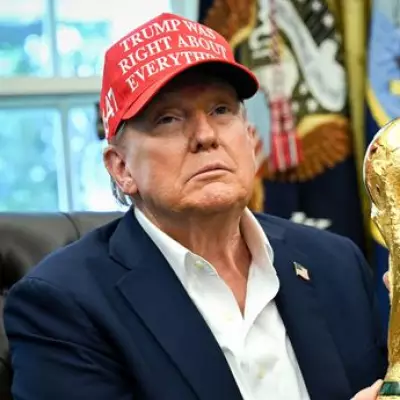
Israel has launched a fresh wave of attacks on Iran this morning, escalating the US-Israeli war on Tehran despite a direct warning from President Donald Trump. The strikes come just one day after Trump urged Israel not to repeat its previous assaults on Iranian natural gas infrastructure, which had sharply intensified the conflict.
Netanyahu Claims Iran Weakened and Praises Trump Cooperation
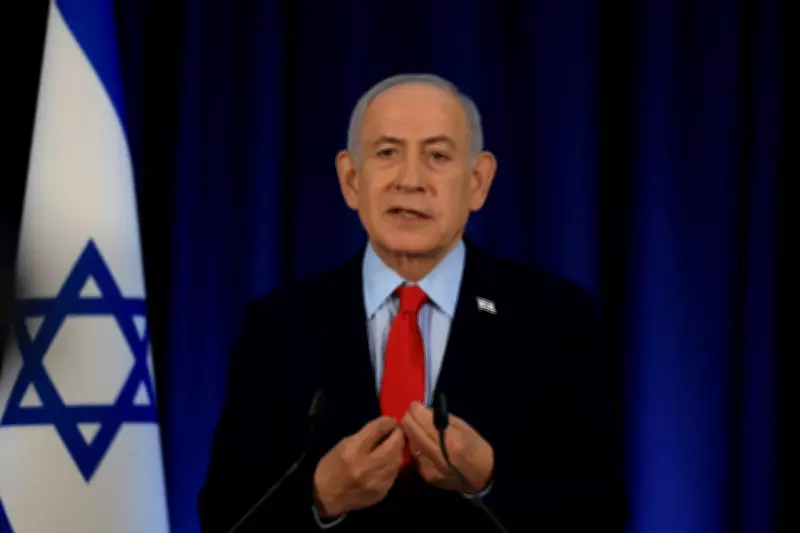
Israeli Prime Minister Benjamin Netanyahu confirmed that Israel acted alone in the bombing of the South Pars gas field and acknowledged Trump's request to hold off on such attacks. In a statement, Netanyahu asserted that Tehran is "weaker than ever" and praised Trump for his cooperation in the ongoing war. He further claimed that after 20 days of sustained air attacks, Iran no longer possesses the capacity to enrich uranium or manufacture ballistic missiles.
Meanwhile, President Trump has suggested he has no plans to deploy American soldiers to the Middle East as the conflict approaches its fourth week. "I'm not putting troops anywhere", Trump declared on Thursday when questioned about potential troop increases in the region.

Regional Escalation and Global Economic Impact
The conflict, which began with US and Israeli strikes on February 28 after failed nuclear talks, has resulted in thousands of casualties and spread to neighbouring nations, severely impacting the global economy. An Israeli Defense Forces spokesperson announced, "The IDF has just begun a wave of strikes against the infrastructure of the Iranian terror regime in the heart of Tehran", though specific details were not provided.
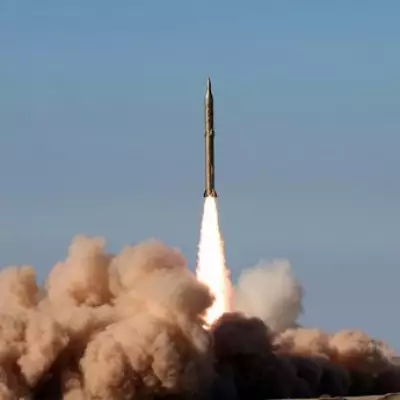
In response to the escalating hostilities, Bahrain, Kuwait, and the United Arab Emirates reported facing missile attacks in the early hours of Friday. These incidents follow days of Iranian strikes on regional energy infrastructure that have roiled global markets, highlighting the widening scope of the conflict.
US Domestic Concerns and Political Reactions
Illinois Governor JB Pritzker, a Democrat, expressed deep concerns about the war's impact on American service members and citizens. "I'm very fearful that there will be more troops sent there, that they'll go into combat", Pritzker told CNN, noting that Illinois National Guard personnel are already on the front lines. He warned that "everybody's gonna suffer", citing rising gas prices across the United States as a direct consequence of the conflict.
In a related development, US Treasury Secretary Scott Bessent floated the idea of lifting sanctions on approximately 140 million barrels of Iranian oil already at sea, a move that caused US oil prices to drop by 1.56 percent to $94.64 a barrel. This proposal comes as oil prices have surged due to the conflict, particularly after Iran effectively closed the Strait of Hormuz, a critical waterway for global oil supply.
International Diplomacy and Awkward Exchanges
Amid the turmoil, Japanese Prime Minister Sanae Takaichi insisted that she and Donald Trump are "best buddies", despite an earlier awkward exchange where Trump made a joke referencing Japan's surprise attack on Pearl Harbor. Takaichi praised Trump and even wished his son Barron a preemptive happy birthday, attempting to smooth over the diplomatic friction.
The United Arab Emirates also announced it had disrupted a terrorist network allegedly funded and operated by Iran and Hezbollah, accusing the operatives of threatening the country's financial stability under a fictitious commercial cover.
As the war continues, regional preparations for Eid al-Fitr prayers in Qatar included safety guidelines, while Iran's national women's soccer team returned home to fan greetings, with some players opting to remain in Australia due to the conflict.