
The Irish Government is agreed on its concerns about joining Donald Trump’s so-called Board of Peace, Deputy Premier Simon Harris has said. The Tanaiste cited the group’s “very peculiar” governance structure and the involvement of Russian President Vladimir Putin as key reasons for hesitation.
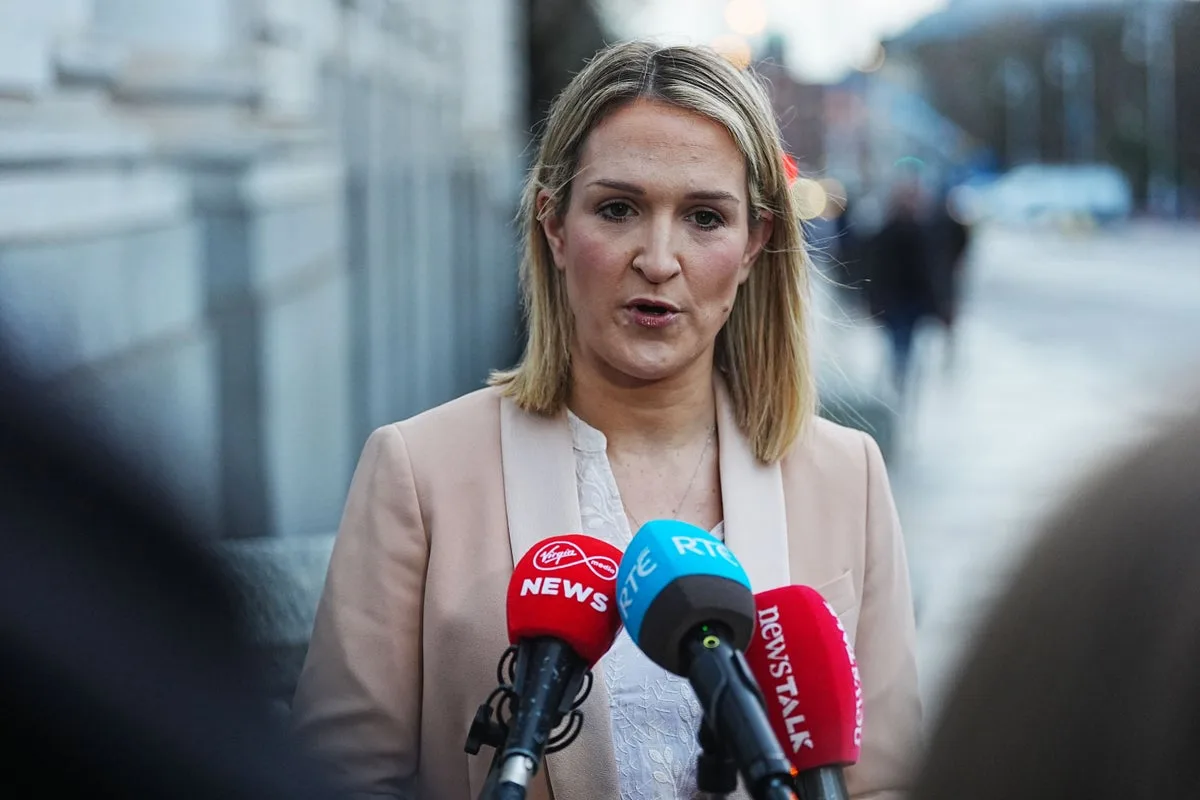
Foreign affairs minister Helen McEntee said Ireland had asked for clarification on whether the board’s remit would focus solely on Gaza and on the reported one billion dollar “price tag” for membership. The board, approved by the UN in November, was originally expected to be a small group overseeing the Gaza ceasefire, but appears to have grown into a wider organisation.
Speaking at a signing event in Davos, US President Donald Trump described the group as having the chance to be “one of the most consequential bodies ever created” and said he was “honoured” to be its chairman. Among the invitees are Mr Putin, Israeli Prime Minister Benjamin Netanyahu, and Belarusian leader Aleksandr Lukashenko.
Taoiseach Micheal Martin said Ireland is “anxious to contribute to conflict resolution” in Gaza, but Mr Harris told the Irish Parliament he cannot see “any scenario” in which Ireland joins the board in its current guise. He said the two positions are consistent, adding that he and Mr Martin agreed on the “very significant red flags”.
“A board that President Putin has been invited to? I mean, there’s a complete oxymoron, ‘Putin’ and ‘peace’,” Mr Harris said. He also questioned the governance structure, noting that the US president would be able to pick his successor and decide who could leave or join the board, and raised concerns about paying a billion dollars and the possibility of the board competing with the UN.
Ms McEntee said clarification is being sought on several issues, including the financial request due after three years of membership. “We cannot join a structure that essentially will try to mimic or undermine the UN Security Council,” she said, adding that Ireland is not saying no immediately but needs more answers.




