Iran's New Supreme Leader Mojtaba Khamenei Reportedly Wounded in Mysterious Incident
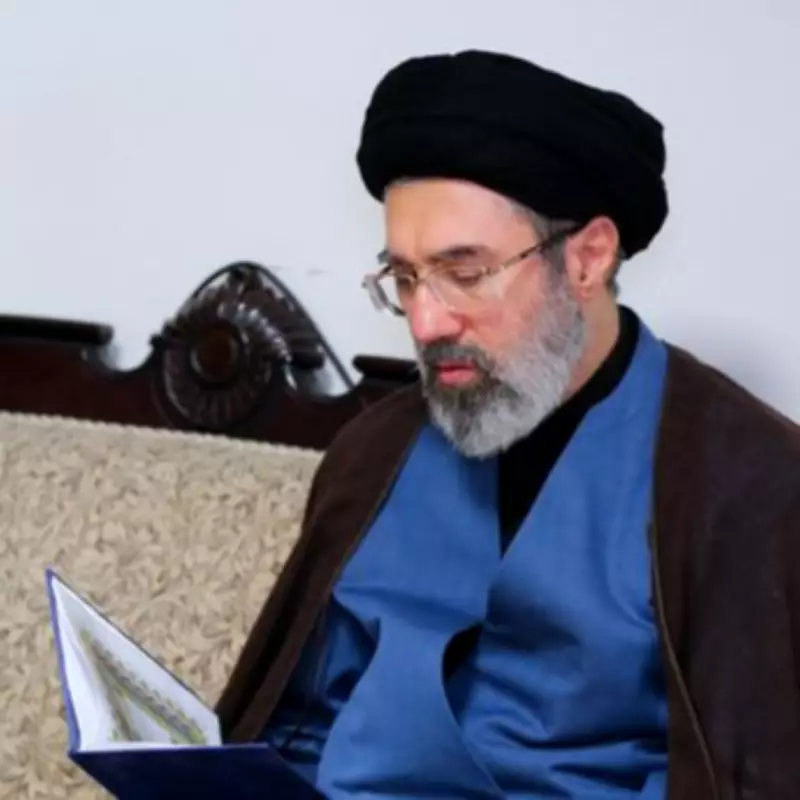
In a startling development, the new Supreme Leader of Iran, Mojtaba Khamenei, has been reported as wounded today, according to breaking news sources. This incident has sent shockwaves through the political landscape of the Islamic Republic, occurring just days after his official appointment to the highest position of authority in the nation.
Details of the Appointment and the Incident
Mojtaba Khamenei, aged 56, is the second son of the late Ayatollah Ali Khamenei, who served as Supreme Leader for decades until his recent passing. The younger Khamenei was formally announced as his father's successor on Sunday, following a decisive appointment by the regime's 88-person assembly of experts. This assembly, composed of senior clerics and political figures, holds the constitutional power to select and oversee the Supreme Leader, making their endorsement a critical step in the transition of power.
The circumstances surrounding Mojtaba Khamenei's wounding remain shrouded in mystery, with initial reports providing few concrete details about the nature or severity of the injury. The timing of this event, so close to his ascension to leadership, has sparked intense speculation and concern both within Iran and on the international stage. Analysts are closely monitoring the situation for any potential implications on the country's governance and stability.
Broader Implications for Iranian Politics
This incident raises significant questions about the security and continuity of Iran's leadership structure. The Supreme Leader holds ultimate authority over the nation's political, military, and religious affairs, making any disruption in this role a matter of national and global importance. The wounding of Mojtaba Khamenei could potentially lead to internal power struggles or shifts in policy direction, depending on the outcome and any subsequent developments.
Moreover, the event underscores the often opaque and unpredictable nature of Iranian politics, where succession processes and internal dynamics are closely guarded. The 88-person assembly's role in this transition highlights the intricate balance of clerical and political forces that define the regime's operations. As more information emerges, observers are keen to understand whether this incident is an isolated occurrence or part of a larger pattern of instability.
In the meantime, the Iranian government has yet to release an official statement regarding the condition of Mojtaba Khamenei or the specifics of the incident. This lack of transparency is likely to fuel further rumours and analysis in the coming days, as the world watches for updates on this breaking story.