
Several Asian countries are negotiating directly with Iran to secure safe passage for their ships through the Strait of Hormuz, after Tehran effectively closed the waterway following attacks by the US and Israel on 28 February. The strait, through which about a fifth of the world's oil and gas normally transits, has seen traffic plummet by 95 per cent, according to maritime tracking platform Kpler.
Iran has created what Lloyd's List Intelligence describes as a 'de facto toll booth regime', a permissions-based system operated by the Islamic Revolutionary Guard Corps. Vessels from friendly countries are escorted through a narrow northern corridor near Larak island. A second, southern corridor near the Omani coastline has recently become operational, according to Windward Maritime Intelligence.
Iran's foreign minister Abbas Araghchi has publicly named China, Russia, India, Iraq, and Pakistan as friendly nations. India was among the first to secure safe transit, reportedly without paying fees. Pakistan was allocated 20 vessel slots by Tehran and is approaching international traders to register ships under the Pakistani flag to take advantage of the exemption.
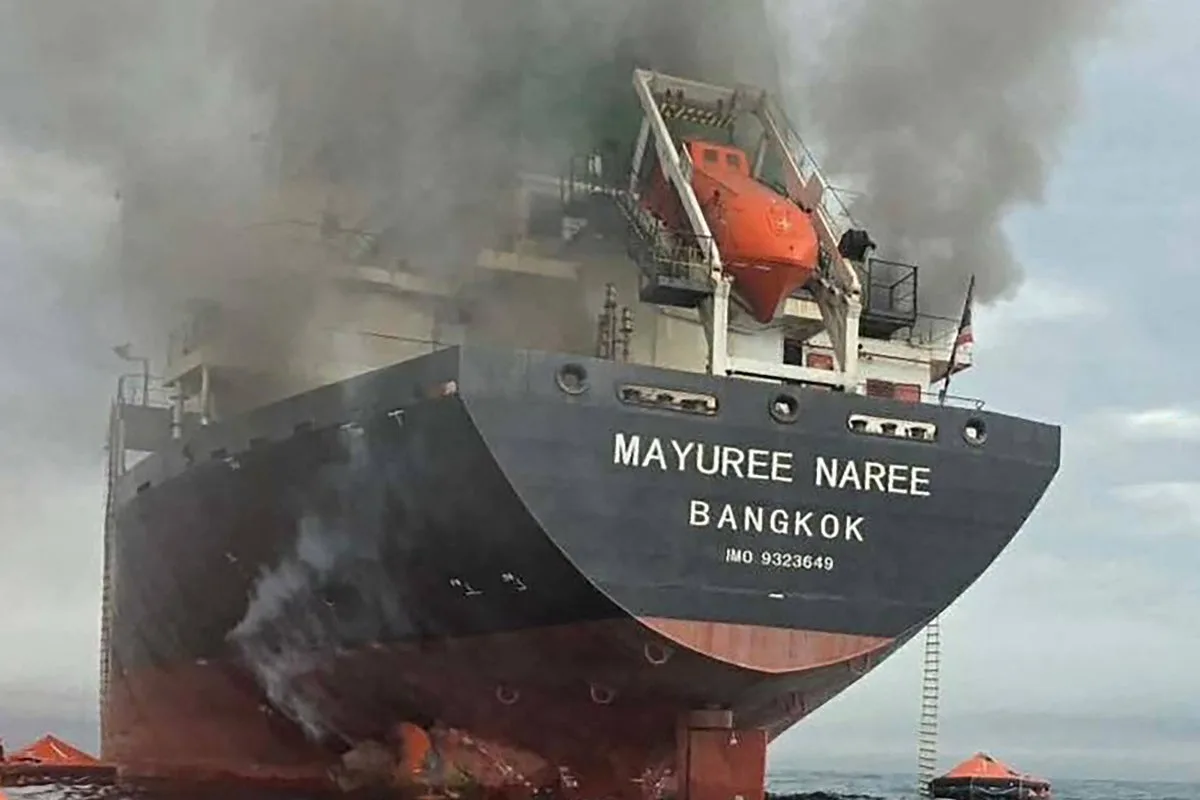
Thailand struck a deal after disruptions that included a Thai bulk carrier being hit by Iranian projectiles in March. Malaysia secured assurances through what its transport minister described as a 'good diplomatic relationship'. The Philippines, despite close US ties, became the latest Asian country to secure an agreement after a 'very productive phone conversation' with Tehran, according to foreign secretary Theresa Lazaro.
China, Iran's largest oil buyer, confirmed that three of its vessels recently transited the strait. Windward's data shows Chinese-linked vessels account for around 10 per cent of the limited traffic, with flows from Kharg Island primarily directed towards Asian economies.




