The Meteoric Rise of Iran's Revolutionary Guard
Iran's paramilitary Revolutionary Guard has transformed into an immensely powerful entity within the nation's theocratic structure, answering exclusively to the supreme leader while controlling ballistic missile arsenals and orchestrating overseas operations. This formidable force has recently drawn intense international scrutiny as the European Union considers designating it a terrorist organisation following its involvement in suppressing nationwide protests earlier this month.
Revolutionary Origins and Constitutional Entrenchment
The Guard emerged from the crucible of Iran's 1979 Islamic Revolution, initially conceived as a protective force for the Shiite cleric-led government before becoming constitutionally enshrined. Operating parallel to Iran's conventional armed forces, the Guard dramatically expanded its influence and capabilities during the protracted and devastating war with Iraq throughout the 1980s.
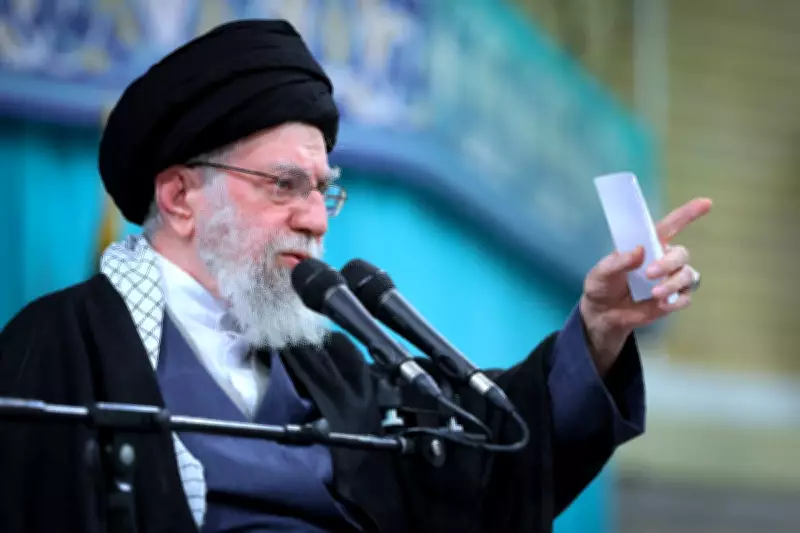
Despite facing potential dissolution post-conflict, Supreme Leader Ayatollah Ali Khamenei empowered the Guard to diversify into private enterprise, enabling unprecedented growth. Today, the organisation oversees a vast economic empire including the massive Khatam al-Anbia construction conglomerate, alongside companies managing infrastructure projects, port operations, telecommunications networks, and even medical services like laser eye surgery.

Foreign Operations and Regional Influence
The Guard's expeditionary Quds Force has been instrumental in developing what Iran terms its "Axis of Resistance" against Israel and the United States. This network has provided substantial backing to Syria's former President Bashar Assad, Lebanon's Hezbollah militant group, Yemen's Houthi rebels, and various regional factions, significantly expanding its reach following the 2003 US-led invasion of Iraq.
American officials allege the Guard trained Iraqi militants in manufacturing and deploying particularly lethal roadside bombs against US forces. The Quds Force and Iranian intelligence agencies are also believed to have employed criminal networks to target dissidents and perceived enemies abroad. Since the latest Israel-Hamas conflict, Israel has detained citizens allegedly receiving Iranian instructions for surveillance or sabotage operations, though Tehran denies involvement.
The Guard is additionally suspected of extensive smuggling operations across the Middle East, further extending its regional footprint.
Intelligence Operations and Diplomatic Leverage
Operating its own intelligence apparatus, the Guard has orchestrated numerous arrests and convictions of dual nationals and individuals with Western connections on espionage charges through closed judicial proceedings. Western nations have repeatedly characterised Iran as utilising these detainees as bargaining chips in negotiations, particularly concerning Tehran's nuclear programme.
Regional Conflicts and Mounting Pressures
The Guard's meticulously constructed "Axis of Resistance" has encountered unprecedented challenges following the October 2023 Hamas attack on Israel that ignited the Gaza conflict. While Israel continues combating Hamas in Gaza, it has simultaneously targeted other Iranian-backed groups, significantly degrading Hezbollah and repeatedly striking Houthi positions in Yemen.
The December 2024 collapse of Syria's Assad government removed a crucial regional ally for Tehran and the Guard. Subsequent missile exchanges between Israel and Iran, overseen by the Guard, escalated tensions dramatically. In June, Israel launched extensive airstrikes against Iranian targets, killing senior Guard generals in initial attacks and disrupting command structures while destroying ballistic missile sites, launchers, and Guard-operated air defence systems.
Domestic Control and Protest Suppression
Within Iran, the Basij—the Guard's volunteer militia—serves as the theocracy's primary instrument for quelling demonstrations. Footage from protests beginning December 28 shows Basij members armed with rifles, batons, and pellet guns, visibly assaulting protesters and pursuing them through urban areas. One prominent Basij commander appeared on state television warning parents to keep children indoors while mobilising forces to suppress dissent.

This multifaceted organisation now represents perhaps the most significant power centre within Iran's complex political landscape, simultaneously projecting influence abroad while maintaining iron-fisted control domestically.