Iran's Regime at a Critical Juncture Following Khamenei's Death
The passing of Iran's supreme leader, Ayatollah Ali Khamenei, has created a profound schism within the nation, eliciting both jubilation and sorrow among its populace. This pivotal event underscores the volatile state of Iran's political landscape, where the regime's future hangs in the balance amid mounting internal and external pressures.
Divergent Reactions Highlight Deep Societal Rifts
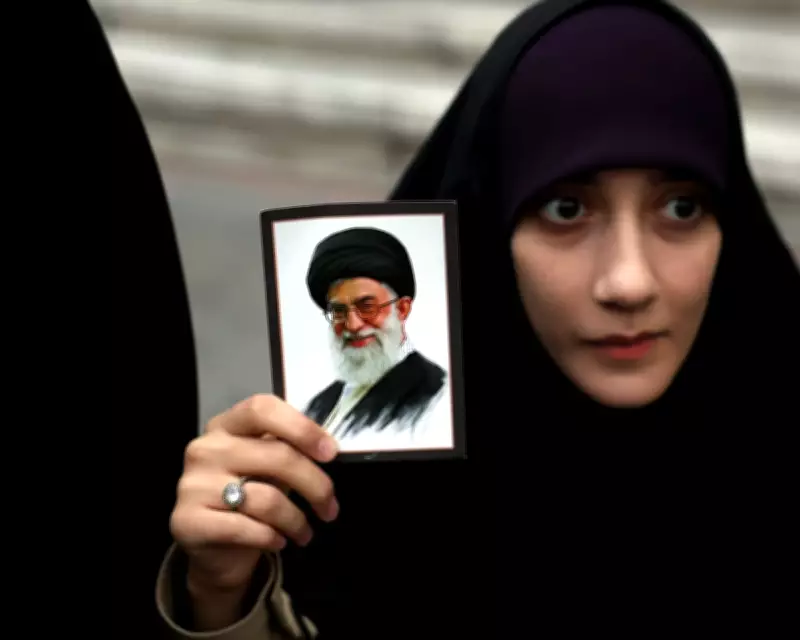
In the aftermath of Khamenei's death, two starkly contrasting Irans have emerged. By night, segments of the population engage in celebratory dances and express hope for an end to clerical dominance and international isolation. Conversely, by day, mourning crowds gather in major cities like Tehran and Isfahan, demanding retribution and lamenting the loss of their revered leader.
While the regime retains significant military control, the sustainability of its current trajectory is increasingly questioned. The leadership faces an extraordinary toll, with key figures such as Maj Gen Shahid Rezaian, Lt Gen Seyyed Abdolrahim Mousavi, and Adm Ali Shamkani among the deceased, many of whom were recently appointed following prior assassinations.

Regional Isolation and Military Strain Intensify
Iran's actions have exacerbated tensions with Gulf states, despite justifications from its Strategic Council on Foreign Relations. Anwar Gargash, a senior UAE diplomat, criticized Iran's aggression as isolating the nation and aligning with American interests. Dr Ebtesam al-Ketbi highlighted that Gulf countries have borne a disproportionate brunt of missile attacks, raising questions about Iran's strategic focus.
Oman, previously spared, has also been targeted, further complicating diplomatic efforts and increasing the likelihood of a military response from Gulf allies. This isolation compounds Iran's challenges, as weapon stockpiles dwindle and regional alliances fray.
Domestic Mobilization and Reformist Dilemmas
Surviving leaders, including Ali Larijani, are rallying domestic support through patriotic appeals, yet morale remains high among protesters who risked their lives in recent demonstrations. However, the prospect of Reza Pahlavi's return is met with skepticism, as reformist groups warn against foreign intervention, emphasizing that external forces could lead to destruction rather than democracy.
Reza Nasri, a lawyer aligned with the foreign ministry, framed the conflict as a choice between national independence and subjugation to foreign powers, reflecting deep-seated hostility towards American influence.
Succession Plans and Regime Stability
In a bid to project stability, an interim leadership has been appointed, featuring figures like Gholamhossein Mohseni-Ejei and Ayatollah Alireza Arafi, ensuring continuity of anti-western policies. The succession process, overseen by the conservative-dominated Assembly of Experts, may lean towards an IRGC-oriented authoritarian to deter further protests.
Rumors suggest the regime might broaden its base by including moderates such as Hassan Rouhani and Mohammad Javad Zarif, acknowledging its weakened state. However, ongoing conflict, as described by Foreign Minister Abbas Araghchi, risks societal implosion, with potential breakdowns in civil order, economic collapse, and ethnic unrest.
International Dynamics and Uncertain Futures
Efforts by Turkey to de-escalate tensions are underway, but the stakes extend beyond nuclear issues to reshaping the Middle Eastern geopolitical order. Donald Trump and Benjamin Netanyahu envision a transformed region, yet lack a clear roadmap. Trump's confidence in potential defections from the IRGC, coupled with cryptic remarks about preferred Iranian leaders, adds to the uncertainty.
As Iran navigates this tumultuous period, the next days will be decisive in determining whether the regime can adapt or faces chaotic collapse, with implications for regional stability and global diplomacy.