Iran's New Supreme Leader Issues First Statement Vowing Revenge
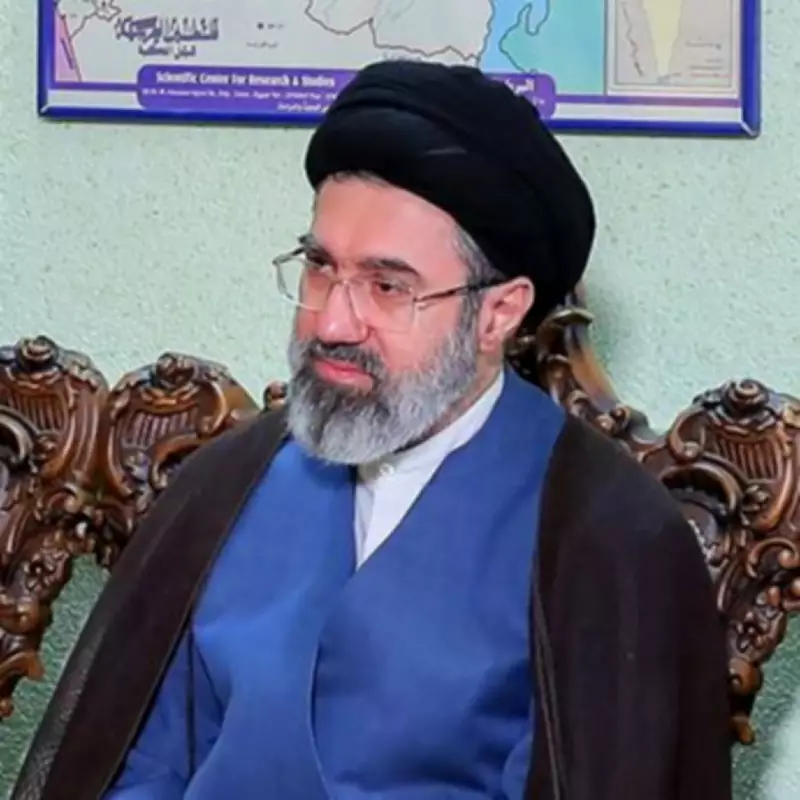
Ayatollah Mojtaba Khamenei, the newly appointed Supreme Leader of Iran, has delivered his first public statement since assuming power following the death of his father. In a message read by a state television news anchor, Khamenei vowed to avenge every Iranian killed in the ongoing conflict with the United States and Israel, promising severe retaliation that extends beyond the martyrdom of his predecessor.
Comprehensive Retaliation Pledged
"I assure everyone that we will not refrain from avenging the blood of your martyrs," declared Khamenei in his statement. "The retaliation we have in mind is not limited only to the martyrdom of the great leader of the Revolution; rather, every member of the nation who is martyred by the enemy constitutes a separate case in the file of revenge." This marks a significant escalation in rhetoric, indicating that Iran intends to pursue vengeance for all casualties, not just high-profile leaders.
The 56-year-old leader, who has not appeared publicly since the conflict began, emphasised the strike on an Iranian school that killed over 165 people as a key motivator for his revenge message. His statement signals a firm commitment to continue the war, which has already disrupted global energy supplies, international travel, and regional stability in the Gulf Arab states.

Strategic Threats and Regional Chaos
Khamenei also promised to maintain attacks on Gulf Arab countries and leverage the effective closure of the strategic Strait of Hormuz against the United States and Israel. This blockade has pushed oil prices back above $100 a barrel, causing significant economic turmoil worldwide. Iran's unrelenting assaults on shipping traffic and energy infrastructure in the Persian Gulf are part of a broader strategy to inflict global economic pain, pressuring adversaries to halt their bombardment.
In his statement, Khamenei called on Gulf Arabs to "shut down" US bases in the region, dismissing Washington's protection promises as "nothing more than a lie." He further hinted at expanding the conflict, stating that Iran has studied "opening other fronts in which the enemy has little experience and would be highly vulnerable" if the war persists. While he did not elaborate, Iran has been linked to previous attacks on US, Israeli, and Jewish targets globally.
Background and Ongoing Conflict
The conflict began on February 28 with strikes that killed Supreme Leader Ayatollah Ali Khamenei—Mojtaba's father—and the younger Khamenei's wife. US and Israeli strikes have exacted a heavy toll on Iran's leadership, military, and ballistic missile programme, but have failed to topple the government. Former US President Donald Trump has stated that ensuring Iran does not develop a nuclear weapon remains a higher priority than soaring oil prices, promising to "finish the job" despite claiming Iran is "virtually destroyed."
Meanwhile, Iran-backed Hezbollah militants launched approximately 200 rockets from Lebanon into northern Israel, with sirens and loud booms from interceptions heard in other areas. Israel responded with another wave of attacks on Tehran and Lebanon, where 11 people were killed. The UN refugee agency reports that up to 3.2 million people in Iran have been displaced by the war, with most fleeing from Tehran and other major cities to northern or rural areas. Additionally, around 800,000 people have been internally displaced in Lebanon, raising fears of a humanitarian crisis.
As the new Supreme Leader steps into his role, his first statement underscores a defiant and aggressive stance, setting the stage for continued regional and global instability. The vow to avenge every martyr and maintain strategic pressure points like the Strait of Hormuz highlights Iran's determination to prolong the conflict despite significant losses.