Iran's Calculated Strategy: Outlasting American Will in Asymmetric Conflict
While Iran possesses a military budget constituting less than one percent of global spending compared to America's dominant thirty-seven percent share, Tehran is not pursuing conventional victory. Instead, the regime is deploying a sophisticated insurgency playbook designed to exhaust US political resolve, forcing a withdrawal that would allow Iran to claim strategic success. This approach mirrors historical patterns from Vietnam to Afghanistan, where superior American firepower failed to translate into lasting political wins.
The Four Pillars of Iranian Insurgency Tactics
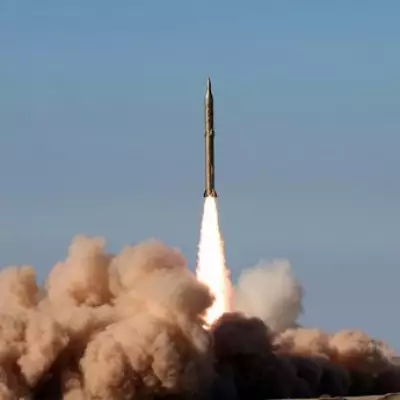
Provocation Through Escalation: By striking critical infrastructure and military bases across the Persian Gulf, Iran aims to provoke disproportionate US retaliation. This serves dual purposes: diminishing domestic support within Iran as civilian casualties mount, and eroding American public backing for prolonged conflict. Recent polling indicates only twenty-seven percent of Americans support the war, creating significant political pressure on the administration. Should Iran succeed in drawing US ground forces into the region, it would enable a full-scale insurgency with even greater human and political costs.
Spoiling Regional Alliances: Iran's attacks on Gulf neighbors—including Saudi Arabia, the United Arab Emirates, and Qatar—represent a calculated risk to undermine decades of American security partnerships. By targeting these nations, Tehran aims to fracture the increasingly close relationships between Gulf states and Washington, potentially reshaping the Middle Eastern security landscape in Iran's favor despite its regional isolation.

Asymmetric Warfare and Economic Leverage
Light Weapons and Naval Dominance: Having lost conventional naval capabilities early in the conflict, Iran has adopted asymmetric maritime tactics using fast-attack boats, naval mines, and midget submarines specifically designed for the Gulf's shallow waters. This strategy has effectively granted Tehran control over the Strait of Hormuz, restricting global flows of oil, critical minerals, and liquefied natural gas, thereby weaponizing economic disruption.
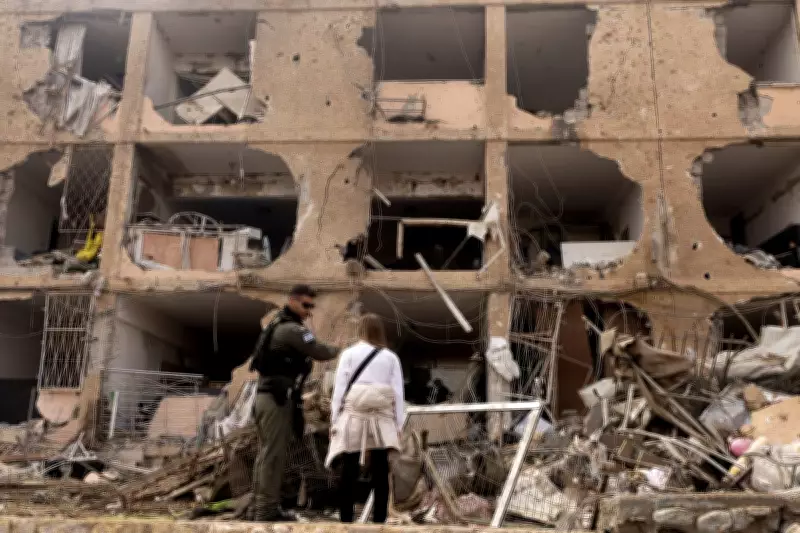
Targeting Civilian Infrastructure: Iran's systematic attacks on airports, water desalination plants, and energy facilities across the Gulf serve multiple strategic purposes. These actions pressure neighboring governments by threatening their economic and humanitarian assets while creating widespread population anxiety. The temporary closure of major transport hubs like Dubai International Airport demonstrates how civilian targeting amplifies global economic consequences, increasing international pressure for American disengagement.
The Endgame: Survival Beyond American Political Will
Historical precedent suggests that weaker military actors can achieve strategic victories by simply outlasting their opponents' political endurance. Iran's regime, while potentially weakened in the long term, needs only to survive longer than American willingness to sustain conflict. The combination of rising US casualties, economic costs, domestic political pressure, and international diplomatic strain creates conditions where withdrawal becomes increasingly attractive despite military superiority.
Potential US Counterinsurgency Pivot
For America to alter this trajectory, a fundamental strategic shift toward classic counterinsurgency principles would be required—damaging enemy capabilities while winning civilian support. Previous conflicts in Iraq and Afghanistan offer lessons, but current operations have prioritized military strikes over population protection. Civilian infrastructure destruction, including the reported bombing of a girls' school with significant child casualties, has undermined potential trust-building. Meaningful protection of civilian assets and lives in military operations could represent a crucial first step toward changing the conflict's dynamics, though clear exit strategies remain elusive.
The ultimate outcome may hinge less on battlefield dominance than on which nation better withstands the accumulating political, economic, and human costs of prolonged asymmetric warfare.