Iran's Ayatollah Demands 'Shedding of Trump's Blood' After US Sinks Warship
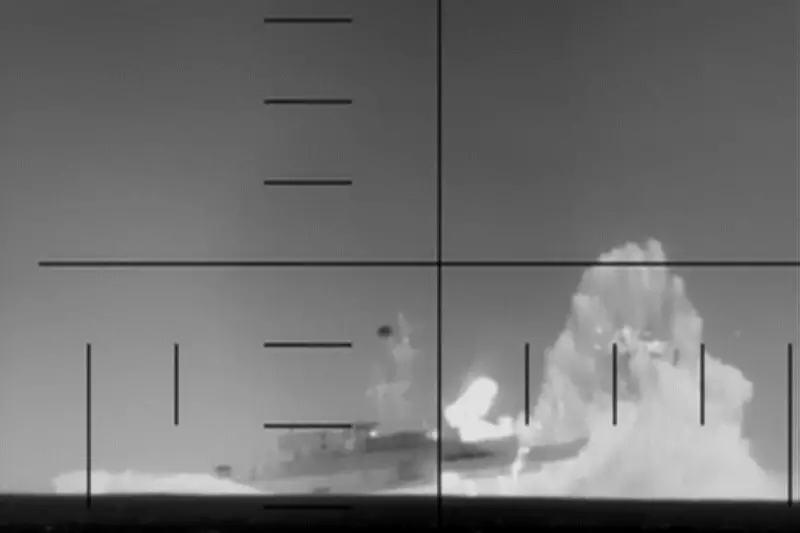
Senior Iranian cleric Ayatollah Abdollah Javadi Amoli has issued a chilling call for "the shedding of Trump's blood" in response to a United States submarine attack that sank the Iranian warship Iris Dena. The incident occurred in the Indian Ocean on Wednesday, resulting in at least 87 fatalities and significantly escalating regional tensions.
State Television Broadcast and Escalating Threats
Appearing on Iranian state television, the Ayatollah delivered a rare statement that also demanded "the shedding of Zionist blood", referencing Israel. He insisted the United States would "bitterly regret" torpedoing the IRIS Dena and declared that the attack on the warship in Sri Lankan waters showed Iran was "on the verge of a great test".
Military Escalation and Regional Violence
Violence has intensified for a sixth consecutive day, with Iranian drones striking Azerbaijan and new attacks targeting Israeli and American military bases. Meanwhile, Tehran itself experienced heavy bombing, further complicating the volatile situation.

US Military Claims and Counter-Operations
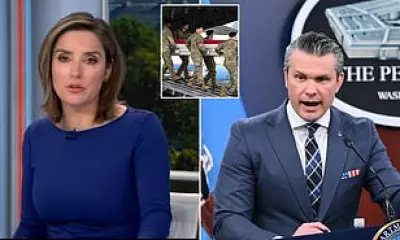
US Defence Secretary Pete Hegseth claimed that the Iranian navy was effectively "at the bottom of the Persian Gulf" following recent operations. US Central Command reported sinking over 20 Iranian vessels and significantly reducing their drone and missile activity in the region.
Broader Implications and Diplomatic Fallout
The Ayatollah's explicit call for violence against former US President Donald Trump marks a severe deterioration in US-Iran relations. This incident follows years of strained diplomacy and proxy conflicts, now potentially entering a more direct and dangerous phase. The sinking of the Iris Dena represents one of the most significant naval losses for Iran in recent decades, with analysts warning it could trigger broader military confrontations across the Middle East.
International observers are closely monitoring whether this rhetoric translates into actionable threats, as regional stability hangs in the balance. The United Nations has called for immediate de-escalation, though neither side has shown willingness to back down from their current positions.