Iran stands at a potential historic crossroads, with mass protests and violent clashes presenting the most severe challenge to its clerical leadership in decades. Analysts suggest the ongoing uprising could hold significance on a par with the French Revolution, marking a pivotal shift not just for the region but for the global order.
Streets in Flames as Regime Cracks Down
The situation in Iran has escalated dramatically. Hundreds of thousands of protesters have flooded streets across the nation, driven by anger over crippling economic conditions exacerbated by international sanctions. The currency's collapse and soaring costs for basic goods have ignited widespread fury.
In a stark response, authorities have engaged in a brutal crackdown. Reports indicate that at least 38 protesters have been killed and more than 2,200 individuals arrested in clashes demanding regime change. Facing an unprecedented wave of dissent, the government took the drastic step of cutting internet access nationwide, particularly as government buildings in Tehran were set ablaze.

Why This Protest Wave Feels Different
While the Islamic Republic has weathered previous storms—such as the 2009 election protests and the 2022 unrest following Mahsa Amini's death—the current crisis exhibits distinct and potentially more dangerous characteristics for the regime.
A profound cultural shift is visibly underway, especially among the post-1979 generation. In major cities, the abandonment of the obligatory headscarf by women of all ages signals a bold rejection of clerical authority. This silent rebellion is compounded by a dramatic fall in attendance at ordinary mosques, indicating a widespread turn away from state-mandated Islam.
Economically, the regime's foundations are weakening. Depleted oil revenues due to sanctions have eroded the funds used to buy loyalty from security forces and key population segments. A telling moment of this erosion occurred in the city of Abadan, where police units reportedly laid down their arms and joined the demonstrators.
A Historical Parallel: Storming the Bastille, Not the Berlin Wall
Oxford's Crisis Research Institute director, Mark Almond, argues that comparing Iran's unrest to the 1989 fall of the Berlin Wall is misleading. Instead, he draws a parallel with the storming of the Bastille in 1789, which ignited the French Revolution.
Like that historic event, the Iranian revolt targets a domestically generated ideological regime, not one imposed by an external power like the Soviet Union. The symbolism is powerful: where France's Marianne wears a red headscarf as a symbol of liberty, Iranian women are defiantly casting theirs off.
The potential consequences are similarly grave. Almond warns that the regime's collapse could trigger a brutal purge, echoing the executions of the French Revolution and the mob justice seen in Iran in early 1979. Regional instability could follow, particularly in ethnically distinct areas like the Kurdish west and Balochistan in the southeast.
An Uncertain Future and Global Implications
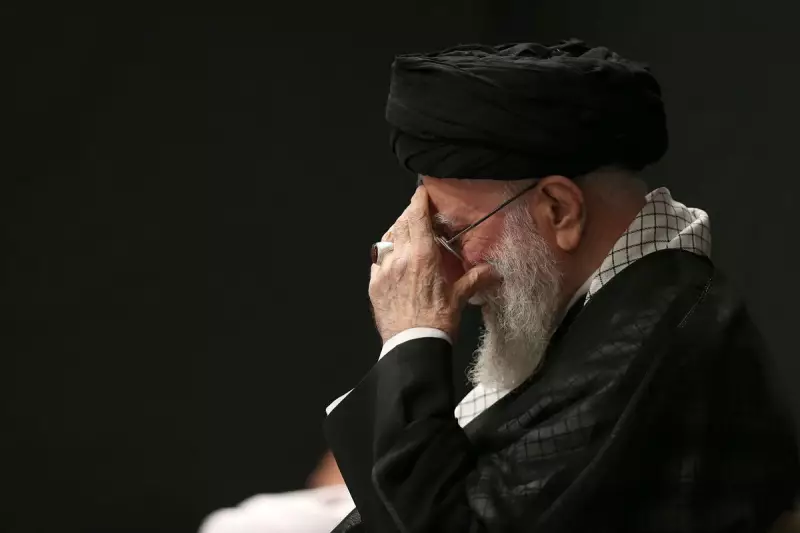
The path forward remains highly uncertain. While Supreme Leader Ayatollah Khamenei has delivered defiant speeches to hand-picked loyalists, the absence of broad public support is telling. The regime's survival may hinge on its ability to brutally suppress dissent, as security forces with "nowhere to run" fight to maintain control.
Internationally, the outcome carries significant weight. The United States and its allies could move swiftly to lift sanctions on a new, post-revolutionary Iran, offering vital economic relief. However, such support would likely be contingent on a complete halt to Iran's nuclear programme, a key demand for nations like Israel.
For now, the world watches as events unfold across Iran. Whether this uprising becomes a footnote or a chapter as consequential as the French Revolution remains to be seen. The hope, as Almond concludes, is for a peaceful and democratic resolution, however history ultimately records this turbulent moment.