Iranians Fear Trump's Diplomatic Shift Could Preserve Regime They Seek to Oust
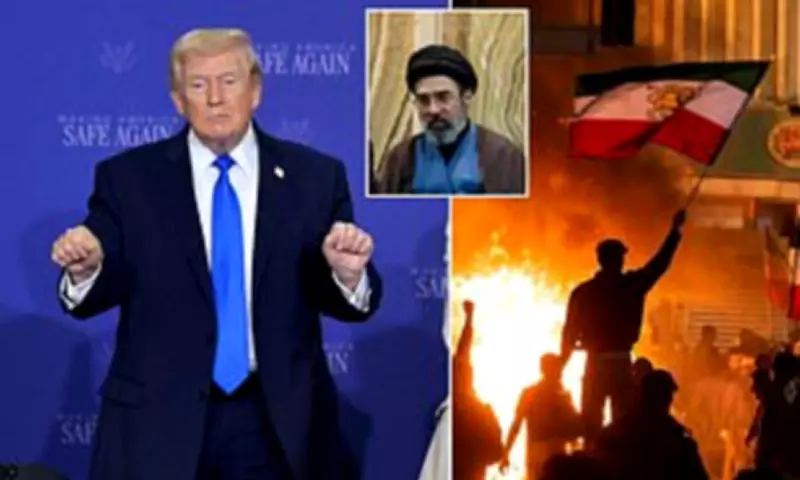
Iranians are reacting with fury and terror after former US President Donald Trump suggested a diplomatic resolution to the ongoing conflict with Iran, a scenario many civilians describe as a "worst-case" outcome that could solidify the regime's grip on power.
Conflicting Narratives Spark Outrage
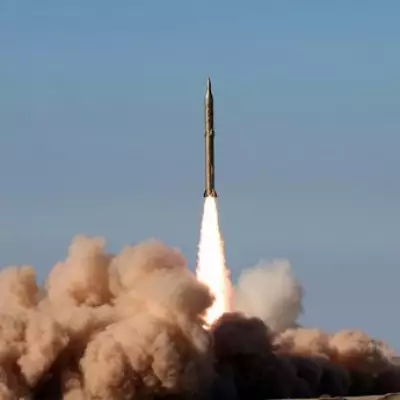
Trump claimed on Monday that the United States is halting punitive strikes on Iran's energy infrastructure following what he called "very good" peace talks with Tehran. However, in a stunning rebuke, Iranian officials flatly denied that any such negotiations are taking place and taunted Trump, vowing to continue attacks on American bases and allies.
This clash of narratives has ignited widespread outrage among Iranians both inside the country and abroad. Many fear that Trump's sudden pivot to diplomacy could erase the hard-won progress made against Iran's weakened leadership, leaving the Islamic regime intact.

De-escalatory Statements and Joint Control Proposal
Trump made multiple de-escalatory statements, notably suggesting that he and Iran's leader could share authority over the strategically vital Strait of Hormuz. He asserted that the waterway, which handles approximately 20 percent of global energy supplies, would be "jointly controlled" by "me and the Ayatollah, whoever the Ayatollah is."
For everyday Iranians, the prospect of the regime surviving the conflict is nothing short of a nightmare. "The war is less scary than the possibility of negotiations," one young Iranian told the Daily Mail, capturing a sentiment echoed by many.
Citizens View Armed Conflict as Only Viable Path
Despite the regime appearing to be "falling apart," many Iranians believe the US has "not achieved its goal" and that "lots of money has been spent on this war." One Tehran resident explained that after 47 years of failed civil disobedience, citizens now see armed conflict as the only viable path forward.
"They are pro-war because they know there is no other option. There can be no revolution without weapons," the resident said, adding that the Iranian army is "corrupted to its core."
Trump's Rhetoric Seen as Political Theater
Many locals interpret Trump's comments as classic political theater, aimed more at influencing global markets than engaging in genuine diplomacy. "Trump being Trump. That is it. They know IRGC must be gone," one resident said, referring to the Islamic Revolutionary Guard Corps.
Another Iranian local agreed, stating, "I believe Trump is being strategic with his words to manage the oil prices. He knows until these guys are in charge, there will always be the threat of a nuclear bomb."
Dire Living Conditions and Infrastructure Fears
The fear of infrastructure strikes exacerbating already dire living conditions is palpable across Iran. One resident recalled the panic that set in over the weekend regarding potential large-scale attacks that could make life for millions even more difficult, pointing to the country's frequent summer water and electricity outages.
However, they ultimately dismissed Trump's rhetoric as a geopolitical maneuver. "I think it's more of a threat aimed at Europe, to push for greater cooperation with Trump regarding the issue of the Kharg Strait," the resident speculated.
Unpredictable Strategy and Mysterious Leadership
Iranians are learning that Trump's mercurial nature makes it difficult to decipher his strategy. "Trump is still an unpredictable character to me," a young woman in Tehran confessed. "I think we, as a nation, aren't the intended audience for everything Trump says, and that makes it extremely difficult to analyze."
Meanwhile, the Iranian leadership remains shrouded in mystery. Several Iranians revealed they haven't seen the new Supreme Leader, Mojtaba Khamenei, in person since he was chosen to replace his father. "No footage, not his voice, nothing," one Iranian disclosed.
Diaspora and Domestic Pleas for Regime Change
The overarching sentiment among the diaspora and those trapped inside the country is unequivocal: the regime must be completely eradicated. One Iranian with family in Isfahan expressed a desperate plea: "I hope that they don't end the war without regime change. The whole point of the war for Iranians was regime change."

Another Iranian voiced deep frustration with European nations for failing to cooperate with the US, stating, "The regime is a global threat ... How is there not a global coalition against them, I don't get it." She argued that international hatred for Trump is blinding leaders to the grim reality on the ground, where "annihilation of the regime is critical."
Personal Fears and Family Concerns
The human cost of the conflict is starkly evident in personal stories. One Iranian in the Washington D.C. area managed a brief, two-minute international phone call with his widowed mother, who admitted she was "worried about the war in Iran." When he urged her to leave her home and stay with her children, she simply replied, "Trump said we shouldn't move from our homes," highlighting the confusing and often contradictory information circulating.
As tensions persist, the collective dread among Iranians is that diplomacy might offer the regime a lifeline, perpetuating the very system they have sacrificed so much to overthrow.