
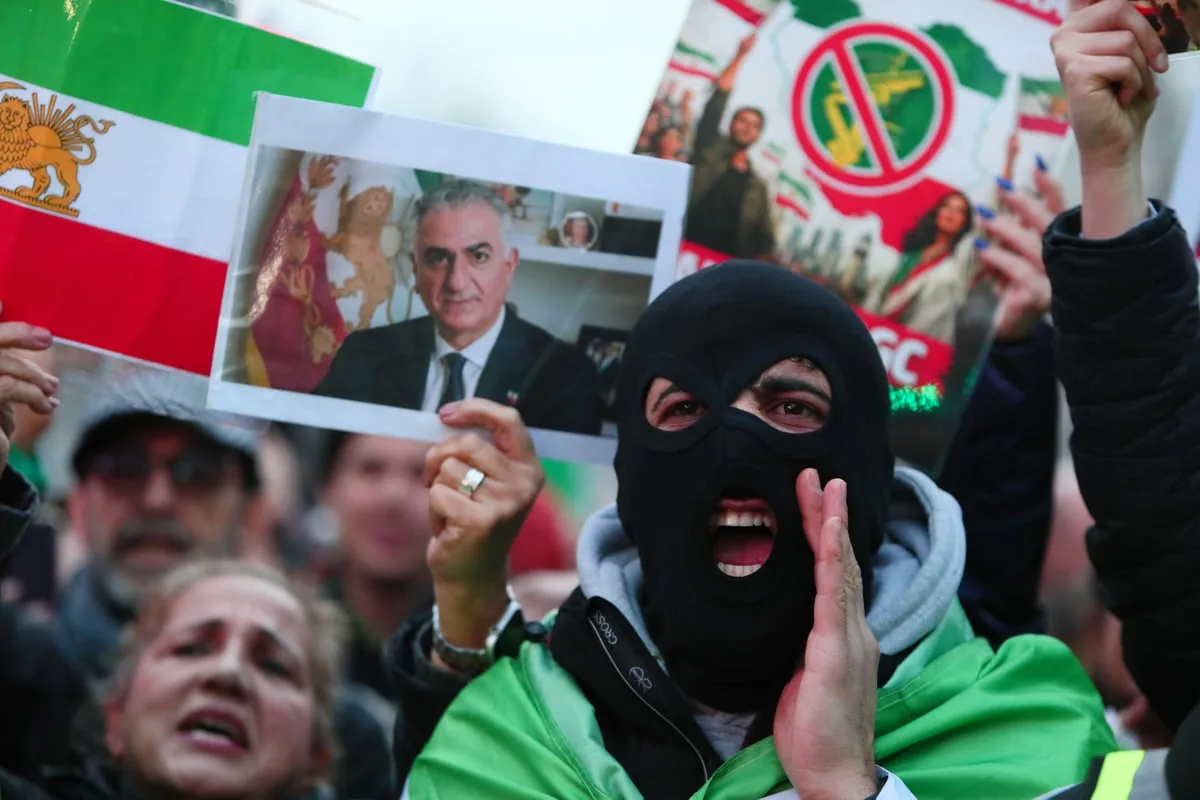
Iranian activists living in London say they are increasingly targeted by threats linked to the Iranian regime, as anti-government protests intensify both in Iran and outside key sites in the UK capital. Ellie Borhan, an activist who fled Iran 20 years ago, told the BBC she no longer feels safe in London after receiving waves of threatening messages via WhatsApp and Instagram, which referred to her location, daily routines, and people close to her. The messages began in 2022 and have extended to her supporters.
Borhan is not alone. Other members of the Iranian diaspora report online harassment, physical confrontations, and surveillance. The Metropolitan Police say they have been dealing with Iran-linked threats against individuals and Persian-language media outlets for years, including several disrupted plots. Security Minister Dan Jarvis has warned that the threat is not only physical but also cyber, with the National Cyber Security Centre identifying malicious cyber activity linked to Iranian state actors.
Tensions have escalated since sustained anti-regime demonstrations began outside Westminster, Downing Street, and the Iranian Embassy. Protesters say the growing visibility of the movement has been met with increased intimidation, especially since the escalation of the Israel-US conflict with Iran in February. Some demonstrators have been photographed or followed, and police have advised activists to vary their routines.
Critics point to the Islamic Revolutionary Guard Corps (IRGC) as a key instrument of suppression, accused of involvement in deaths and mass detentions of protesters. Members of the diaspora fear individuals linked to the IRGC or regime sympathisers. Rashad Ali, a counter-terrorism expert at the Institute for Strategic Dialogue, said: 'There is a real threat facing them and their families... There have been Iranians intimidated by the regime in London, threatened and coerced into silence or support, with threats to their families in Iran.' He noted that UK intelligence has spoken of over 20 plots.




