Iran War's Major Unanswered Questions: New Leader, Oil Prices, and Duration
Big questions continue to loom over the Iran war as it barrels into its second week of intense fighting. The conflict, which began with U.S. and Israeli strikes on February 28, shows no immediate signs of abating, leaving analysts and global markets grappling with profound uncertainties.
How Long Will the Conflict Persist?
Israel and the United States maintain relentless military pressure on Iran, while Tehran retaliates with attacks against Israeli targets, U.S. assets in the Middle East, and neighbouring Arab states. The war's duration hinges partly on Iran's substantial stockpile of missiles and drones, and the defensive capabilities of opposing nations to intercept them.
Israeli military spokesperson Lieutenant Colonel Nadav Shoshani noted that Iran retains "a significant amount" of missiles, potentially holding reserves to exhaust interceptor systems. Israel estimates that approximately 60% of Iran's long-range and short-range missile launchers have been destroyed, but the fighting continues unabated.

Tehran's New Supreme Leader: A Hardline Enigma
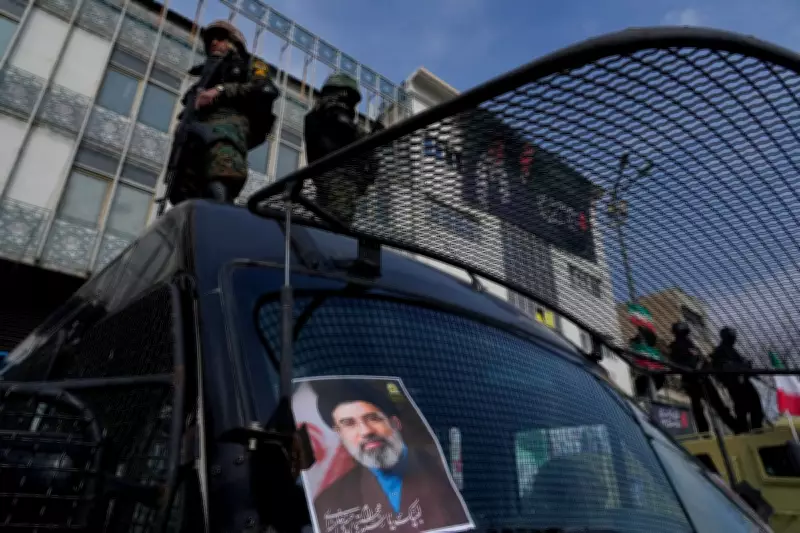
Mojtaba Khamenei, son of the previous supreme leader killed in the war's opening strikes along with his wife, has assumed leadership. Seen as more hardline with close ties to Iran's Revolutionary Guard, he has remained publicly silent since taking office, creating uncertainty about his willingness to engage in negotiations or pursue defiance.
Iran's strategy of regional disruption shows no change, with attacks extending to oil facilities and airports far from direct military targets. The absence of public appearances or statements from the new leader complicates assessments of Tehran's intentions and potential diplomatic openings.
Military Buildup and Strategic Objectives
Israel's military reports receiving approximately 50 cargo aircraft carrying over 1,000 tons of weaponry and equipment in the past ten days, with support from the United States and Germany expected to increase. The U.S. Central Command asserts there is "no shortage of American military will," having assembled its largest Middle Eastern force in decades.
Conflicting statements emerge regarding war aims. While Iran seeks an end to hostilities rather than a ceasefire, an anonymous official suggests Israel's goal involves regime change to allow Iranians to "grasp their fate." U.S. President Donald Trump has both denied seeking regime change and prioritized eliminating layers of Iranian leadership.
Regional Dynamics and International Involvement
Saudi Arabia issued sharp warnings that Tehran would be the "biggest loser" if attacks on Arab states continue, while Azerbaijan threatened retaliatory measures after reported Iranian drone strikes. No nation has formally joined U.S. and Israeli military actions, though France deploys vessels to deter Iranian attacks, with Britain and Germany pledging support to reduce Tehran's offensive capabilities.
Ukraine contributes drone-countering expertise, highlighting the conflict's international dimensions. Iran's targeting of critical infrastructure, including a desalination plant in Bahrain, exposes regional vulnerabilities and economic fragility.
Oil Price Volatility and Global Economic Impact
Crude oil prices soared above $100 per barrel following the announcement of Iran's new supreme leader, briefly spiking near $120 before moderating. The Strait of Hormuz, through which approximately 20% of global oil supply normally transits daily, experiences significant shipping backups.
Saudi Arabia intercepted attacks targeting its Shaybah oil field, while Bahrain's national oil company declared force majeure after refinery attacks. Iraq, Kuwait, and the United Arab Emirates reduced production as storage capacities fill. Israel struck Iranian oil depots over the weekend, exacerbating supply concerns.
International responses include France suggesting G7 nations might tap emergency stockpiles, South Korea planning price caps, and China urging collective responsibility for stable energy supplies. Market analyst Alex Kuptsikevich of FxPro suggests oil prices could briefly exceed $150 per barrel as early as next week.

Prospects for Resolution and Lasting Consequences
The path to ending hostilities appears particularly complex, with both Israel and the United States threatening any Iranian leadership. Trust remains scarce given that this conflict and last year's hostilities erupted during indirect U.S.-Iran talks. Public frustration over rising oil prices and economic strain may increase pressure to wind down fighting, but no clear resolution mechanism has emerged.
As the war enters its third week, these unanswered questions continue to shape military strategies, diplomatic efforts, and global economic stability, with implications extending far beyond the immediate battlefield.