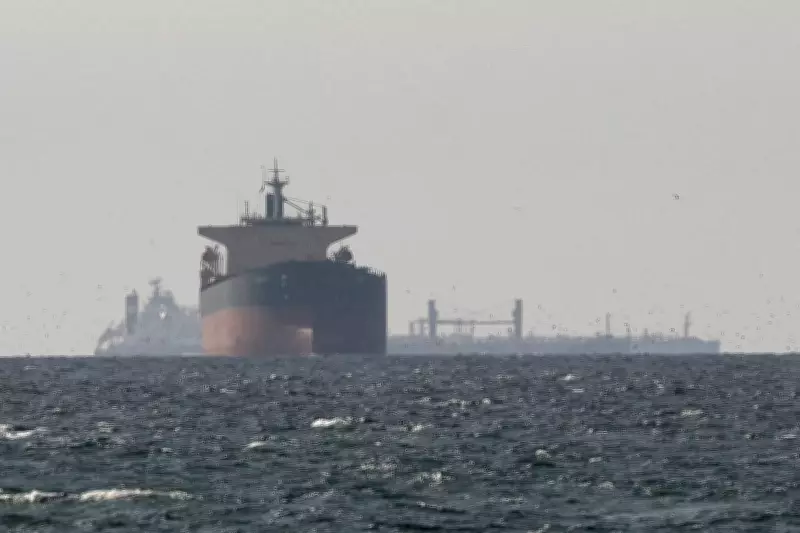
In a dramatic escalation of geopolitical tensions, Iran has issued a stark warning to the United States, threatening to completely close the Strait of Hormuz if former President Donald Trump follows through on his ultimatum to destroy Iranian power plants. This critical waterway, through which approximately one-fifth of the world's oil and liquefied natural gas transits, has become the focal point of a rapidly intensifying standoff between the two nations.
Trump's Ultimatum and Iran's Response
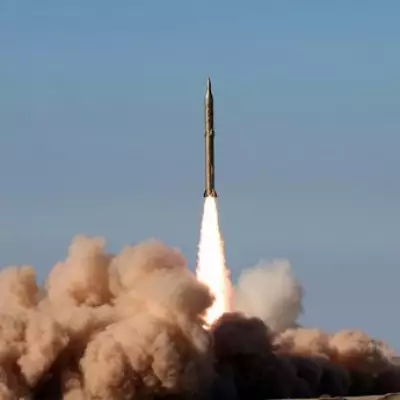
Donald Trump, who has stated he is 'winding down' war efforts, delivered a 48-hour ultimatum to Iran, demanding the full reopening of the Strait of Hormuz and threatening to target Iranian power plants if compliance is not met. In response, Iran's Revolutionary Guards declared that the Strait would be 'completely closed' should the U.S. act on this threat, highlighting the severe repercussions for global energy markets.
Iranian Leadership's Stance
Iranian President Masoud Pezeshkian clarified that the key shipping route remains open to all vessels, except those violating Iranian territory, underscoring a defensive posture. Meanwhile, Mohammad Bagher Ghalibaf, the speaker of the Iranian parliament, issued a dire warning, stating that regional energy infrastructure would be 'irreversibly destroyed' if Iran's own facilities come under attack, signaling a potential for widespread collateral damage.

Implications for Global Energy Security
The Strait of Hormuz is a linchpin in international oil and gas transportation, with its closure posing significant risks to global energy security and economic stability. This confrontation underscores the fragile nature of maritime chokepoints and the broader implications for diplomatic relations in the Middle East.
As tensions mount, the international community watches closely, with fears that any military action could trigger a broader conflict, disrupting vital supply chains and escalating regional instability. The situation remains fluid, with both sides appearing entrenched in their positions, raising concerns over potential miscalculations that could lead to severe consequences.