Iran Issues Stark Warning to Europe Over Silence on US-Israeli Attacks
Iran has delivered a severe warning to European nations, stating the bloc will 'pay the price' for remaining silent about ongoing US-Israeli military actions against Iranian targets. The warning comes as fighting between the United States, Israel, and Iran enters its sixth consecutive day, with multiple countries across the region suffering relentless attacks and mounting casualties.
European Silence Equals Approval, Says Iranian Spokesman
Speaking on Spanish broadcaster TVE, Iran's Foreign Ministry spokesman Esmaeil Baghaei strongly criticised what he described as a lack of meaningful response from European nations. Baghaei argued that their collective silence effectively amounts to approval of the military actions taken by America and Israel, which Iran considers to be clear violations of international law.
'EU countries will pay the price, sooner or later,' Baghaei declared, emphasising that Iran views the ongoing attacks as unlawful aggression that demands international condemnation.
Escalating Conflict Across Multiple Fronts
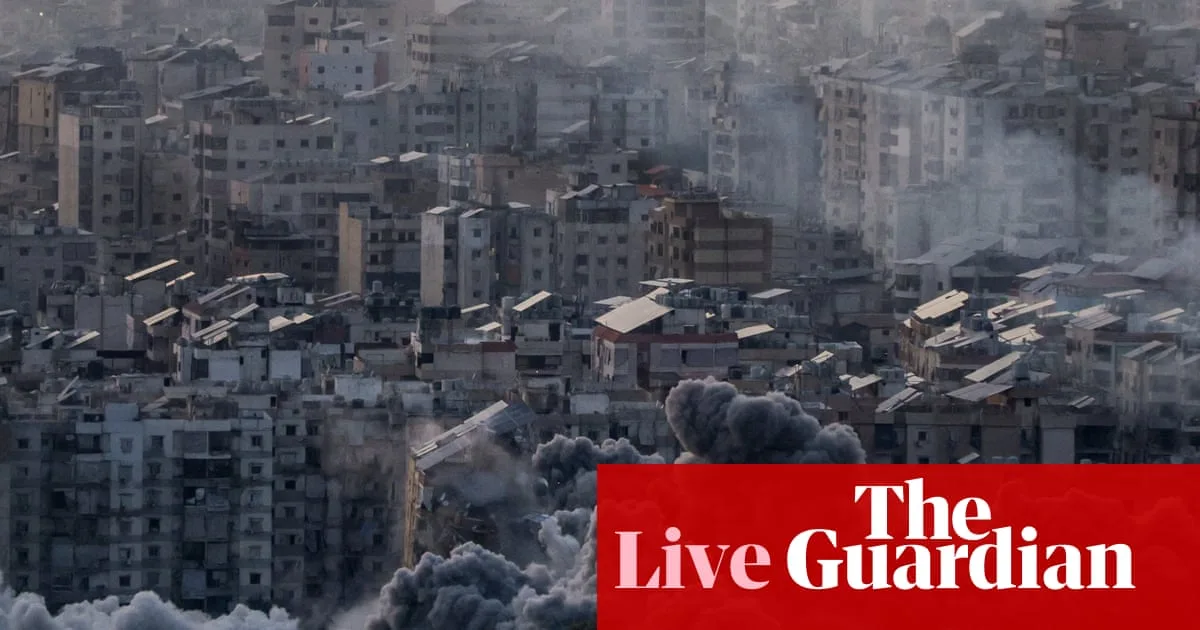
The warning coincides with significant military escalation across the Middle East. Overnight, Israel and Iran exchanged fresh attacks, with Iran's army claiming to have launched several long-range Arash attack drones that struck fuel tanks at Israel's Ramat David Airbase. Meanwhile, Israeli strikes near Lebanon's capital Beirut reportedly killed eight people and injured six others, with Lebanese media indicating attacks hit a road leading to Beirut-Rafik Hariri International Airport.
This morning witnessed further incidents:
- A tanker sailing off Kuwait's coast was rocked by a 'large explosion'
- Several drones hit a terminal building at Azerbaijan's Nakhchivan International Airport
- Another drone landed near a school building in Shakarabad village, injuring two people
Azerbaijan has blamed Iran for these attacks, while Iran denies responsibility and instead points to Israel.
Gulf Nations Bear Brunt of Attacks
Countries across the Gulf region have been particularly affected by the escalating conflict. Qatar experienced another missile attack this morning, while Bahrain reported continuing to 'confront successive waves of heinous Iranian terrorist attacks' and urged residents to remain at home unless travel is absolutely essential.
The United Arab Emirates revealed it was struck by a ballistic missile as Iran fired a barrage of 131 suicide drones toward Dubai. The UAE defence ministry confirmed six drones fell inside the emirate while it intercepted and destroyed six missiles in the latest salvo from Tehran. In Abu Dhabi, six people were injured by falling debris when drones were intercepted by air defence systems.
Mounting Casualty Figures
Iran has reported at least 1,230 people killed since Saturday, while Israel said 11 people died after a strike on Beit Shemesh. The conflict has claimed six American service members, and the death toll in Lebanon has reached at least 77 people, highlighting the human cost of the expanding military confrontation.
European Naval Response to Protect Cyprus
As the conflict intensifies, European nations are mobilising naval forces to protect Cyprus. Spain has announced it will join France, Italy, and the Netherlands in sending its navy to the region, including areas around British military bases. Madrid confirmed the frigate Cristobal Colon would join a growing international armada in the Eastern Mediterranean to 'offer protection and aerial defence' and 'support any evacuation of civilians' from the island.
This decision follows Sunday's incident when RAF Akrotiri in Cyprus was hit by an Iranian drone fired from Lebanon, raising significant concerns about local air defence capabilities. Although officials described the damage as minor, it was later revealed the drone struck a hangar used by the United States for U2 spy planes conducting high-altitude reconnaissance missions.
British Response Under Scrutiny
The European naval mobilisation has intensified criticism of the British government's response to the Middle East crisis. After France agreed to send frigates to protect Cyprus, British Prime Minister Sir Keir Starmer ordered Type 45 air defence destroyer HMS Dragon to sail to the region. However, the vessel will not be ready to depart from Portsmouth until next week, having been disarmed for planned maintenance, and could take an additional week to reach the conflict zone.
Former senior officer General Sir Richard Barrons warned that Britain has been diminished in the eyes of its allies through its unwillingness to join attacks on Iran or adequately defend its regional interests. Barrons suggested Britain's relationship with the United States would be strained because the UK had 'not turned up when they asked in the way that they asked.'
While the UK has refused to join the assault on Tehran, Sir Keir has permitted the United States to use British bases for defensive operations. Opposition leader Kemi Badenoch has argued that Britain should take offensive action against Iran following attacks on UK bases, stating: 'If your principle is, we will only wait until we are attacked rather than dealing with imminent threats properly, then we will be in a lot of trouble.'
Civilian Evacuations and Travel Disruption
Civilians from European Union countries and the United Kingdom have been scrambling to evacuate the Middle East, with the first flights carrying European nationals arriving back in Europe. Spanish citizens were flown out of Oman on a military repatriation flight overnight, while a Lufthansa flight from Muscat operating as the German government's first evacuation service landed at Frankfurt Airport.
However, British nationals endured a chaotic ordeal when the first UK government-chartered flight from Oman failed to take off as scheduled. Passengers reported panic attacks and described the situation as a 'total s***show' as they remained stranded on the tarmac. The Foreign Office attributed the delay to technical issues, with the flight eventually departing on Thursday and landing at London Heathrow this morning.
Meanwhile, thousands of cruise ship passengers remain trapped in Gulf ports due to Iran's blockade of the Strait of Hormuz. The passengers and crews are unable to leave ships that have effectively become floating hotels after escalating hostilities raised serious safety concerns in one of the world's most vital shipping lanes. At least six ships from major companies are currently at a standstill, awaiting news about when they can safely depart.
This maritime disruption follows Iran's vow to bring chaos by closing the Strait of Hormuz and 'burning every ship' attempting to pass through the critical waterway, further escalating tensions in an already volatile region.