Iran Conflict Intensifies Pressure on Ukraine as Russia Plans New Offensives
With U.S.-brokered Ukraine peace talks currently on hold due to the ongoing war in the Middle East, Russian President Vladimir Putin is anticipated to attempt expanding his military gains through new offensives against his southern neighbour. This strategic move is expected to place even greater pressure on Kyiv, exacerbating an already volatile situation.
Western Support and Divisions
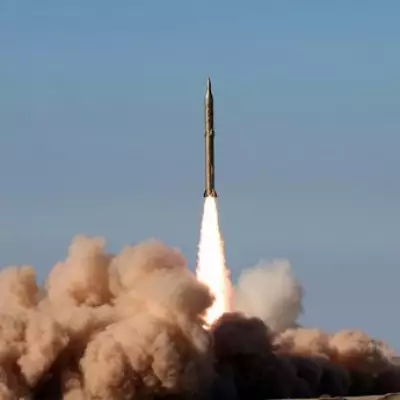
Windfall revenues from surging global oil prices are significantly bolstering Moscow's war coffers. Concurrently, U.S. air defence assets are being rapidly depleted by Iranian attacks across the Gulf, raising serious concerns that little will remain available for Ukraine in the fifth year of Russia's full-scale invasion.
Ukraine's European allies have pledged to maintain their steadfast support. However, internal bickering over a major 90 billion euro European Union loan, intended to cover Kyiv's military and economic needs for two years, reflects the mounting challenges in sustaining unified assistance.

The refusal by NATO allies to commit naval assets to help restore tanker traffic through the strategically vital Strait of Hormuz has drawn an angry rebuke from President Donald Trump. This highlights another emerging fault line fraught with potential repercussions for Ukraine's defensive capabilities.
Ukrainian Diplomacy and Military Strategy
Ukrainian President Volodymyr Zelenskyy has sought to hold Washington's attention by offering its hard-earned expertise in defending against Iranian Shahed drones, dispatching over 200 military experts to the Gulf region. Trump, however, has publicly shrugged off Zelenskyy's offer of help, asserting that the U.S. does not require Kyiv's assistance.
As new signs of a rift emerge within Western alliances, Putin and his generals are actively pondering plans for the spring and summer campaign across the extensive 1,200-kilometer front line. Analysts observe that Moscow has been systematically building up reserves, with operations expected to gain tempo as the spring warmth dries the terrain, facilitating movement.
The Washington-based Institute for the Study of War has noted that Russian troops have intensified artillery barrages and drone attacks, aiming to weaken Ukrainian defences ahead of anticipated ground assaults. A possible new push from Russia appears focused on claiming the remaining part of the eastern Donetsk region under Ukrainian control, alongside potential offensives in several other sectors.
Battlefield Dynamics and Attrition
Ukraine has sought to derail the Kremlin's plans by launching counterattacks in the Dnipropetrovsk and Zaporizhzhia regions. Here, Russian forces have attempted to carve out bridgeheads with the aim of advancing toward key regional capitals, which are vital industrial hubs.
The ISW's recent battlefield assessment suggests that Ukraine's successful retaliation in the Dnipropetrovsk region will likely continue to force Russia into a difficult choice: defending against Ukrainian counterattacks or allocating critical manpower and materiel for offensive operations elsewhere on the front. This dynamic could potentially spoil the anticipated Russian offensive.
The assessment also highlighted that Ukrainian forces have escalated their midrange strikes against Russian logistics, military equipment, and manpower in an effort to disrupt the expected offensive. However, Russian war bloggers caution that Moscow would need to bolster its forces drastically to conduct any major offensive, presenting significant challenges for the Kremlin.
Military Recruitment and Tactical Shifts
Following the widely unpopular "partial mobilization" of 300,000 reservists early in the war, which prompted hundreds of thousands to flee the country, the Russian military has altered its recruitment tactics. It now relies more heavily on volunteers and foreign fighters attracted by reasonably high wages and other benefits.

Putin has stated that Russia has approximately 700,000 troops fighting in Ukraine, a figure reportedly similar to Ukraine's own troop strength. The nature of the conflict has also evolved. After initial quick maneuvers by tanks and mechanized infantry in 2022, the fighting has morphed into a grueling war of attrition, characterized by small groups of soldiers engaged in grinding, house-to-house battles in the ruined towns of eastern Ukraine. The ubiquitous presence of drones has severely restricted the concentration of troops for any large-scale movements.
Russia continues to rely on long-range missiles and drones to pummel Ukraine's energy facilities and other critical infrastructure. Analyst Jack Watling of the Royal United Services Institute noted that for the past year, Russia has been able to infiltrate and undermine Ukrainian defensive positions due to the "growing lethality" of Moscow's attacks and Kyiv's dwindling troop strength.
"Russia is likely able to maintain its current rate of recruitment, despite the punishing rate of casualties inflicted by Ukraine," he added. As part of its preparation for new offensives, Russia has increasingly sought to enlist students into its newly formed Drone Forces, offering relatively high pay and deployment at a safer distance from the front lines.
Diplomatic Stalemate and Political Posturing
U.S. Director of National Intelligence Tulsi Gabbard told the Senate Intelligence Committee that "Russia has maintained the upper hand in the war against Ukraine." She indicated that U.S.-led talks between Ukraine and Russia are ongoing but noted that until an agreement is reached, Moscow is likely to continue fighting a slow war of attrition until it views its objectives as achieved.
Several rounds of negotiations have produced no visible breakthrough, with the parties remaining sharply divided on key issues. Putin demands Ukraine withdraw its forces from the four regions Russia has illegally annexed, renounce its NATO bid, sharply cut its army, and drop restrictions against the Russian language and the Moscow-affiliated Orthodox Church—demands Zelenskyy has firmly rejected.
Zelenskyy has called for a ceasefire, U.S.-backed security guarantees to prevent future invasions, and has rejected all claims over Ukrainian territory. Kyiv's European allies accuse Moscow of deliberately dragging out talks to make more military gains and insist that Europe must be present at any negotiations, a condition Russia has rejected.
Kremlin spokesman Dmitry Peskov stated this week that while there have been signals from Europeans wanting a place at the negotiating table, "we don't consider it necessary or expedient." Moscow says it will not allow European troops to monitor a prospective ceasefire and will view them as legitimate targets.
Professor Sam Greene of King's College London commented that Moscow's strategy is obvious: "engaging with Washington just enough to prevent Ukraine from getting what it needed to shift the balance on the ground, and just enough to keep the Europeans at bay, but not enough to make real progress."
Trump's Stance and Regional Implications
The U.S. has granted Moscow a temporary waiver from oil sanctions, allowing sales of Russian crude already at sea—a move that has dismayed Kyiv and European allies. Additionally, President Trump has publicly cast Zelenskyy as an obstacle to peace. "He has to get on the ball, and he has to get a deal done," Trump said of the Ukrainian leader earlier this month.
In an interview, Trump suggested that while Putin was ready for a deal, "it's much harder to reach a deal with Zelenskyy." He also rebuffed Zelenskyy's proposal to assist with drone defence in the Gulf, stating, "No, we don't need their help on drone defence."
Zelenskyy, who has adopted a more practical public stance with Trump following a contentious White House meeting in February 2025, has expressed growing concern that the Iran war could severely hurt Ukraine. He told the BBC he had a "very bad feeling" about the impact of the Middle East conflict on the war in Ukraine, noting that peace negotiations are being "constantly postponed" while Russia profits from high oil prices and Ukraine faces a potential deficit of U.S.-made Patriot missiles.