Iran Promises Forceful Retaliation as Trump Issues Nuclear Deadline Warning
Iran has vowed a "crushing response" to any potential military attack, following stark warnings from former US President Donald Trump that time is rapidly expiring for negotiations over Tehran's nuclear programme. The escalating rhetoric has plunged diplomatic relations between Washington and Tehran into a state of heightened crisis, with regional actors expressing grave concerns about the potential for conflict.
Exchange of Threats and Military Posturing
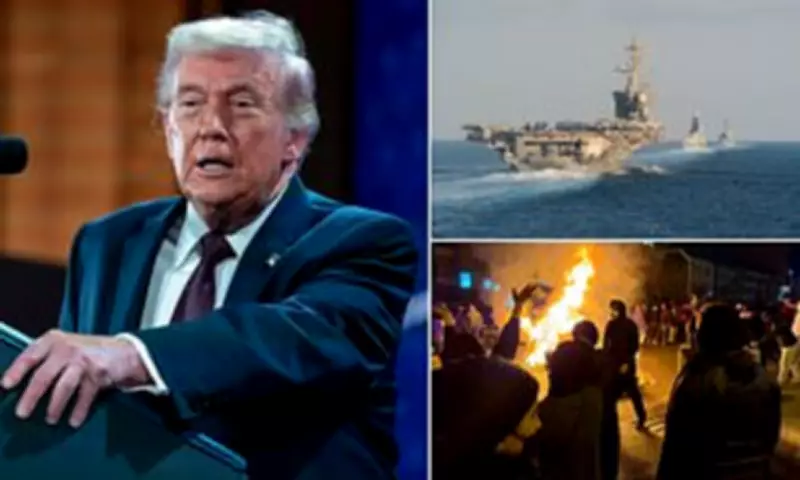
The current standoff intensified after a wave of anti-government protests in Iran prompted Trump to threaten military intervention, accusing Tehran of orchestrating a violent crackdown. Iranian authorities have consistently blamed the United States for instigating what they describe as "riots". This mutual recrimination has created diplomatic shockwaves across the Middle East, prompting urgent calls for dialogue to defuse the mounting tensions.
Iranian military officials have significantly amplified their warnings in recent days. Army chief Amir Hatami explicitly promised a devastating retaliation against any assault, with state television reporting that 1,000 strategic drones have been integrated into combat regiments. Concurrently, a US naval strike group has positioned itself in Middle Eastern waters, with Trump declaring the forces "ready, willing and able" to strike Iran if deemed necessary.

Regional Warnings and Unpredictable Consequences
Senior Hezbollah official Nawaf al-Moussawi issued a chilling caution, suggesting that American military action could "trigger a volcano in the region" with unpredictable aftermath. When questioned about whether the Lebanese group, which receives backing from Tehran, would support Iran in the event of a US attack, al-Moussawi responded evasively, stating they would "cross that bridge when we get to it."
Trump reinforced the pressure on Wednesday, declaring that "time is running out" for Iran to secure a deal regarding its nuclear activities, which Western nations suspect is aimed at developing atomic weapons. Options reportedly under consideration by Trump's administration include targeted strikes on Iranian security forces and leadership figures, potentially intended to inspire protesters to overwhelm government buildings.
Internal Iranian Dynamics and Protest Toll
The confrontation unfolds against a backdrop of significant internal unrest in Iran. According to the US-based Human Rights Activists News Agency, the protest crackdown has resulted in 6,373 confirmed deaths and over 40,000 arrests, with internet restrictions persisting for weeks. Iranian authorities acknowledge thousands of fatalities but claim the majority were security personnel or bystanders killed by rioters.
Supreme Leader Ayatollah Ali Khamenei, who retains ultimate authority over military and nuclear strategy, has publicly acknowledged several thousand deaths, blaming the unrest on the United States, Israel, and domestic "seditionists". At 86, Khamenei has reduced his public appearances, with day-to-day governance increasingly handled by figures aligned with the powerful Islamic Revolutionary Guard Corps.
Diplomatic Channels and International Reactions
A senior Iranian official revealed that Tehran is "preparing itself for a military confrontation, while at the same time making use of diplomatic channels." Iran's mission to the United Nations stated readiness for dialogue "based on mutual respect and interests" but promised to defend itself "like never before" if provoked.
International concern is palpable. Gulf states hosting US military bases have called for calm, with one official warning that a strike would "bring the region into chaos" and cause oil and gas prices to skyrocket. Turkey has offered to mediate, while Russia cautioned that "any use of force can only create chaos" with dangerous consequences. Meanwhile, the European Union is poised to designate Iran's Revolutionary Guards as a terrorist organisation in response to the protest crackdown, a move Tehran warns will have "destructive consequences."

The situation remains perilously balanced between diplomatic overtures and military brinkmanship, with the potential for miscalculation threatening to ignite a broader regional conflict.