Iran-US Talks Scheduled for Friday in Oman as Tensions Simmer
High-level diplomatic talks between Iran and the United States are set to take place this Friday in Oman, according to multiple reports from Iranian media outlets. The planned negotiations come at a moment of significantly heightened tensions between the two nations, following a series of provocative military incidents and a severe government crackdown on domestic protests within Iran.
Oman to Host Critical Dialogue
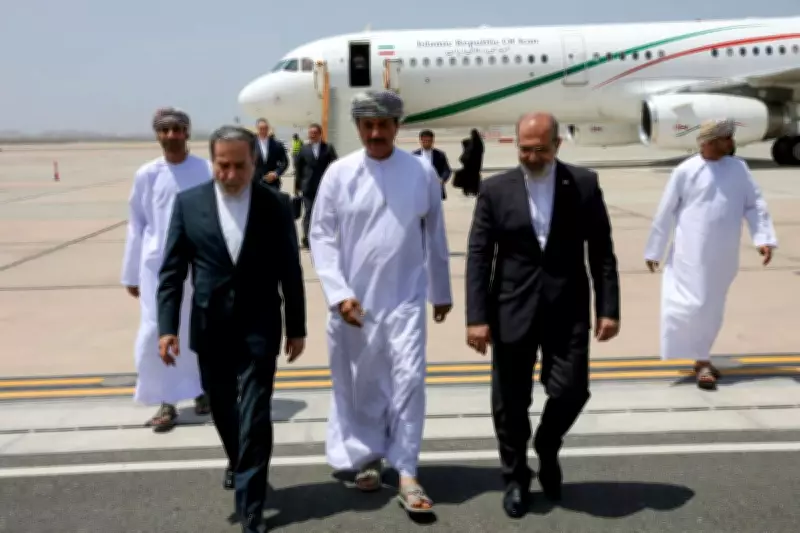
The semiofficial ISNA and Tasnim news agencies, along with the Student News Network, confirmed on Wednesday that the Sultanate of Oman will serve as the host for the forthcoming discussions. While Omani officials have not yet provided immediate confirmation, the country has a well-established history of facilitating previous rounds of nuclear negotiations between Tehran and Washington.
The White House has not formally acknowledged the Omani venue but indicated that it anticipates negotiations will proceed. This expectation persists despite a recent escalation in military posturing, including a U.S. Navy fighter jet shooting down an Iranian drone near an American aircraft carrier and an attempt by Iranian Revolutionary Guard fast boats to intercept a U.S.-flagged vessel in the strategic Strait of Hormuz.

Domestic Crackdown Casts a Long Shadow
The diplomatic overtures unfold against a grim domestic backdrop in Iran. Activists, citing data from the U.S.-based Human Rights Activists News Agency, report that the government's crackdown on nationwide protests last month has resulted in the arrest of at least 50,834 individuals. The same source indicates the death toll from the suppression has reached a minimum of 6,876 people, with fears that the actual number may be substantially higher. A sweeping internet shutdown within Iran has made independent verification of these figures exceptionally challenging for international observers.
A Shift in Tehran's Stance
The move towards dialogue represents a notable strategic shift for the Iranian leadership. Reformist President Masoud Pezeshkian publicly instructed the country's foreign minister to pursue "fair and equitable negotiations" with the United States, marking the first clear signal from Tehran of a willingness to engage. Analysts suggest this shift likely indicates the support of Supreme Leader Ayatollah Ali Khamenei, who holds ultimate authority over state matters and had previously dismissed the prospect of negotiations.
Military Readiness and Diplomatic Wills
Concurrently, Iranian military chiefs visited a missile base on Wednesday, showcasing the Khorramshahr missile—a weapon with a range exceeding 2,000 kilometres that was launched toward Israel during a recent conflict. The televised display is widely interpreted as a demonstration of military readiness amid the delicate diplomatic manoeuvring.
White House Press Secretary Karoline Leavitt emphasised that U.S. Special Envoy Steve Witkoff has been planning for talks, originally anticipated in Turkey. She reiterated President Donald Trump's preference for diplomacy while acknowledging the challenges, stating, "It takes two to tango. You need a willing partner to achieve diplomacy." President Trump has simultaneously suggested the potential use of force in response to Iran's crackdown and continues to push for a deal to constrain Tehran's nuclear programme.
The incidents of the past week have undoubtedly strained bilateral relations, but they have not, it appears, completely extinguished the fragile hope for a diplomatic path forward. All eyes will now be on Oman this Friday as these critical talks commence.